REVIEW · HUE VIETNAM
Hue: Imperial City, Royal Tombs, Pagoda & Dragon Boat Tour
Book on GetYourGuide →Operated by Adventure Journey Vietnam · Bookable on GetYourGuide
Hue’s royal sights feel personal. This tour strings together the Imperial City, Thien Mu Pagoda, and the dragon-boat stretch on the Perfume River for a day that’s part walking, part easy glide. I especially like how the experience can be guided or self-paced, depending on the option you choose, and how an English-speaking driver helps you get around without friction. The main catch is that Imperial City entry isn’t included, so you’ll want to plan for tickets and the extra walking.
I also like the tomb sequence: Minh Mang, Tu Duc, and Khai Dinh each show a different angle of how the Nguyen emperors imagined power after death. If you’re the type who enjoys learning how court life worked—wives, concubines, eunuchs, and the everyday logic of royal planning—this route gives you plenty to talk about. One consideration: you’ll cover several sites in one half-to-full day, so wear comfy shoes and bring water, because Hue can feel warm and humid.
Adventure Journey Vietnam runs this with a private car and private dragon boat, plus optional English guidance. If you end up with a guide like Linh (mentioned in past bookings), you can expect patient explanations on what you’re seeing—not just names and dates. And if your driver is the friendly type like Hung (also mentioned), the transfer between stops feels smooth rather than rushed.
In This Review
- Key Takeaways Before You Go
- Hue’s Imperial City Walk: Where Power Looked Like Architecture
- Thien Mu Pagoda: Hue’s Oldest Pagoda and Its Story
- The Private Dragon Boat on the Perfume River: A Calm Reset
- Perfume River Time Plus Photo Stops: Easy Sightseeing Moments
- Minh Mang Tomb: The Emperor’s Afterlife as a Working World
- Tu Duc Tomb: A Ruler Who Designed His Own Escape
- Khai Dinh Tomb: Where Oriental Meets European Style
- How the Private Setup Affects Your Day (And Your Photos)
- Value and Price: What $16 Really Buys (And What You Still Need to Budget)
- Who This Tour Fits Best
- Should You Book This Hue Royal City and Tomb Tour?
- FAQ
- Is Imperial City entry included in the tour price?
- Do I need to choose between a driver and an English guide?
- How long is the experience?
- What’s included for the river portion?
- Where do you pick me up in Hue?
- Is food and drinks included?
Key Takeaways Before You Go
- You control the pacing with a private car and built-in self-guided time
- Imperial City walking is the real work-out, but it’s also the most rewarding part
- Thien Mu Pagoda gives you Hue’s spiritual landmark in a single stop (and great views)
- A private dragon boat on the Perfume River is a relaxing break from temples and tombs
- Each emperor’s tomb tells a different afterlife plan, especially Minh Mang vs Tu Duc vs Khai Dinh
- English support helps a lot—even the driver can be a big part of the experience
Hue’s Imperial City Walk: Where Power Looked Like Architecture
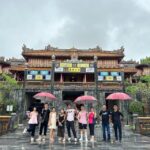
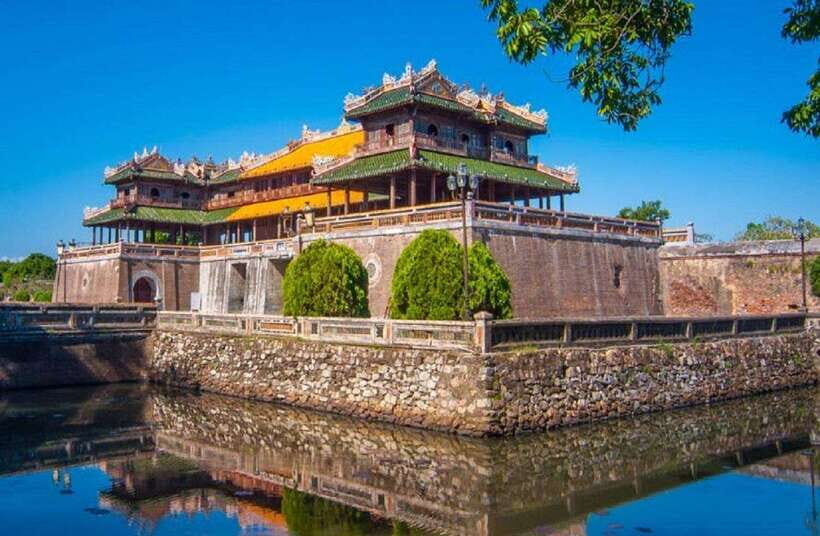
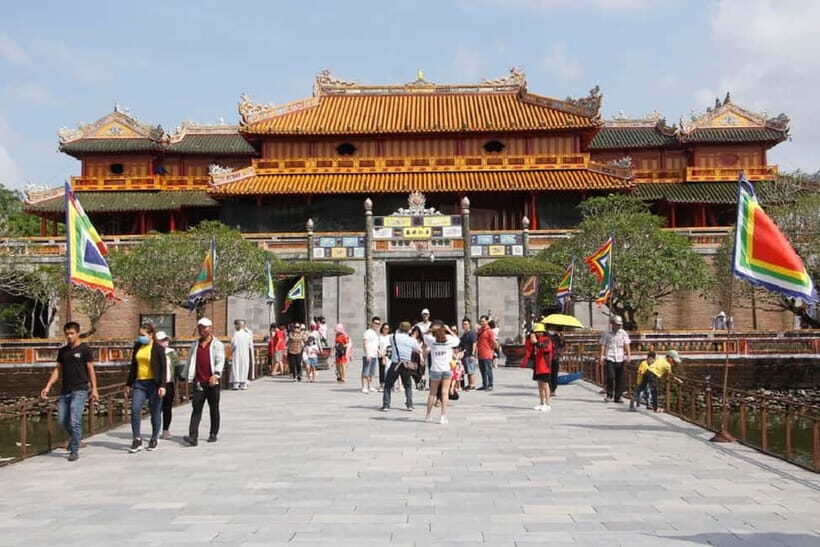
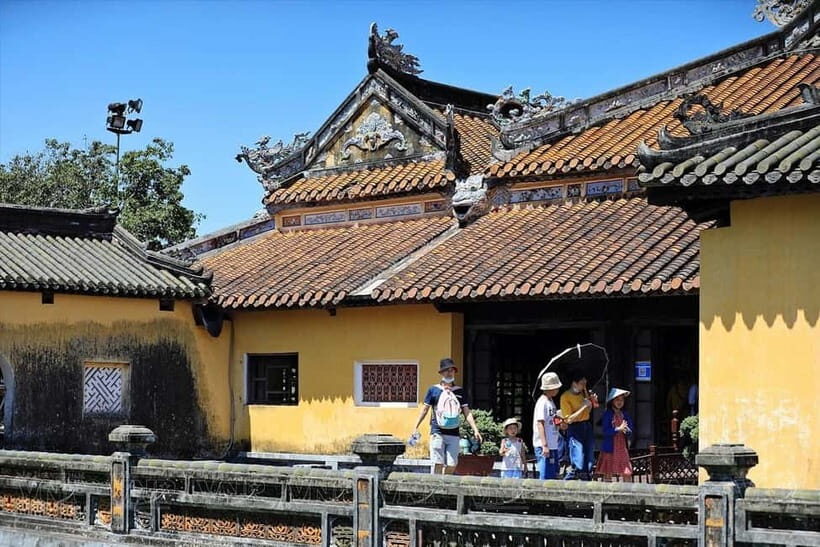
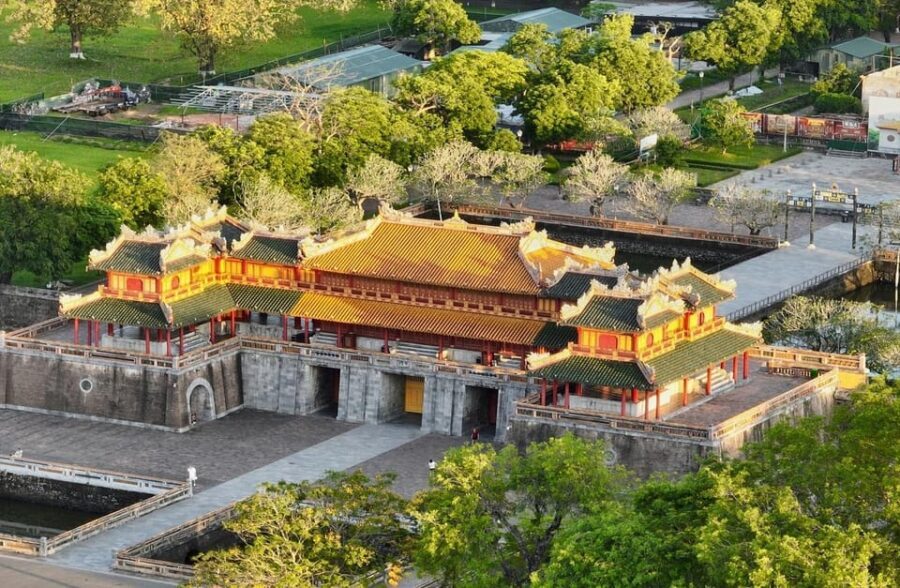
The tour starts with a hotel pickup around Hue city center (or Hue Railway Station, if you’re coming in that way). From there, you head straight to the Hue Historic Citadel—often called the Imperial City or Forbidden City—built from 1804 to 1833 by the first Nguyen kings of that era, Gia Long and Minh Mang. This is the political and cultural core of the royal family, so you’ll feel it as you walk: everything is laid out to show rank, ritual, and control.
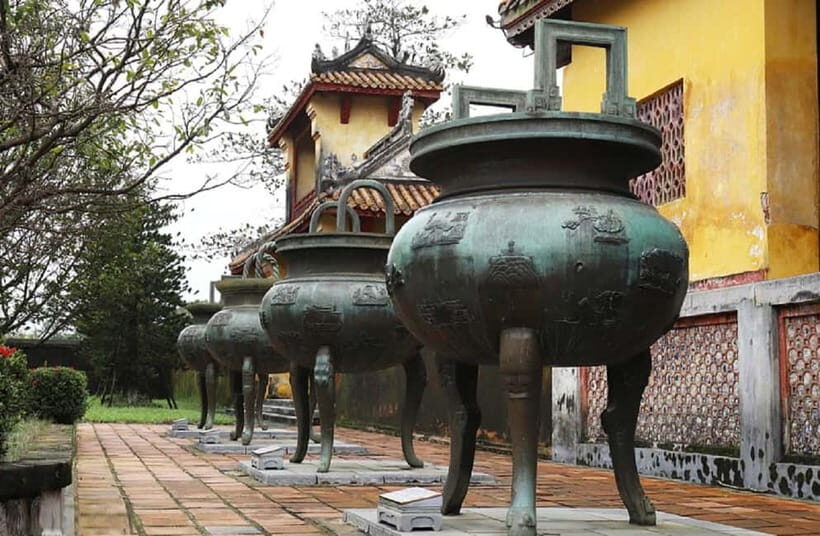
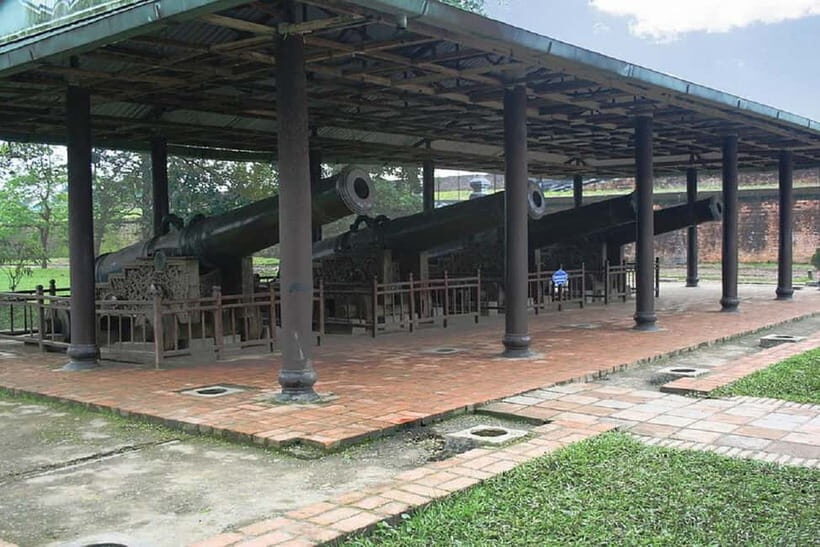
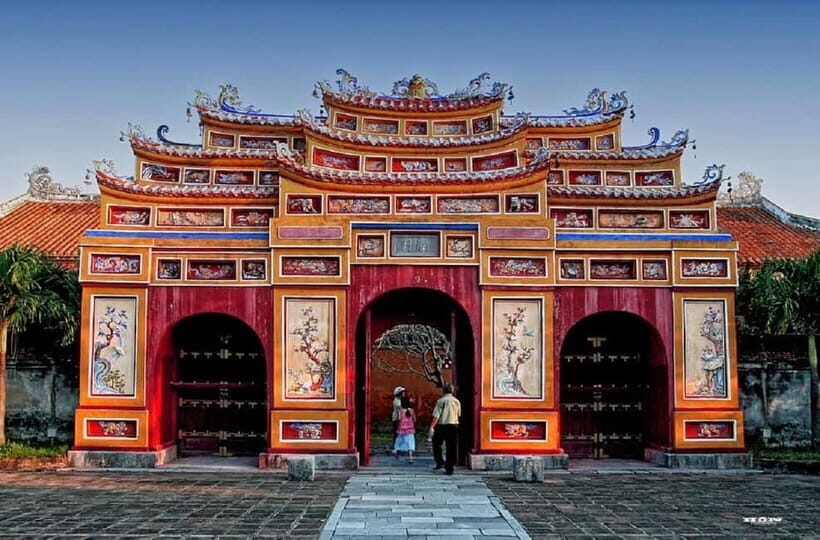
What I like about this opening is that you don’t just stare at walls. You move through specific zones that connect function to symbolism. In the Imperial City area, you’ll visit key points like the Flag Tower, 9 Holy Cannons, the South Gate, the Supreme Harmony Palaces, and 9 Dynastic Urns. Then you’ll continue into the Forbidden City area itself, where access was historically restricted and the layout reinforces that idea.
A practical note: entry to the Imperial City is not included. You’ll pay separately (the tour lists 200,000 VND per person). The smartest move is to consider combo tickets, because they can bundle Imperial City with tombs for use over two days. The operator even flags a combo option (Imperial City plus 2 tombs, or Imperial City plus 3 tombs), which matters if you’re thinking about doing more in Hue later.
If you choose an option with an English guide, this area becomes much more than a maze of gates. The tour’s core promise is understanding royal life: you’ll learn about the kings, their wives and concubines, and eunuchs—people who shaped court culture even if they weren’t always in the spotlight. Even if you go more self-guided, having that court-life context in your head makes the carvings and ceremonial layout click faster.
Drawback to plan around: you’ll do real walking. The route includes photo stops and time to wander, but you still want comfortable shoes and a hat. If you don’t love walking in warm weather, you can still manage it because the pacing is private and you’ll have breaks built in—but it won’t feel like a sit-down museum day.
If you're still narrowing it down, here are other tours in Hue Vietnam we've reviewed.
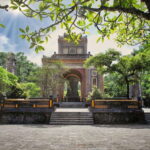

Thien Mu Pagoda: Hue’s Oldest Pagoda and Its Story
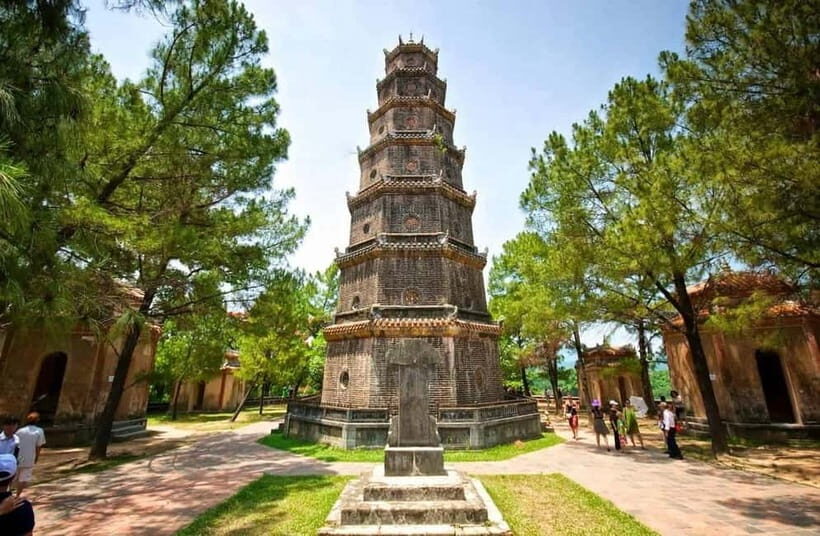
Next comes the Pagoda of the Celestial Lady, better known as Thien Mu Pagoda, built in 1601. It’s often called the oldest and most famous pagoda in Hue, and it’s strongly tied to the Nguyen family’s early presence in the region. The operator connects it to Nguyen Hoang, the founder figure associated with the Nguyen dynasty’s rise.
Here’s what makes this stop memorable: Thien Mu isn’t just treated as a famous building. It comes with a local story about a dream—people reportedly dreamed of a lady Buddha sitting on the hill, and that’s how the pagoda earned its name (Thien Mu translates around Heavenly Lady / Celestial Lady).
The experience gives you a short travel and then about 30 minutes on site, with time for photos and a walk/self-guided look. If you’re the kind of traveler who likes capturing details, this is a great one. The pagoda is visually distinctive and you’ll likely find viewpoints where the river and city feel connected, which helps you “place” Hue in your mind rather than treating each site as isolated.
One practical consideration: because the pagoda stop is relatively short, prioritize what matters to you. If you love architecture and atmosphere, spend your time walking around and reading signage carefully. If you want the best photos, decide where you want your shot early so you’re not rushing at the end.
The Private Dragon Boat on the Perfume River: A Calm Reset
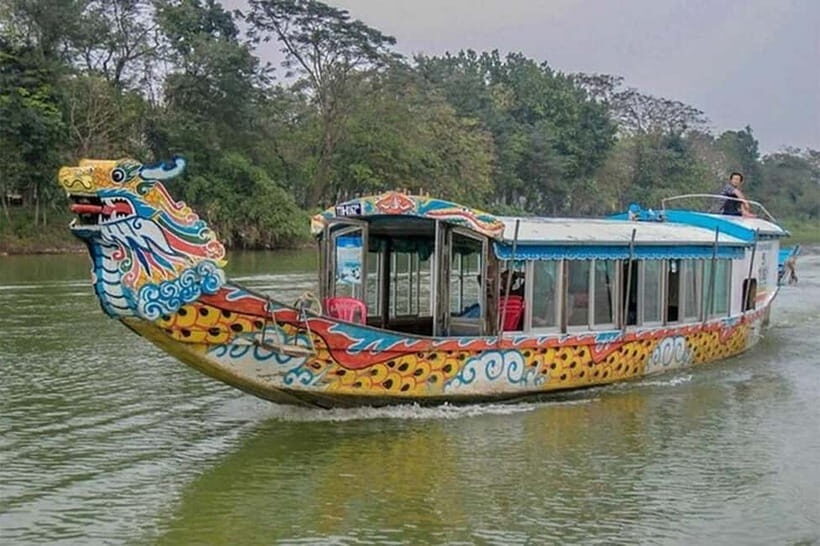
Then you shift gears to water. You’ll take a 30-minute dragon boat on the Perfume River (Huong River). This is the part that turns a temple-and-tombs day into something you can actually enjoy at a human pace.
Why it works: after standing in imperial compounds and climbing around tomb grounds, the boat ride is low effort and offers a different kind of perspective. You’re not scanning for gates and markers. Instead, you’re watching the river and letting the day slow down for a bit. The tour explicitly frames it as refreshing and romantic—what you’ll really feel is that it’s a break you can breathe in.
It’s also private, which you’ll appreciate if you’re traveling as a couple, family, or small group that likes control over timing. You don’t have to worry about syncing with a large group schedule, and that matters when you’ve got multiple stops planned.
Tip: bring something for sun (hat/sunglasses). Even on a short ride, Hue daylight can be strong. And if you like photos, you’ll probably want to keep your phone/camera protected from spray.
Perfume River Time Plus Photo Stops: Easy Sightseeing Moments
After the boat, you’ll have time around the Perfume River area itself—again with breaks, photo stops, and a chance for a self-guided look. The tour keeps it light here (about 30 minutes), but it’s still useful. This is where you can connect the spiritual and cultural points from earlier in the day to the actual river setting that helped define Hue.
If you’re traveling with someone who doesn’t want to rush every stop, these “in-between” moments are smart. They also help you catch your breath. That might sound small, but after hours of moving between sites, a short reset keeps the day from turning into a checklist.
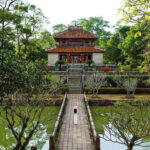
Minh Mang Tomb: The Emperor’s Afterlife as a Working World
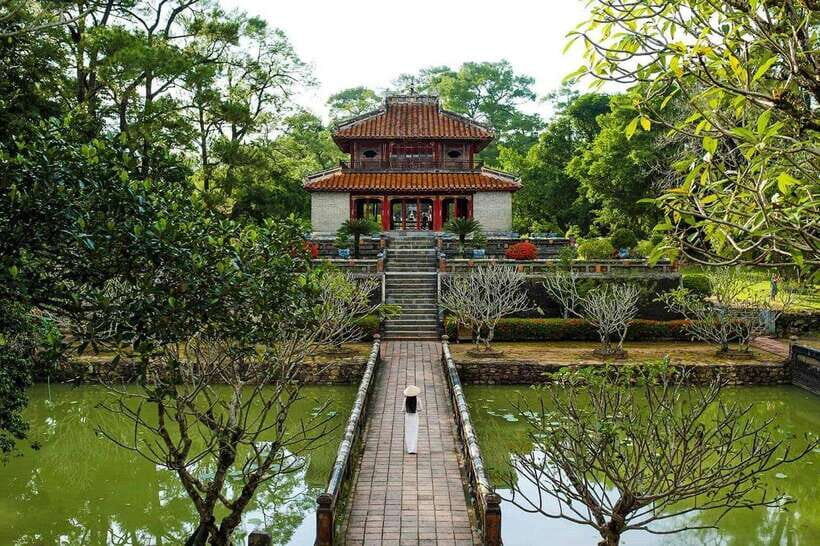
The day’s tomb section starts with the Minh Mang Tomb, built 1840 to 1843. The operator notes it was started by Minh Mang and finished by his son, King Thieu Tri, with completion dates listed as 1840 to 1847.
What makes Minh Mang’s tomb special is the scale and the idea behind it. The tomb area covers about 15 hectares, and it includes space for more than burial. You’re looking at a combined living-and-working plan: the tour description emphasizes living and working areas for the king and queen, and especially living rooms for his minor wives and concubines after his death.
That detail is exactly why this stop feels different from a standard cemetery. You can feel the Nguyen approach to power: the afterlife is imagined as continuity, not interruption. In practical terms, that means the grounds include compartments and planning that reflect how court life was structured.
Your time here is about 45 minutes, with guided and self-guided elements. If you choose the guided option, it’s here where explanations really pay off, because the tomb layout becomes easier to interpret when someone connects sections to who lived there and what function they served.
Drawback to plan around: tomb grounds often include walking paths and uneven terrain. Keep your shoes grippy, especially if the ground is slick after humidity.



Tu Duc Tomb: A Ruler Who Designed His Own Escape
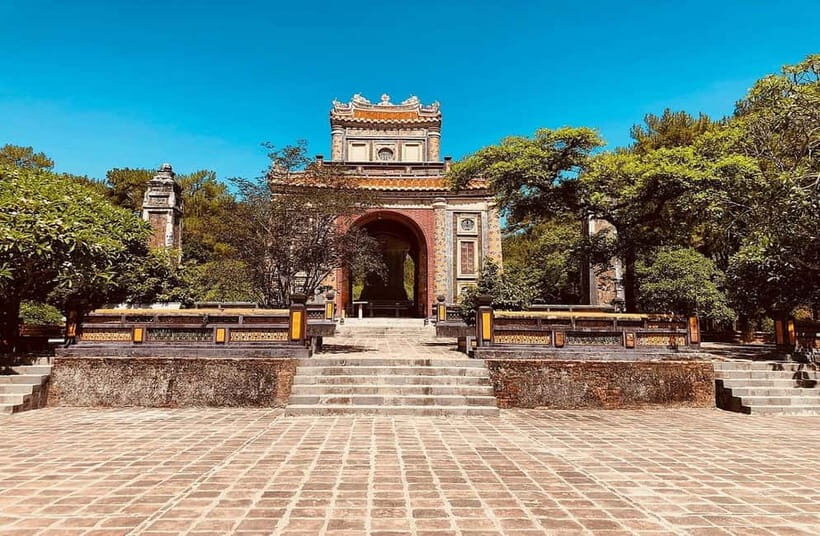
Next is the Tomb of Tu Duc, constructed 1864 to 1867. Tu Duc is listed as having built it for himself while also tying it to his working and living life. In other words, this wasn’t just a burial plan; it served as a place he sometimes used during his lifetime.
The tomb area is about 12 hectares, and it’s split into two separated zones: a temple area and a burial area. That separation matters. It helps you understand the ritual logic—where worship and reflection happened versus where the remains were placed.
The tour includes time for visits plus walking/hiking elements (again with about 45 minutes here). If you like tombs that feel atmospheric rather than strictly formal, Tu Duc is often the kind of place where you can slow down. The layout and the open grounds make it easier to imagine a ruler moving through the space even if you’re only seeing the site after the fact.
Practical note: because this stop includes more active ground time, pace yourself. Hydrate before you start walking, and don’t save all your photos for the last minute—you’ll enjoy it more if you spread them out.
Khai Dinh Tomb: Where Oriental Meets European Style
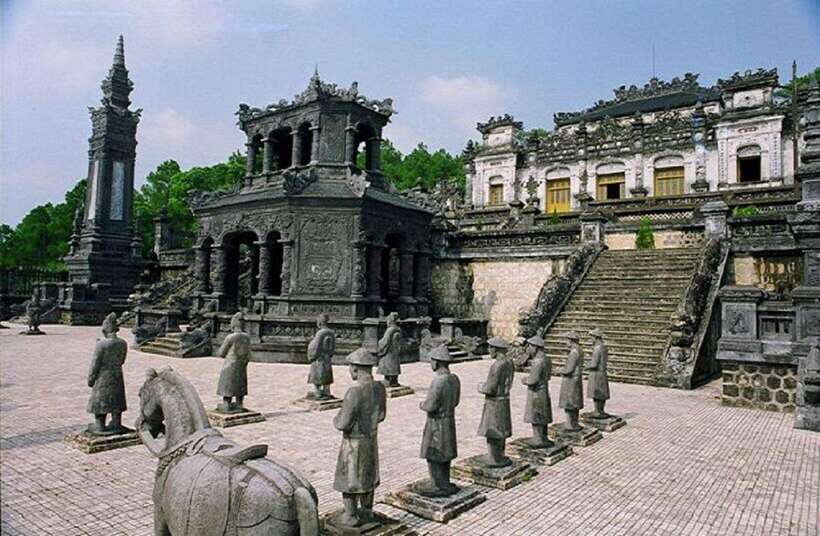
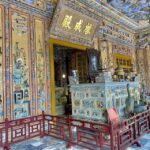
The last tomb on the schedule is the Mausoleum of Emperor Khai Dinh, built 1920 to 1931. This tomb stands apart because it’s the only Nguyen king tomb described as having blended styles of Oriental and European. Even without deep architectural knowledge, you’ll likely notice the difference just by looking at how the tomb presents itself compared to a more classic “expected” royal style.
Another fact that adds meaning: the tour notes it’s the only Nguyen king tomb built with a different kind of structure, and that the king was buried underneath of his tomb. That detail changes how you interpret what you’re standing in front of. It’s not just a monument sitting above a grave; it reflects an arrangement that prioritizes presentation while keeping the burial function separate.
You’ll likely get a guided explanation and time for a walk/hike on site (about 30 minutes). Even if your time is short, the tomb’s design difference makes it a strong closer. It gives you a “last image” that feels like the evolution of an era rather than just a repeat of earlier tomb themes.
How the Private Setup Affects Your Day (And Your Photos)
This experience is built around privacy in two key ways: private car and private dragon boat. That matters more than most people expect.
With a private car, you can handle the transfers more comfortably between sites. You also avoid the slow churn of waiting around. With a private boat, you don’t get stuck behind a crowd, and you can pause for photos or enjoy the river time without feeling like someone is rushing you.
One more subtle benefit: the tour offers customization. The operator notes you can tailor your own itinerary using the private car and boat to visit the best popular attractions in Hue. So if you’re someone who wants your day to match your interests—more walking in imperial spaces or more quiet time near the water—you have room to shape it.
And based on past English-speaking support, you can expect that the driver often helps with tips beyond the road between stops. If you’re lucky and you get a guide like Linh, you’ll probably find the history becomes easier to hold, because the explanations stick to what you’re looking at right then. If your driver is someone like Hung, the transitions between sites feel calm and well-timed.
Value and Price: What $16 Really Buys (And What You Still Need to Budget)
On paper, $16 per person for a half-day to full-day private car plus a private dragon boat sounds like a steal. The value is real, but you need to budget for one big extra cost and a couple of personal choices.
Here’s the math that matters:
- Imperial City entry is not included: plan for 200,000 VND per person.
- Food and drinks are not included, and you’ll want to decide if you bring something or stop for lunch on your own.
- If you pick the option that uses only the driver, you may not get a full English guide for explanations. If you want the court-life context and tomb interpretation, choosing the English guide option is worth it.
Why that’s important: Hue’s imperial and tomb sites can turn into a blur if you only have signage. The operator is very clearly set up for you to learn the meaning behind the places—especially around royal life, women and concubines, eunuchs, and how emperors imagined their afterlife. That knowledge is what lifts the experience from sightseeing to understanding.
If you’re traveling as a couple or small group, private transfers and a private boat add up fast on your own. This tour bundles those moves so you’re paying for convenience, time savings, and less stress.
Who This Tour Fits Best
This tour is a strong match for you if:
- you want a single organized day that covers imperial sites, a major pagoda, the river, and multiple tombs
- you like historical explanations connected to what you’re seeing
- you prefer private, English-friendly logistics over group hopping
- you want a balance of walking plus a calming boat ride
It may be less ideal if:
- you hate walking and active ground at tombs
- you want a totally relaxed day with minimal moving
- you’re on a tight budget and don’t want to add entry fees (Imperial City is the big one)
If you’re a history fan, this is the kind of day that gives you stories you can carry into Hue streets afterward.
Should You Book This Hue Royal City and Tomb Tour?
I’d book it if you want the “Hue highlights” in a way that feels structured but not overly rigid. The strongest reasons to say yes are the combination: Imperial City walking, Thien Mu Pagoda, a private dragon boat reset, and then three tombs that show different versions of royal planning after death.
Do it especially if you want explanations in English. The difference between wandering a citadel and understanding what you’re seeing can be huge, and the tour is set up to provide that support.
Before you book, just plan your budget for the Imperial City ticket, pick shoes you can walk in, and decide whether you want the English guide option for maximum context. If that fits your style, this is a very practical, high-value way to experience Hue’s royal world in one day.
FAQ
Is Imperial City entry included in the tour price?
No. Imperial City entry is listed as an extra cost of 200,000 VND per person. The tour also suggests you may want a combo ticket that bundles Imperial City with tombs for use over two days.
Do I need to choose between a driver and an English guide?
There are options. The tour includes a private car with a basic English-speaking driver, and an English-speaking guide is available depending on the option you select.
How long is the experience?
The duration is flexible, listed as 4 to 8 hours, depending on your starting time and how your day plays out.
What’s included for the river portion?
You get a private dragon boat cruise on the Perfume River (Huong River). The tour time on the river-related parts includes both boat time and additional breaks/photo time.
Where do you pick me up in Hue?
Pickup is included from city center hotels or Hue Railway Station. If your location is outside city center or not at Phu Bai Airport, there may be an extra charge.
Is food and drinks included?
No. Food, drinks, and anything not specifically mentioned are not included.