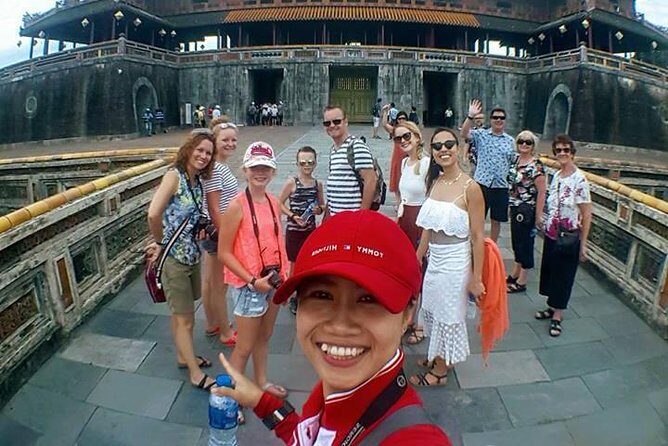
REVIEW · HUE VIETNAM
Hue Imperial Ancient City Walking Tour
Book on GetYourGuide →Operated by Linh Nguyen · Bookable on GetYourGuide
A tour that makes emperors feel real. This small-group walk through Hue’s Imperial City turns big stone gates and palace halls into clear stories about how the Nguyen Dynasty ruled and why the layout mattered. I especially like how the guide connects architecture to daily life at court, so you’re not just reading signs.
Two things I like most: the stop-by-stop focus on the Meridian Gate, Thai Hoa Palace, Dien Tho Palace, and the Forbidden City area, and the way the guide uses photos and explanations to show how the complex worked. One thing to plan for is the walking pace: it’s built for comfortable shoes and a steady route, so you’ll want water and sunscreen.
In This Review
- Key highlights you’ll actually notice
- Hue Imperial City feels like a city-within-a-city
- Meeting point and timing: what to plan for
- Starting at the gate: Meridian Gate and the first big idea
- Thai Hoa Palace: where ceremonies get translated into real life
- Dien Tho Palace: the queen mother’s residence adds a human layer
- Reaching the Forbidden City area: what’s private and why
- How Linh Nguyen makes the Nguyen Dynasty feel understandable
- Walking pace, breaks, and what the small group really changes
- Price and value: why $2 is only the start of the story
- What I’d pair this tour with during your Hue days
- Who this Hue Imperial City walking tour suits best
- Should you book it?
- FAQ
- FAQ
- How long is the Hue Imperial Ancient City walking tour?
- What time does the tour start?
- Where do we meet?
- What language is the guide?
- How big is the group?
- Is the tour wheelchair accessible?
- What should I bring for the tour?
- Are there any items that are not allowed?
- Do I need to pay a tip?
Key highlights you’ll actually notice
- Meridian Gate (Huế) explained as the main formal entrance and a lesson in power and ceremony
- Thai Hoa Palace turned into a real picture of how public rituals worked at court
- Dien Tho Palace framed through the role of the queen mother and family life inside the citadel
- Forbidden City zones clarified so you understand what was private versus ceremonial
- Linh Nguyen’s English plus visual aids (photos and prompts) that make the history stick
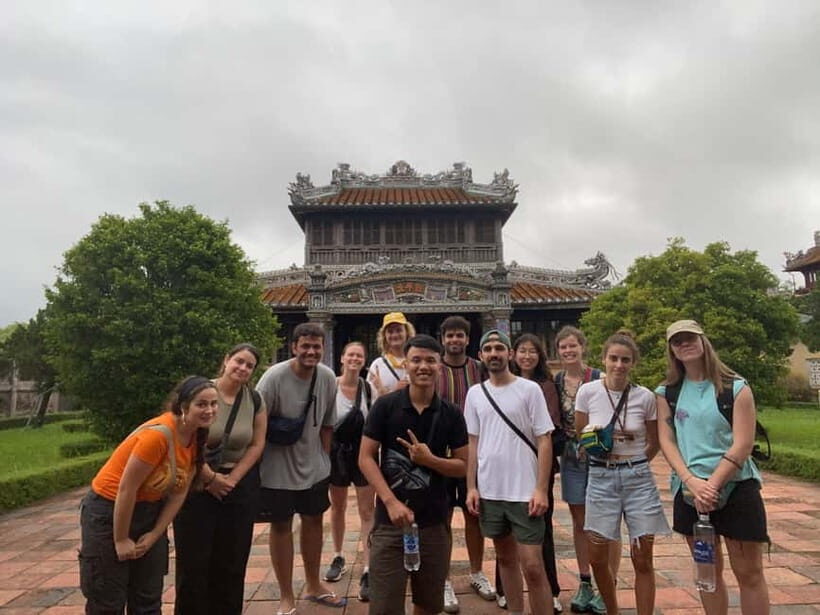
- Small group (max 10) that feels more like a guided conversation than a rush-through
Hue Imperial City feels like a city-within-a-city
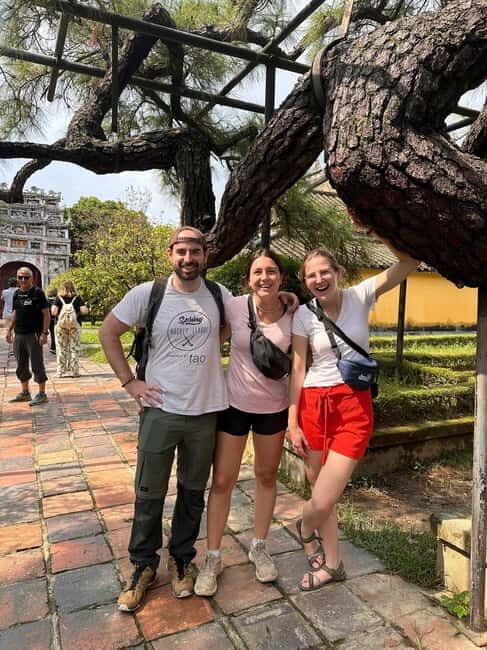
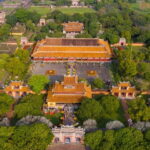
Hue’s Ancient City is one of Vietnam’s key royal landmarks, and it’s UNESCO World Heritage listed. The best part is that it doesn’t feel like a random pile of old buildings. You’re walking through a designed system: gates, walls, courtyards, palaces, and restricted areas that show how authority moved through space.
What makes this tour worth your time is the balance between shapes and meaning. You learn what you’re looking at, then you get the story of what it was for. That combo helps you see the citadel as a working royal environment, not only a museum.
If you're still narrowing it down, here are other tours in Hue Vietnam we've reviewed.


Meeting point and timing: what to plan for
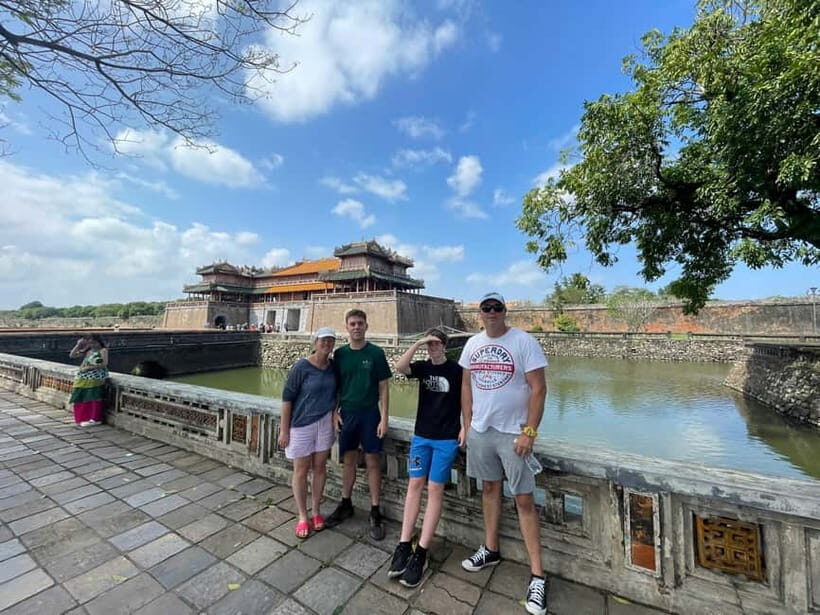
You meet in front of the Imperial City ticket booth (Hue’s Historic Citadel area). Tours run at 9:00 AM and 3:00 PM, and the walking tour is listed at about 150 minutes (2.5 hours).
This is a “walk-and-look” experience, so come ready. Wear comfortable walking shoes, and bring water and sunscreen. You’ll also want to have a WhatsApp or Vietnamese phone number, since the organizer contacts you to confirm the time and meet smoothly.
Starting at the gate: Meridian Gate and the first big idea
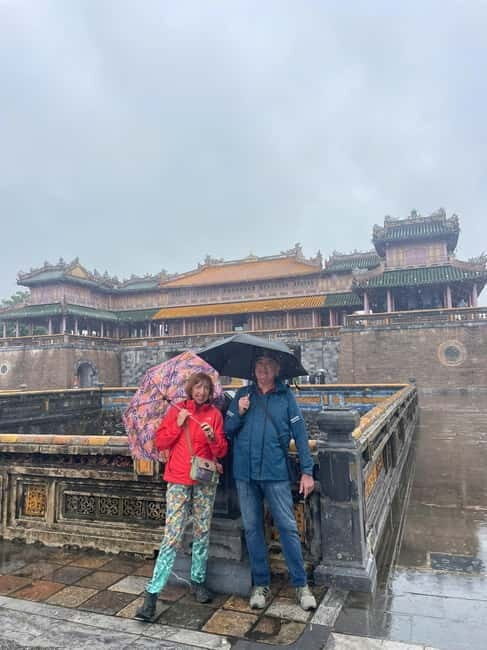
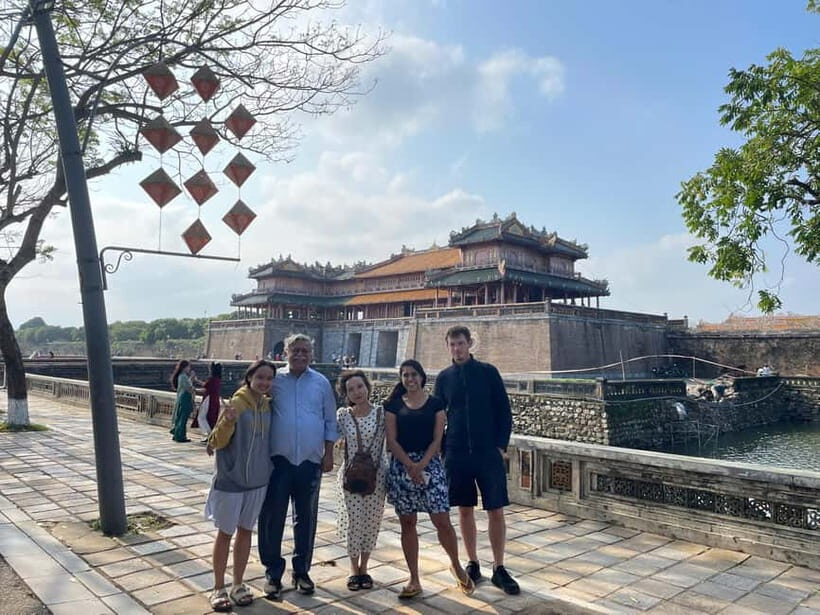
Most visits to Hue start with wandering. This one starts with orientation. You begin around the Hue Imperial City entry zone and focus on the formal entrance, the Meridian Gate.
Here’s why that matters: Meridian Gate isn’t just a grand backdrop. In a royal complex, the main gate sets the tone for ceremony, hierarchy, and movement. When you understand that logic early, the rest of the citadel starts to make sense as you move from public-facing spaces toward deeper and more private areas.
This is also where a good guide saves you time. If you only follow the biggest structures, you miss the meaning behind the smaller transitions like courtyards and side entrances. With the guide’s explanations, you notice those in-between spaces instead of tuning out.
Thai Hoa Palace: where ceremonies get translated into real life
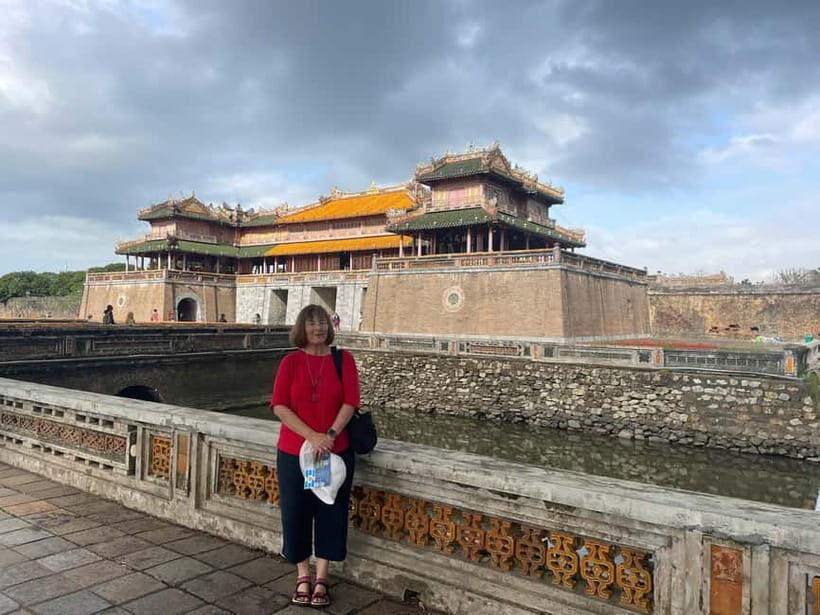
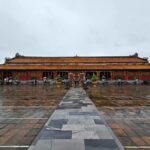
The Thai Hoa Palace is the ceremonial main hall, and it’s one of the stops that really shapes your understanding of the court. You don’t just see a palace you’ve read about. You get the context for what kind of occasions happened there and why the layout supports formality.
In practical terms, Thai Hoa Palace helps you read the rest of the complex. It gives you a reference point for what “public ritual” looks like inside the citadel’s rules. When the guide ties the architecture to ceremony, you’ll better understand why certain paths and spaces are meant to be seen by the right people at the right times.
This is also a spot where the guide’s English matters. Since you’re learning stories, dates, and roles at the same time as you’re looking around, clear narration keeps the experience moving.
Dien Tho Palace: the queen mother’s residence adds a human layer
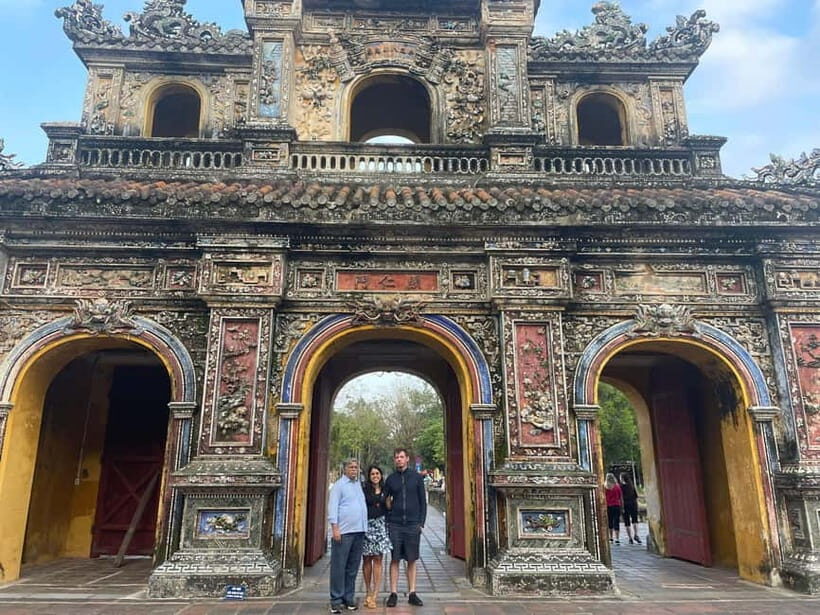
From the main ceremonial focus, the tour moves toward the more personal, family-connected side of court life at Dien Tho Palace. The queen mother’s residence is not presented as a vague “palace interior.” Instead, you’re guided toward understanding the influence and expectations inside royal family dynamics.
This stop changes the tempo in a good way. It’s a reminder that imperial rule was not only formal displays. It was also family structure, responsibilities, and decision-making within the royal compound. Even if you’re not a history buff, this is where the citadel stops being abstract.
If you like history that connects to people, Dien Tho Palace is one of the most satisfying stops on the route.




Reaching the Forbidden City area: what’s private and why
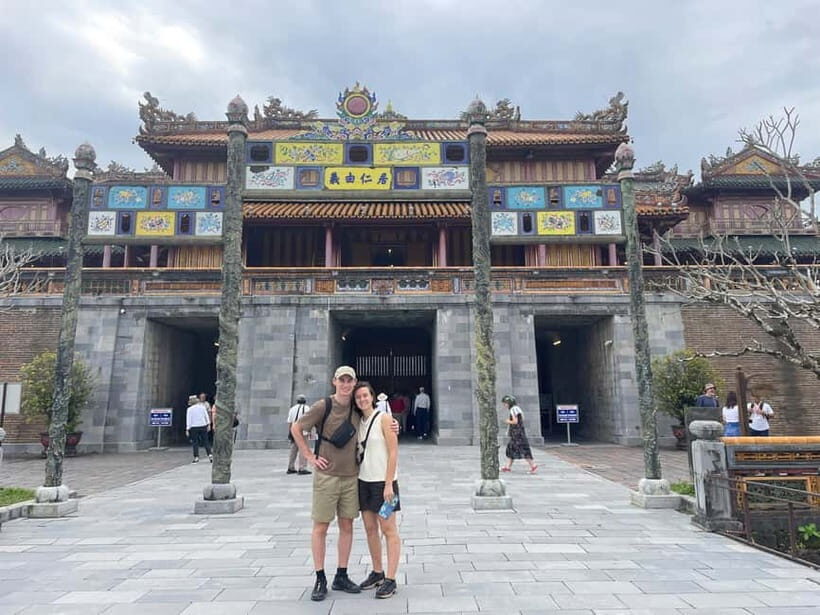
The Forbidden City is the emperor’s private area, and the guide’s job here is to help you understand boundaries. You’ll hear how access worked and why some spaces were restricted. That explanation matters because otherwise the area can look like “more palace buildings.”
As you move through these zones, your mental map shifts from landmarks to rules. You start noticing what you can do here versus what’s implied as off-limits, and you understand that the citadel’s design protected status and control.
This is also where a small-group format helps. With fewer people, you can slow down for questions and explanations without the whole group getting stuck at the same bottleneck.
How Linh Nguyen makes the Nguyen Dynasty feel understandable

The experience lives or dies by the guide, and in this tour that’s Linh Nguyen. The overall vibe you’ll get is practical storytelling: not just dates and names, but how the complex operated and what the spaces meant in daily terms.
From the way the tour is described, you can expect more than a lecture. The guide uses visual aids and photos, including prompts that help you compare how the citadel looked in different periods. That kind of visual explanation is a real help when you’re standing in front of a building with multiple layers of meaning.
There’s also a conversational feel. The guide asks questions and checks that everyone follows along, and you’ll have a chance to hear how the history connects to modern Vietnam. One strong detail: you may get discussion that includes French colonial influence and later conflict impacts, plus how those pressures shaped what survived and what changed.
English is listed as the tour language. In real terms, that means you’re not fighting for comprehension while also trying to interpret carved details, courtyard rules, and palace functions.
Walking pace, breaks, and what the small group really changes
This tour is limited to 10 participants, and it’s designed to stay manageable. That size gives you more chance to move as a group but still get time to pause and look.
The route includes moments where you can take in areas on your own for short stretches, plus breaks for comfort and resting. That pacing helps because Hue’s citadel is big, and you don’t want to spend 150 minutes only listening while your feet go numb.
There is one caution: the flow between guided sections and self-walk moments can feel unclear if you’re expecting constant direction. If you’re the type who likes a strict schedule, you might want to ask the guide what’s coming next when the group stops for breaks.
Price and value: why $2 is only the start of the story
The listed price is $2.00 per person, and that’s the headline number. The reality of value here comes from what you’re getting for that cost: a focused English walking guide through key imperial sites.
Most of the “value math” is simple. You’re paying for interpretation, time, and a guided route that hits high-impact stops without you needing to build your own plan from scratch. When a complex like the Imperial City can take far longer to understand without help, a low base price plus a strong guide can be a smart deal.
One more thing to budget for: the tour is tip-based at the guest’s discretion, and multiple people recommend bringing cash for the tip. That doesn’t mean you’re forced to tip a specific amount. It does mean you shouldn’t show up assuming $2 covers everything.
Also note: you’ll want to avoid alcohol and drugs during the experience.
What I’d pair this tour with during your Hue days
This tour helps you build a foundation, so your next steps get easier. Since you’ll learn how the complex is organized, you can return later with better instincts for where to spend extra time.
If you’re staying in Hue for more than a day, consider pairing the Imperial City tour with an afternoon for revisiting the areas you liked most. The guide’s recommendations can also steer you toward local food experiences; at least one guide-style detail includes pointing you toward Hue specialties like Bun Bo Huế after the tour.
Who this Hue Imperial City walking tour suits best
This tour fits well if you want:
- A first-time understanding of the Nguyen Dynasty and how the citadel worked
- A walk-through with a guide who explains ceremony, family roles, and boundaries
- A small-group experience where your questions don’t get lost
It’s also a solid choice for solo travelers, couples, and small groups. The group limit is part of the charm: you’re less likely to feel like you’re sprinting to keep up.
If you’re the kind of traveler who wants complete freedom with no guidance, you might prefer independent wandering. But if you care about understanding why gates and palaces were placed where they were, guidance is the shortcut.
Should you book it?
If you’re visiting Hue and the Imperial City is on your must-see list, I’d book this. The combination of key stops, an English-speaking local guide, and a small group makes it easier to turn “big buildings” into real meaning. The low base price is a bonus, and you’ll likely feel you got more explanation than you paid for.
Book it especially if you value stories tied to architecture. If you dislike walking or want a strictly self-paced visit with no narration, this may feel too structured.
FAQ
FAQ
How long is the Hue Imperial Ancient City walking tour?
The tour is listed at 150 minutes (about 2.5 hours).
What time does the tour start?
There are two start times: 9:00 AM and 3:00 PM.
Where do we meet?
You meet in front of the Imperial City ticket booth, with confirmation of the designated time.
What language is the guide?
The tour includes a live English-speaking guide.
How big is the group?
The group is small, limited to 10 participants.
Is the tour wheelchair accessible?
Yes, it is listed as wheelchair accessible.
What should I bring for the tour?
Bring comfortable walking shoes, plus sunscreen and water.
Are there any items that are not allowed?
The tour notes no alcohol and no drugs.
Do I need to pay a tip?
Tips are entirely at the guest’s discretion.