REVIEW · HUE
Hue Revolution Walking Tour Hue City during French & American War
Book on Viator →Operated by Hue Local Tour · Bookable on Viator
Hue has a way of turning history into something you can walk through. This 2.5-hour Hue Revolution tour connects French and American War-era events with older local uprisings, all while you move across the city. I really like the mix of strategic war context at the start and on-foot stops that make the story stick. I also like that you get time at Dong Ba Market for real local food moments, not just photos. The one drawback: it’s a tight schedule, so the stops are meaningful but not long enough if you want to study each site like a museum.
This experience is built around a simple idea: Hue mattered to every side, and the city’s layers show up in bridges, embankments, and memorial spaces. The guide—often noted for strong English like Thanh—does what you want a guide to do: explain why each place matters and keep the pacing comfortable for a small group. You’ll come away with a clearer map of Hue’s role and a better sense of how Vietnamese perspectives fit into the bigger war story. Just be ready for some heavy themes as you move from protest and resistance into war relics.
If you’re the type who enjoys walking, reading the city’s physical clues, and asking practical questions about cause and consequence, this tour is a good match. It also helps that the group stays small (up to 10), and you’re meeting at a central spot that makes it easy to find your bearings. Bring your curiosity, wear shoes you trust for city sidewalks, and keep an eye on the weather—this one depends on good conditions.
In This Review
- Key things to know before you go
- War-era Hue on foot: why this tour hits differently
- Meeting at DMZ Bar & Restaurant: get the Hue war map early
- From anti-diem protest to the 1908 anti-tax movement: Hue’s resistance in layers
- Dong Ba Market: where history pauses for food and everyday life
- Trường Tiền Bridge and the Perfume River: the war scar you can see
- Abandoned bunkers, citadel walls, and what Vietnamese perspectives add
- Flag Tower and the nine Gia Long cannons: art, power, and place
- Price and value: is $25 really fair for 2.5 hours?
- Walking pace, weather, and who this tour suits best
- Should you book Hue Revolution Walking Tour?
- FAQ
- How long is the Hue Revolution Walking Tour?
- How much does the tour cost?
- Where do I meet the guide?
- What’s the tour itinerary like, in broad strokes?
- Is lunch or dinner included?
- Does the tour include bottled water?
- Is the guide English-speaking?
- What food stops should I expect?
- Is the group limited in size?
- What happens if the weather is bad?
Key things to know before you go
- Small group pace (max 10 travelers): you get time to ask questions without feeling rushed.
- DMZ Bar orientation: a quick briefing to understand Hue’s strategic role before you start walking.
- Dong Ba Market stop: you’ll have a chance for local snack tastes like finger fruit and sweet soup.
- Perfume River and Trường Tiền Bridge: the war story runs across the river, not just in a classroom.
- War relics inside the city: abandoned bunkers and citadel areas help you connect facts to place.
- Guides tailor to you (including strong English like Thanh): you should get clear explanations and a thoughtful route.
War-era Hue on foot: why this tour hits differently
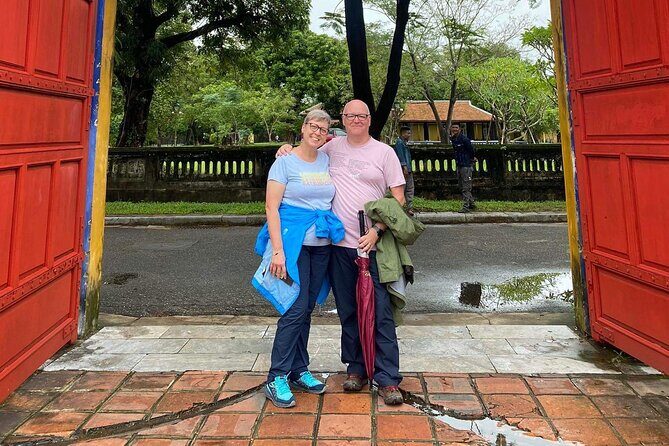
Hue isn’t just scenic. It’s strategic. This tour treats that like the main theme. You’re not only seeing landmarks—you’re learning why Hue’s geography mattered, why certain targets were chosen, and why the city still shows scars in public space. That framing matters, because it makes the stops connect into one storyline instead of feeling like a list of random sights.
I especially like how the tour starts with context, then moves you physically from Hue’s south side toward the north side. The walk across iconic areas like Trường Tiền Bridge and along the Perfume River gives you a sense for why Hue was hard to ignore during the French and American Wars. And because you also get older episodes threaded into the route—like the 1908 anti-tax movement—you leave with a broader understanding of local resistance, not just Cold War headlines.
Other walking tours we've reviewed in Hue
Meeting at DMZ Bar & Restaurant: get the Hue war map early
You meet at DMZ Bar & Restaurant on 60 Lê Lợi, Phú Hội, Huế. The first stop is short—about 15 minutes—but it sets up everything else. Your guide gives you a brief orientation on the DMZ and on Hue City’s strategic role during the Vietnam War, so you aren’t staring at buildings and trying to guess the meaning.
This is a smart start for two reasons. First, it helps you place the bigger war story before you see the smaller, local evidence. Second, it primes you to notice details as you walk—like routes, chokepoints, and why bridges become military targets. If you like tours that let you understand first, then look, this opening works well.
Bring a question or two. Even a simple one like why certain locations were targeted can make the rest of the route more satisfying.
From anti-diem protest to the 1908 anti-tax movement: Hue’s resistance in layers
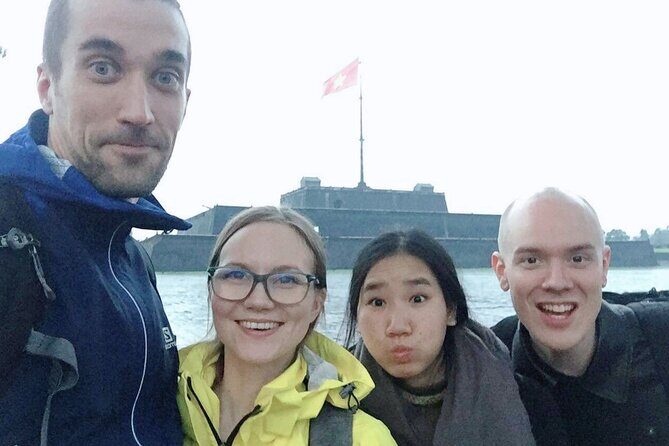
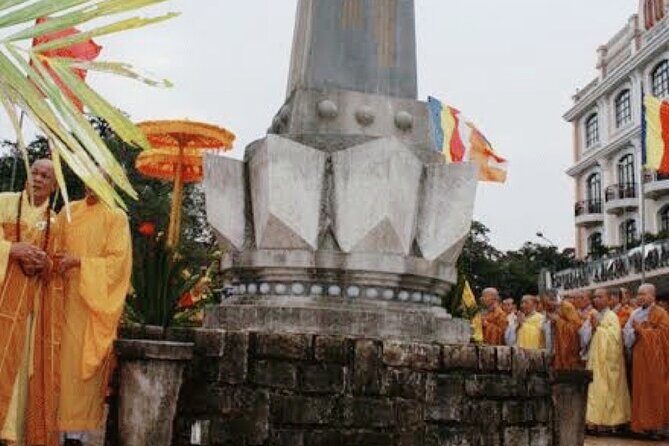
After the DMZ orientation, the tour shifts into key moments that explain why “revolution” in Hue isn’t just one era. You’ll visit the site tied to the religious protest against the Ngô Đình Diệm regime. The stop is brief (about 15 minutes), but it gives you a foundation for understanding political tension in the region.
Then the route moves into the story of the Anti-Tax Movement of 1908, which involved local farmers and scholars rising against heavy colonial taxes and harsh policies. You’ll spend time at Hue University of Education to hear the background and connect the uprising to the people and institutions around it (around 30 minutes).
A related stop focuses on a memorial relic of Uncle Ho’s participation connected to that 1908 protest, with a special mention of the people demanding tax reduction in Thừa Thiên Huế in April 1908 (about 25 minutes). This part of the tour matters because it shows you the timeline isn’t only about the French and American Wars. It’s also about local struggles that fed into later revolutionary narratives.
A practical note: these stops are meaningful, but the time is limited. If you want to go deeper into the political history, plan to do a bit of reading after the tour using the terms your guide gives you.
Dong Ba Market: where history pauses for food and everyday life

Then you get a breather at Đông Ba Market, one of Hue’s oldest and liveliest markets. The stop is about 20 minutes, and the goal here isn’t shopping for hours. It’s to see how Hue people live day-to-day, right in the middle of a war-focused tour.
This is also where the tour makes room for flavor. You’ll be encouraged to try finger fruit and sweet soup. Even if you’re not a big “try-everything” person, these small tastings help you reset your brain. They also make the tour feel more humane. War history can get heavy; this stop gives you a local rhythm to hold onto.
If you’re sensitive to strong smells or crowds, go in with realistic expectations. Markets are active, and you’ll be moving through a busy space. But the time is short enough that you can enjoy the atmosphere without getting stuck there.
Trường Tiền Bridge and the Perfume River: the war scar you can see
Next comes one of the most memorable segments: Trường Tiền Bridge. This is a key teaching moment, because the bridge isn’t presented as just a landmark. It’s presented as a target.
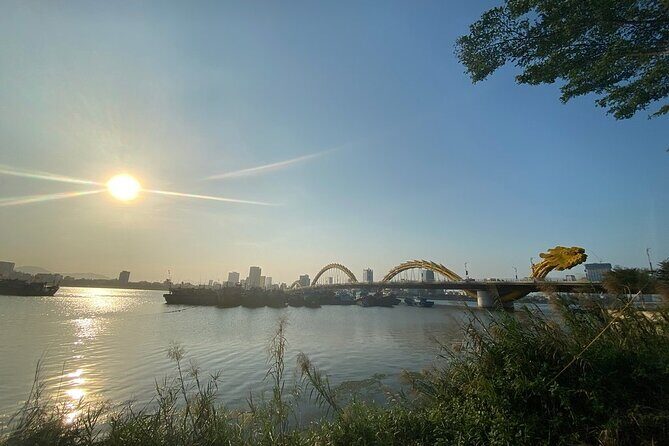
Around 20 minutes here, you learn how this iconic Hue symbol became heavily bombed and destroyed several times, with damage affecting access across the river—specifically the connection across the Perfume River. That changes how you look at the bridge. Instead of seeing it as a pretty photo spot, you start seeing it as a piece of infrastructure that controlled movement and supply.
If you like understanding “why this place, why then,” this stop is a highlight. It connects the abstract word war to something physical and visible—something you can stand by and trace with your eyes.
Other city tours we've reviewed in Hue
Abandoned bunkers, citadel walls, and what Vietnamese perspectives add
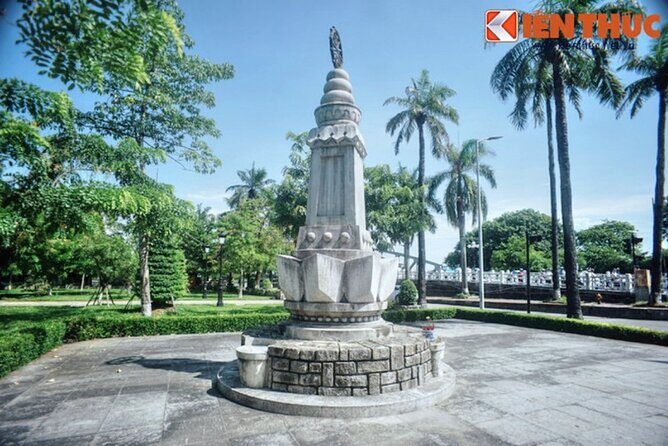
As you continue, the route includes abandoned bunkers in the city after the wars, and then visits the first round citadel. This section is where the tone subtly shifts from political story to physical remnants.
You’ll get insights into Vietnamese perspectives on the wars, which is crucial if your background knowledge mostly comes from Western-centered coverage. The value here isn’t that one side is “right.” It’s that you get a wider set of reference points for what mattered on the ground in Hue, and how people interpreted events.
Two practical tips here:
- Keep your expectations realistic. Bunkers and citadel areas can look similar at a distance, so listen carefully for what your guide is trying to point out.
- Don’t rush your photos. Even when you only get a short window, taking 30 seconds to frame the place the way your guide describes helps you remember it later.
Flag Tower and the nine Gia Long cannons: art, power, and place
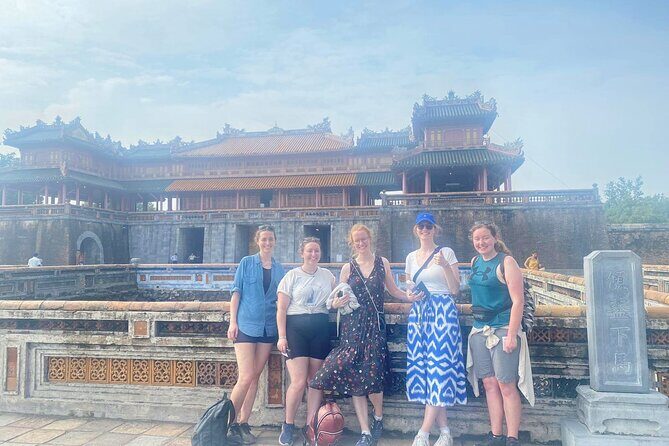
The tour ends with stops that bring in the Nguyen dynasty’s material culture and symbolism. You’ll visit the Flag Tower, described as an architectural monument of the Nguyen Dynasty located in the middle of the south face of Hue citadel within Nam Chanh fortress, and specifically noted as the place to hang the royal court flag.
Then there’s time for the nine cannons—cast by Hue artisans in Gia Long’s second year (1803). Nine cannons are considered among the most valuable bronze works of art mentioned in the tour description. These ancient nine cannons were placed at the foot of the Imperial area (the tour describes the placement, but the exact full label isn’t fully specified in the info you’re given).
Why I like this ending: it gives you a different angle on power. You go from war damage and contested narratives into long-term expressions of authority—metalwork and ceremonial architecture—that helped define Hue’s identity long before modern conflicts.
If you’re into craftsmanship, look for the details in how such items were made and displayed. If you’re more into strategic history, ask your guide how the cannons and fortress spaces relate to defense thinking over time.
Price and value: is $25 really fair for 2.5 hours?

At $25 per person, this tour is priced like a value-friendly walking experience. Here’s what makes it feel fair rather than just cheap:
- The tour includes bottled water and an excellent English-speaking guide.
- It’s described as all inclusive, with lunch or dinner paired with the 2.5-hour Hue history experience.
- Admission to the listed stops is shown as ticket free in the tour timing details, which keeps your out-of-pocket costs predictable.
- You’re also getting a mobile ticket and the tour supports group discounts (useful if you’re booking with friends or family).
- The group cap is 10 travelers, which usually means you won’t be herded around in a huge crowd.
What you should consider: if you prefer museum-style time—long reads, slow pacing, and lots of quiet—this isn’t that kind of experience. It’s structured, efficient, and built for movement. For most people, that’s a plus. But if you’re the type who wants to spend 45 minutes at one spot, you may feel the schedule is tight.
Walking pace, weather, and who this tour suits best
This is a 2 hours 30 minutes walking format. It’s not presented as extremely long, but it is active. The route also crosses areas across the city, including Trường Tiền Bridge and the Perfume River corridor, so expect uneven sidewalks, heat, and the usual city-walk realities in Hue.
Two “before you go” checks:
- You’ll do best with good weather, because the tour requires it. If the weather fails, you should be offered a different date or a full refund.
- Wear shoes you trust. You’ll be moving between multiple stops in a short window.
Who it suits: people who want a political and cultural connection in one package—especially if you’re curious about why Hue played a major role in the French and American Wars and you want to hear local interpretations. It also fits families and most general travelers, since the info says most travelers can participate and the group stays small.
If you’re traveling with someone who likes photo walks but also wants explanations, this can satisfy both. If your group member wants zero war talk, you might have a mismatch; the tour’s core theme is conflict and resistance.
Should you book Hue Revolution Walking Tour?
I’d book this tour if you want a practical way to understand Hue beyond the obvious sights. The pairing of DMZ-area orientation, walking through city-linked war context, and stopping for market food makes it feel like a real day in Hue, not a disconnected history lecture.
You should skip or look elsewhere if you want a slow, museum-style pace or you’re very sensitive to war-related topics. Also, if your schedule is tight and you hate set meeting times, this one has a defined start at DMZ Bar & Restaurant and moves through fixed stops.
Overall: at $25, with lunch or dinner and a small-group English guide, this is strong value. It gives you the kind of context that helps you keep seeing Hue with new eyes long after the walk ends.
FAQ
How long is the Hue Revolution Walking Tour?
The tour runs about 2 hours 30 minutes.
How much does the tour cost?
It costs $25.00 per person.
Where do I meet the guide?
You meet at DMZ Bar & Restaurant, 60 Lê Lợi, Phú Hội, Huế.
What’s the tour itinerary like, in broad strokes?
You start with an orientation at the DMZ Restaurant & Bar area, then you walk through Hue from the south side to the north side, including key stops such as Dong Ba Market and Trường Tiền Bridge, and you end at Quảng trường Ngọ Môn.
Is lunch or dinner included?
Yes. The tour description says it includes lunch or dinner alongside the history-focused experience.
Does the tour include bottled water?
Yes. Bottled water is included.
Is the guide English-speaking?
Yes. The tour includes an excellent English-speaking guide.
What food stops should I expect?
At Dong Ba Market, you’ll have a chance to try finger fruit and sweet soup.
Is the group limited in size?
Yes. The maximum group size is 10 travelers.
What happens if the weather is bad?
If the tour is canceled due to poor weather, you’ll be offered a different date or a full refund.
You Might Also Enjoy

More Walking Tours in Hue


More Tours in Hue
- Easy Rider private tour via Hai Van pass from Hue – Da Nang – Hoi An (1Way|Loop)
★ 5.0 · 1,542 reviews


More Tour Reviews in Hue
- Easy Rider private tour via Hai Van pass from Hue – Da Nang – Hoi An (1Way|Loop)
★ 5.0 · 1,542 reviews