REVIEW · HUE VIETNAM
Hue: Private Dragon Boat, Pagoda, and Royal Tomb Tour
Book on GetYourGuide →Operated by Adventure Journey Vietnam · Bookable on GetYourGuide
The Perfume River sets the mood for Hue. This private tour strings together the best of the city’s spiritual side and royal past, starting with a dragon boat hop to Thien Mu Pagoda and then moving through the Nguyen emperors’ tombs. It’s a smart way to see a lot without wrestling with scooters or figuring out where each gate and tomb is.
I really like two things here. First, the private boat cruise on the Perfume River feels romantic but also practical, since it’s built into your schedule and cuts down transfer stress. Second, the guide time is well used: you get clear explanations that connect Buddhism, court life, and the tomb architecture, with routes and pacing that make the day feel doable.
One consideration: the tour price does not include the major entry tickets, so your final total can rise fast once you add Royal Tomb tickets and (if you want it) Imperial City access. Also, Hue heat is real, and the later parts of the day can feel long in the midday sun.
In This Review
- Key highlights at a glance
- Perfume River dragon boat to Thien Mu: the start that makes the day
- Thien Mu Pagoda and why Hue’s Buddhism shows up everywhere
- Imperial City context: where the tombs make more sense
- Minh Mang Tomb: the emperor who loved order (and the scenery around it)
- Khai Dinh Tomb: the Western and Eastern style mix you can actually see
- Tu Duc Tomb: when the emperor planned to live inside the tomb
- Optional add-ons: extra stops like Thuy Bieu, Vong Canh Hill, and Dong Khanh
- Price and tickets: what $13 is really covering
- Private guide quality: why the day feels easy instead of rushed
- Time in Hue: how long it takes and how to pick the right option
- Small details that matter: heat, breaks, and where you’ll spend your energy
- Should you book this Hue private dragon boat and royal tomb tour?
- FAQ
- How long does the Hue Private Dragon Boat, Pagoda, and Royal Tomb Tour take?
- What does the tour price include?
- Are entry tickets included for the Royal Tombs and Imperial City?
- Can I choose how many royal tombs to visit?
- What does the dragon boat ride include?
- Does pickup include the railway station or airport?
- What language is the tour guide?
- Is free cancellation available?
Key highlights at a glance
- Perfume River dragon boat ride (about 20 minutes) to Thien Mu Pagoda
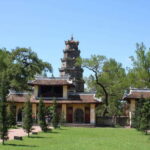
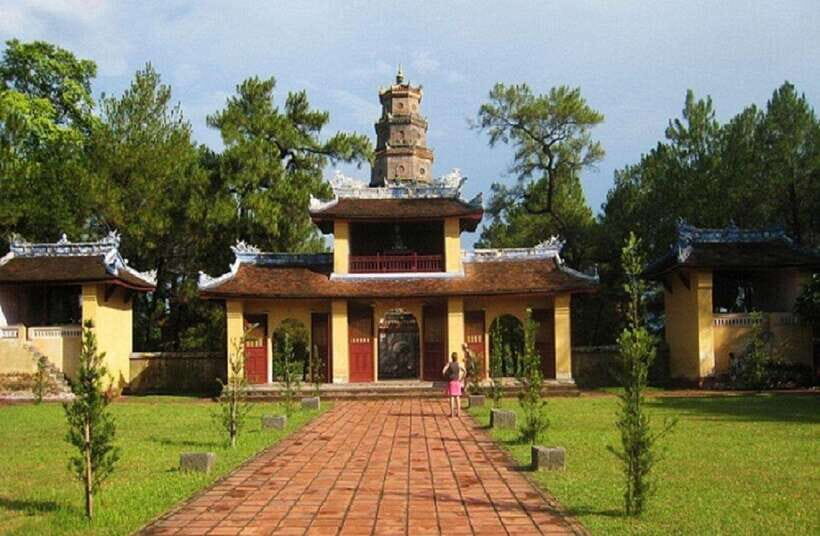
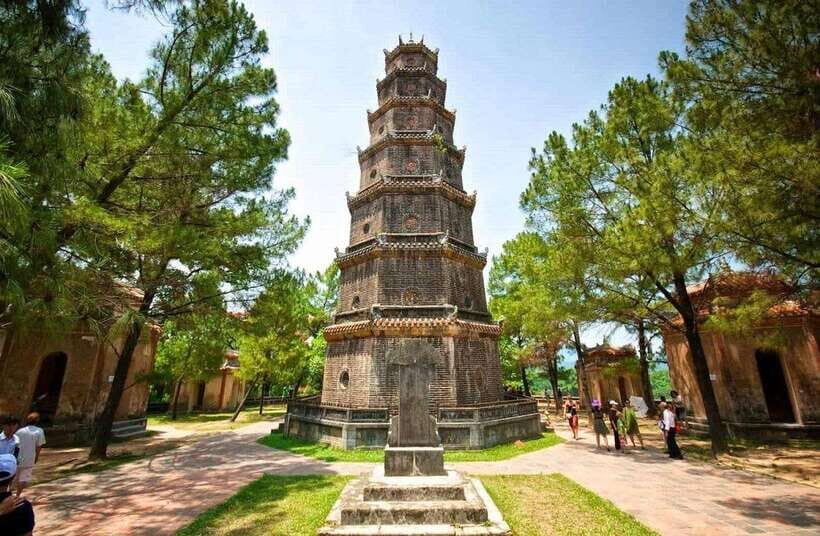
- Thien Mu Pagoda’s 7 floors on a hill overlooking the river
- Nguyen Dynasty tomb contrasts, from Minh Mang to Khai Dinh to Tu Duc
- Court-life storytelling, including kings, wives, concubines, and eunuchs
- Private car or mini van with an experienced driver for smooth hopping between sites
- Extra stops may appear depending on your selected option and timing, like Thuy Bieu or Vong Canh Hill
Perfume River dragon boat to Thien Mu: the start that makes the day

Most Hue sightseeing days start with a grab-and-go scramble. This one starts with water, on purpose. You’ll be picked up in central Hue (or at the train station), then you step onto a private dragon boat for roughly a 20-minute cruise along the Perfume River.
That short ride does two helpful things for you. It gives you a slower “Hue rhythm” right away, and it also positions you for the main spiritual stop without wasting time backtracking. If you’re sensitive to traffic or just tired of hailing rides, this is the easiest win of the whole day.
When you arrive, you’re not just checking off a landmark. You get a big view moment first, with the pagoda sitting above the river. It helps your brain understand why the site matters before you even enter.
If you're still narrowing it down, here are other tours in Hue Vietnam we've reviewed.

Thien Mu Pagoda and why Hue’s Buddhism shows up everywhere
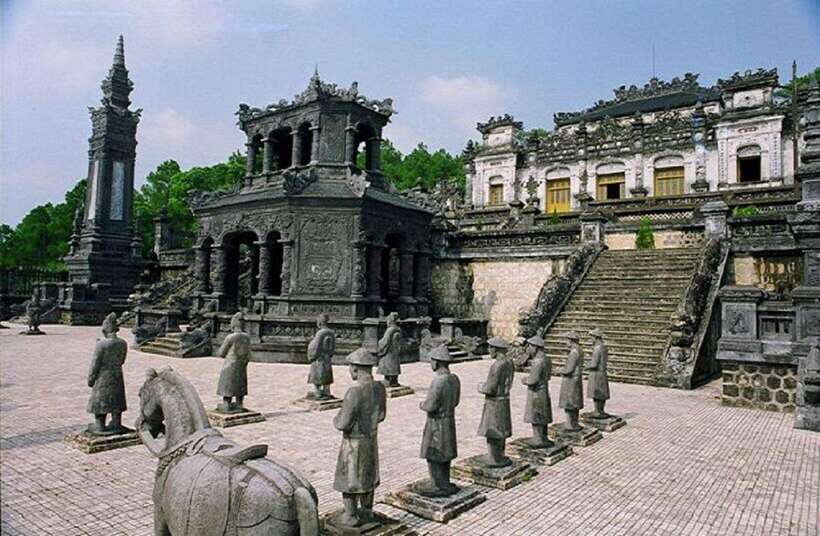
Thien Mu Pagoda is Hue’s oldest Buddhist pagoda, dating back to the 17th century. You’ll walk around the complex, then explore it floor by floor—your route includes the famous 7 floors, which is a great way to slow down and take in how the buildings relate to each other and to the hillside setting.
The practical value of this stop is the context. The guide explains how Buddhism shaped Vietnamese culture and history, and you’ll see how that shows up in what people built, how they practiced, and how the pagoda functions as a living cultural anchor—not just a photo spot.
Expect a mix of architecture, quiet space, and the chance to observe daily religious life. Several guides also tailor their explanations on the spot, which is useful because Thien Mu can feel like “just a pagoda” if you don’t know what to look for. It’s much easier when someone points out the meaning behind the shapes and the layout.
Two pacing tips from what I’d watch for in real life:
- Go in with water and a hat. Reviews often note the heat, especially later in the day.
- If you can, aim to spend a bit longer early. The morning tends to feel calmer, and the pagoda is worth letting sink in.
Imperial City context: where the tombs make more sense
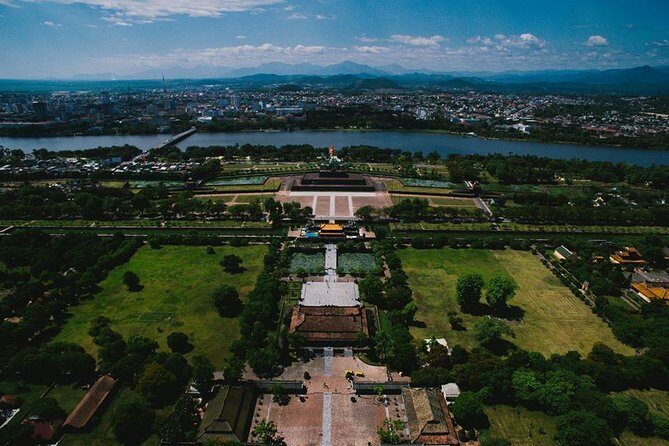
After the pagoda, you shift from spiritual Hue into royal Hue. The drive routes you through the area connected with the Imperial City and the Nguyen Dynasty’s court life.
Here’s why this matters: once you understand that this was the seat of power for emperors from the early 1800s until 1945, the tombs stop feeling random. You start seeing them as statements—about status, belief, and how a ruler wanted to be remembered.
Important note: Imperial City ticketing is separate. The tour price does not automatically include Imperial City entry, and you’ll want to decide whether you’ll actually pay for it. If you’re doing multiple tombs anyway, the combo-ticket idea below can help you plan your total cost.
Minh Mang Tomb: the emperor who loved order (and the scenery around it)
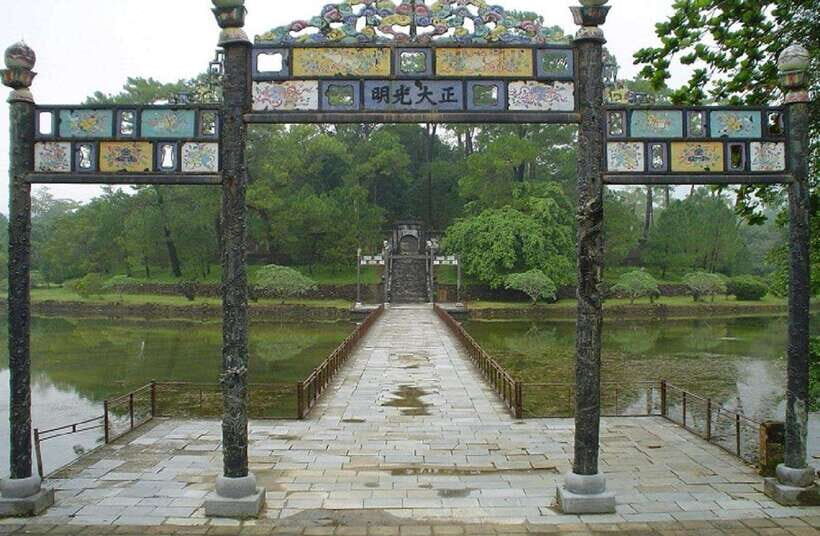
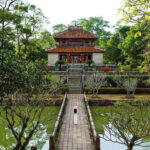
Minh Mang Tomb is often the first “big tomb moment” people remember. It’s known for its beautiful setting and architectural design, so you’re not just wandering indoors—you’re moving through a landscape of gates, walkways, and constructed viewpoints.
This is one of the stops where the guide’s storytelling can really pay off. You’ll learn about life of the kings, including details about the emperor’s world and court structure—wives, concubines, and eunuchs come up as part of how royal life worked. You don’t need every detail, but the pattern helps you understand why tombs like this are built with such ceremony.
Practical pacing tip: plan for slower walking. Tomb grounds can feel like they go on longer than you expect, especially in humidity. If your heat tolerance is low, ask your guide to keep checking the shade and timing.
Khai Dinh Tomb: the Western and Eastern style mix you can actually see
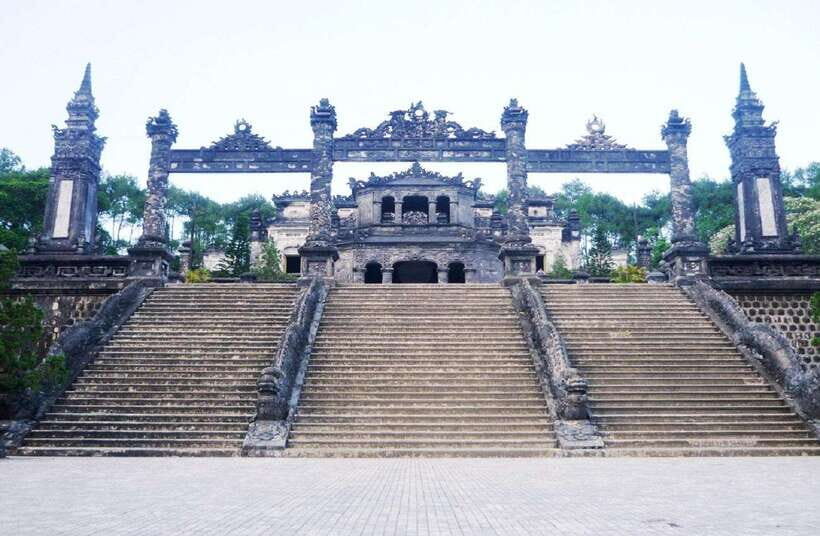
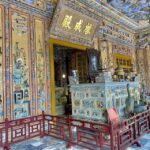
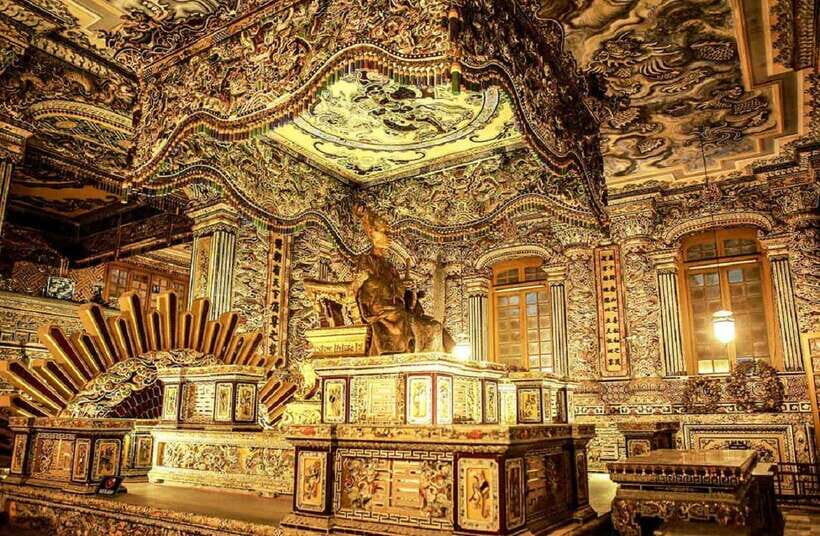
Khai Dinh Tomb is a favorite for one reason: you can see the architecture clearly. Even though it’s the smallest of the Nguyen emperor tombs, it took the longest to build. The result is a design that blends Western and Eastern styles—so it looks different from the tombs before and after it.
This is a great stop when you want variety. A lot of royal tombs follow a similar “set of rules” in layout, but Khai Dinh’s visual language makes you pause. The guide can point out what you’re seeing and how it ties back to a changing era.
If you only have energy for one tomb, this one can be a strong pick because the style contrast is easy to spot even if you’re tired. It also helps that your time here is guided rather than you wandering with a dead phone battery and a vague sense of where to look.



Tu Duc Tomb: when the emperor planned to live inside the tomb
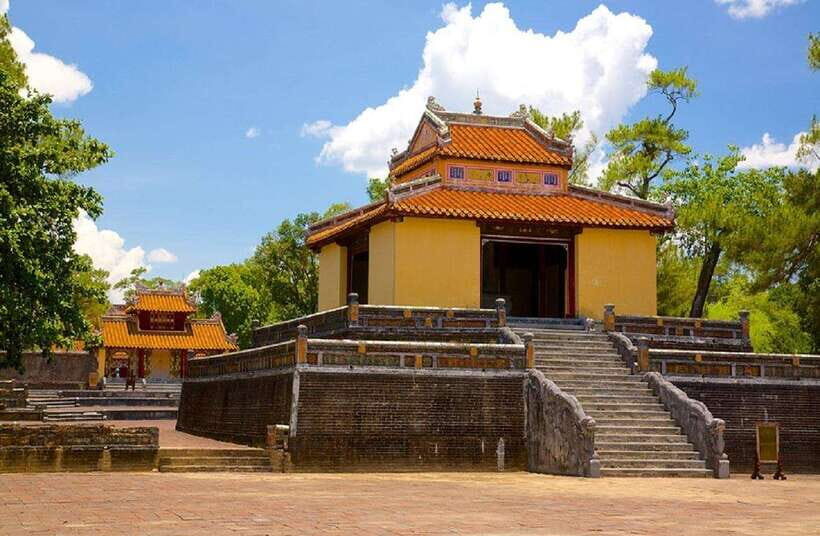
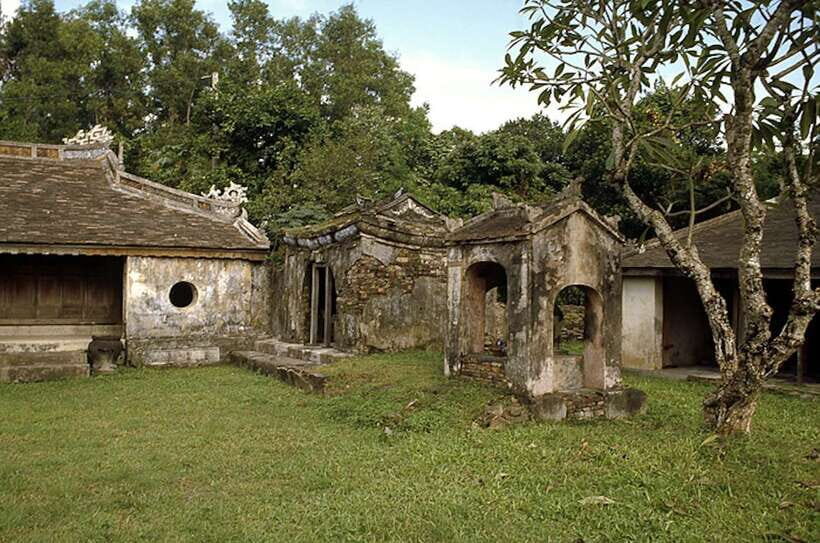
Tu Duc Tomb is different in the way it’s used. It’s the only Nguyen tomb that was finished while the emperor was still alive. That means you’re not just visiting a memorial—you’re stepping into a place that functioned like a residence where Tu Duc could live and work late in life.
Expect a lot of quiet walking and a sense that the space was meant for more than a one-time visit. The guide explains the story of Tu Duc’s later years, which adds meaning to what might otherwise look like just more stone and pathways.
This stop can also be a good “reset” after Khai Dinh. If you’re feeling overwhelmed, Tu Duc helps you slow down again. It’s less about style novelty and more about atmosphere and intention.
Optional add-ons: extra stops like Thuy Bieu, Vong Canh Hill, and Dong Khanh

Your selected option affects how many tombs you visit. And the day’s schedule can also include additional photo breaks and viewpoints.
In some routings, you may see stops such as:
- Tiger Arena and Thuy Bieu Village (with photo breaks and a bit of walking)
- Vong Canh Hill (another viewpoint-style stop)
- Mausoleum of Emperor Dong Khanh (listed as an additional tomb option in some itineraries)
If these are included, they’re usually there to keep your day varied and give you more than just a straight line from pagoda to tombs. Just remember that each extra stop adds time, and heat is the limiting factor. If you’re booking for one tight afternoon, you might prefer the cleanest version: pagoda plus the tombs you care about most.
Price and tickets: what $13 is really covering
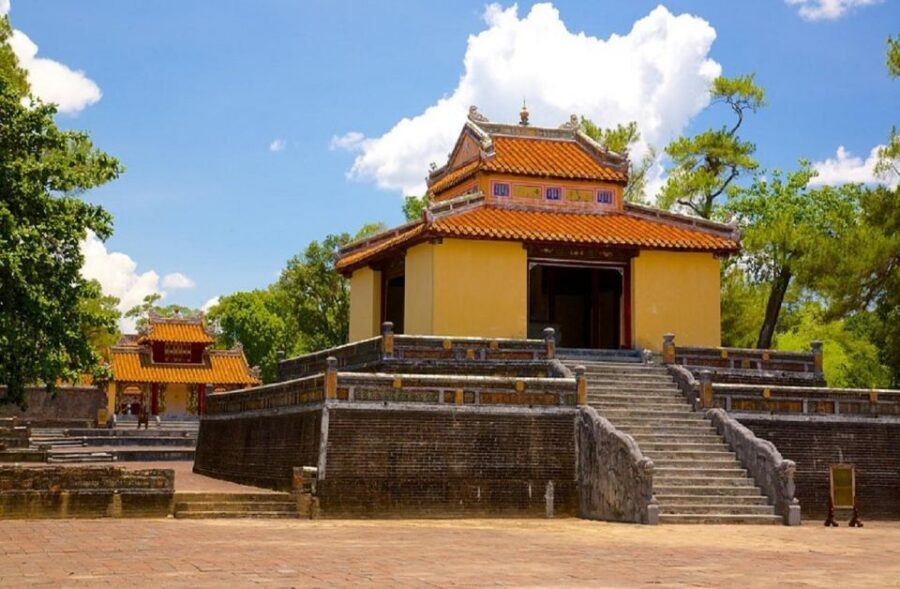
The price you’ll see starts low—around $13 per person in this setup. That’s the big reason this tour works for budget travelers: a lot of the value is in the organization, the driver, and the private boat experience.
But the major entries are not included:
- Royal Tombs: 150,000 VND per person for each tomb
- Imperial City: 200,000 VND per person
And the operator points you toward combo tickets. For example, there’s a combo ticket for Imperial City plus 2 tombs (420,000 VND) and another for Imperial City plus 3 tombs (530,000 VND), valid for two days.
Here’s how I’d think about value before you book:
- If you’re choosing the 2-tomb or 3-tomb option anyway, combos can reduce the hassle of buying separate tickets and may cost less than piecing everything together.
- If you’re not planning to enter Imperial City at all, you might skip the combo and just budget for the tomb tickets you truly need.
- If you love photography and want extra time, having the car and guide included usually saves you money versus doing it piece-by-piece with taxis.
Bottom line: the tour price buys you the smooth route and private transport; the tickets buy the gates. Plan your total cost early so there are no surprises when you arrive.
Private guide quality: why the day feels easy instead of rushed
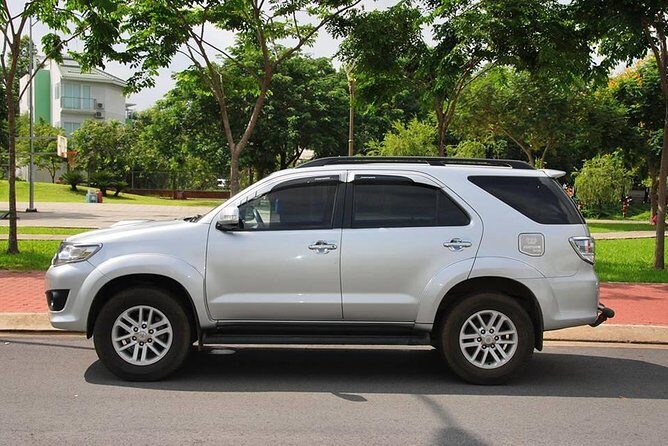
This is a private group tour, and you’ll be traveling with either a private car or mini van and an experienced driver. You also get an English-speaking guide (depending on your option), which is a big deal for Hue, because the tomb stories and Buddhist context matter.
In particular, guides named Hung and Nhi come up in the strongest reviews for clear explanations and flexible pacing. Other guides like Minh Sang, Misa, and Tony are also mentioned for friendliness, care, and adjusting timing when the weather gets intense.
What you should take from that, as a practical traveler: the difference between a “drive-by tour” and a truly useful day often comes down to whether the guide can adapt. In Hue, adaptation matters because tombs and pagodas don’t all feel the same in midday heat.
You’ll also notice common comfort details in feedback: air-conditioned transport is frequently mentioned, and guides sometimes offer water during stops. Even if you’ll bring your own snacks, having that support during a long walk day helps.
Time in Hue: how long it takes and how to pick the right option
Duration ranges from about 150 to 450 minutes. That wide range is your clue that the route changes based on how many tombs you choose and how many extra stops are included that day.
So how do you choose?
- If you’re short on time, pick the pagoda plus 1 tomb option. You still get the Perfume River start and Thien Mu’s full pagoda experience, then you focus your walking on one emperor tomb.
- If you want the best mix of variety and value, the 2-tomb option is usually the sweet spot. It gives you real contrast without turning the day into a marathon.
- If you’re a history fan and can handle heat and walking, the 3-tomb option lets you see more of the Nguyen Dynasty story arc.
If you’re traveling by train or plane, you can be picked up from the railway station for free of charge. Airport pickup is available from Phu Bai with an extra fee per person, and you’ll just need to share flight details for smooth coordination.
Small details that matter: heat, breaks, and where you’ll spend your energy
Hue in the warmer months can be tiring. Some feedback calls out that the last parts of the day can feel too hot if you hit them around noon. That’s not the operator’s fault, but it is something you can manage.
My advice:
- Wear breathable clothes and a hat. Use sunscreen. This sounds basic, but tomb grounds are exposed.
- Bring light snacks if you skip lunch, because you’ll spend time between sites.
- If you feel cooked, ask for extra photo/water breaks. Guides here are used to adjusting timing.
- Plan your water strategy. Even if water is offered during stops, you don’t want to gamble on how much you’ll need.
Should you book this Hue private dragon boat and royal tomb tour?
Yes, if you want an efficient Hue day that mixes the river, Buddhism, and the Nguyen Dynasty without turning it into a logistics puzzle. The private boat ride on the Perfume River plus Thien Mu Pagoda’s 7-floor structure is a strong pairing, and the tomb visits make more sense when a guide connects the dots between power and belief.
I’d skip or reconsider if you’re trying to keep total costs ultra-low and don’t want to pay separate tomb and Imperial City tickets. The tour price is attractive, but the tickets are the real add-on. Also, if heat drains you quickly, choose fewer tombs and aim for earlier pacing when possible.
If you go in with the right expectations—tickets budgeted, water packed, and tomb time planned—this is one of the easiest ways to see Hue’s highlights in a single, well-run stretch of the day.
FAQ
How long does the Hue Private Dragon Boat, Pagoda, and Royal Tomb Tour take?
The duration is listed as 150 to 450 minutes, depending on the option and starting times available.
What does the tour price include?
It includes pickup and drop-off (centered hotel/train station), a private car or mini van with an experienced driver, a private dragon boat cruise on the Perfume River, and an English live tour guide depending on your option.
Are entry tickets included for the Royal Tombs and Imperial City?
No. Royal Tomb tickets are listed at 150k per person per tomb, and Imperial City tickets are listed at 200k per person. Combo tickets may be available, depending on how many tombs you plan to visit.
Can I choose how many royal tombs to visit?
Yes. You can choose options that include Pagoda with 1 Tomb, Pagoda with 2 Tombs, or Pagoda with 3 Tombs. The included tomb sites can differ by option, so read the option details carefully before booking.
What does the dragon boat ride include?
You take a private dragon boat cruise on the Perfume River for about 20 minutes, with the boat taking you to visit Thien Mu Pagoda.
Does pickup include the railway station or airport?
Pickup from the railway station is free of charge. Pickup from Phu Bai Airport is available for an extra 6 USD per person.
What language is the tour guide?
The live tour guide language is English.
Is free cancellation available?
Yes. You can cancel up to 24 hours in advance for a full refund.