REVIEW · HUE VIETNAM
Hue: Full-day Echoes Of History Journey To Phong Nha Cave
Book on GetYourGuide →Operated by Hoi An Express · Bookable on GetYourGuide
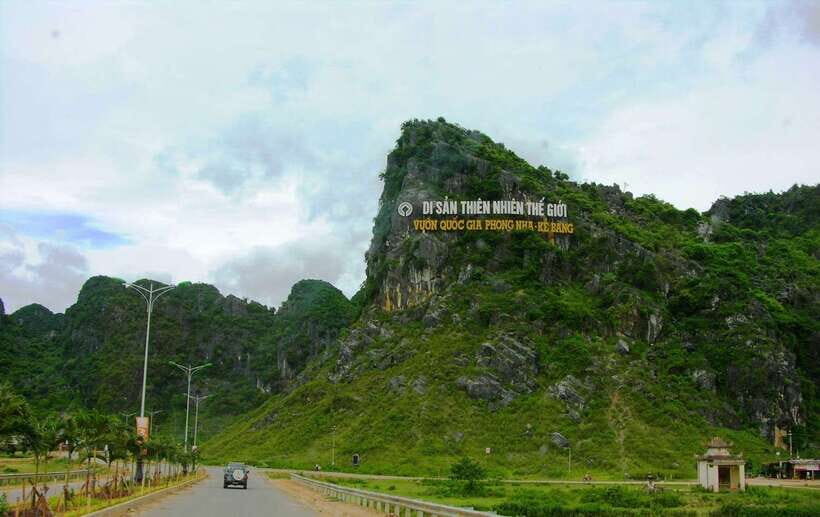
Phong Nha feels like another planet. This full-day trip from Hue pairs a UNESCO wet cave visit with the emotional reality of Vietnam’s former DMZ. I especially like how the day gives you two different kinds of wow: the scale of Phong Nha Cave and the still-stark symbolism of Hien Luong Bridge. With guide WAN and driver Ming, the pacing stays clear, and you’re not just “transported” from stop to stop.
Two standout parts for me: you get a guided look at key DMZ sites (including a stop at the Bến Hải River), and you also have time inside the cave to take it in at your own speed. A possible consideration is that this is a long day, and some of the time is spent on buses and in boats before you reach the cave areas—so come ready for an all-day sit-and-wait rhythm.
In This Review
- Key Points to Know Before You Go
- Hue to Phong Nha: A Long Day That Moves
- The DMZ Stops: Bến Hải River and Hien Luong Bridge
- Lunch at Nhà Hàng Chang Chang Quán: Fuel for the Cave
- Boat Cruise to Phong Nha: UNESCO Plus Real Scenery
- Entering the Cave: The Wet Cave Experience and What to Watch For
- Cham Altars and Inscriptions: Why the Dry Cave Section Matters
- Guide and Comfort: How WAN and Ming Make It Work
- Price and Value: Is $143 Fair for This UNESCO Day?
- Who This Tour Fits Best (and Who Should Think Twice)
- Practical Tips for Phong Nha Day: What Helps Most
- Should You Book This Hue-to-Phong Nha DMZ + Cave Day?
- FAQ
- How long is the Phong Nha Cave full-day trip from Hue?
- Do they pick you up from your hotel in Hue?
- What stops are included before the cave visit?
- How do you reach Phong Nha Cave during the trip?
- What do you do inside Phong Nha Cave?
- What’s included in the tour price?
- How big is the group?
Key Points to Know Before You Go
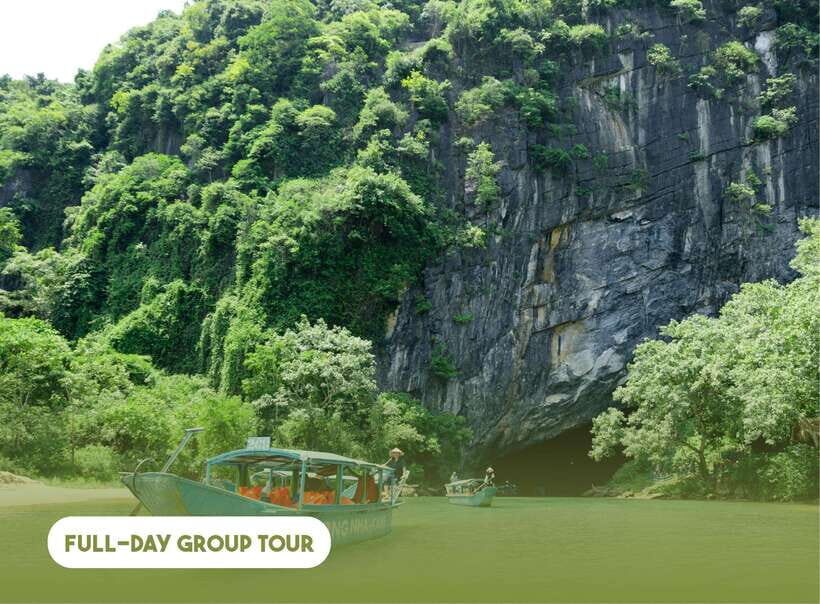
- UNESCO Phong Nha Cave (2003) with both boat time and guided-to-self mix inside
- DMZ history stops at the Bến Hải River and Hien Luong Bridge near the 17th parallel
- Wet-to-dry cave route: boat cruise, then a water-cave ride and a roughly 500-meter walk in the dry section
- Cultural remnants underground: Cham altars and inscriptions you’ll be able to spot during the dry cave walk
- Small group feel with a maximum of 15 travelers, plus hotel pickup in central Hue
- Rain-ready experience: even with heavy rain, the cave schedule still runs and the day can stay enjoyable
Hue to Phong Nha: A Long Day That Moves
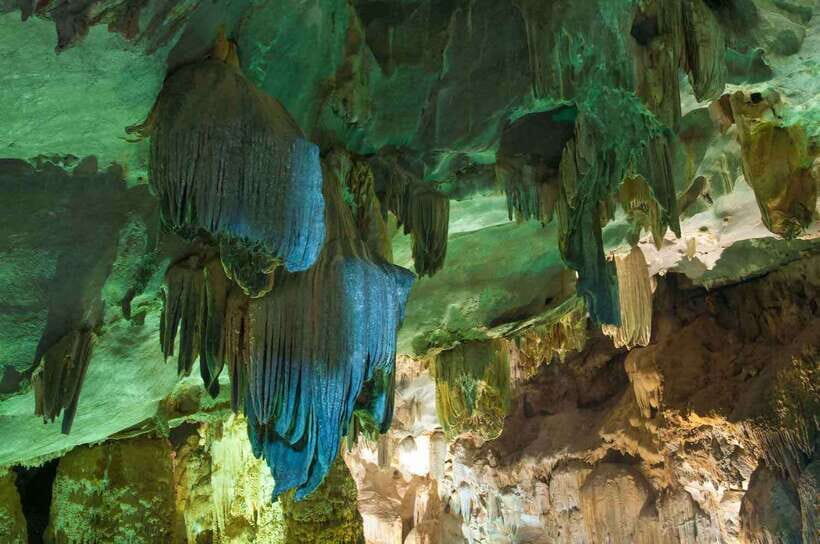
This is a 12-hour tour that starts with pickup in Hue City Center and then focuses on getting you out to Quang Binh Province in one smooth stretch. The ride is long enough that you’ll appreciate the air-conditioned bus, plus the tour includes bottled drinking water to keep you from feeling constantly thirsty while you wait for the next stop.
What makes the timing worth it is the structure of the day. You’re not only going to a cave; you’re going to a cave with context. On the way, you’ll stop at major Vietnam War-era locations, which helps the day feel like more than sightseeing.
The tradeoff is simple: you’ll spend a good chunk of your day in transit and at set moments (boat departure, pickup points, lunch seating). If you dislike rigid schedules, plan for that. If you can handle a full-day outing, the payoff is real.
If you're still narrowing it down, here are other tours in Hue Vietnam we've reviewed.

The DMZ Stops: Bến Hải River and Hien Luong Bridge
The first emotional anchor is the Bến Hải River area, where you get a guided visit with a short walk and sightseeing time (about 30 minutes). This is where the trip starts connecting the cave visit to the place’s modern identity. Even in a quick stop, it sets a tone: this region isn’t just scenic—it’s historically loaded.
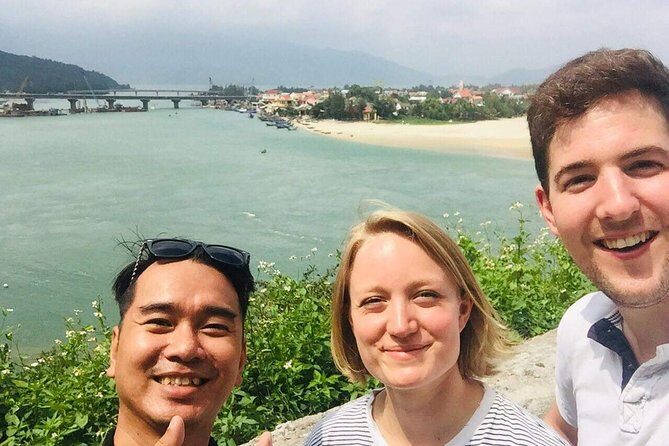
Then comes Hien Luong Bridge, located in the Demilitarized Zone at the 17th parallel. This bridge mattered because it divided Vietnam into two regions from 1954 to 1975: the North, managed by the Democratic Republic of Vietnam, and the South, governed by the Republic of Vietnam. The bridge itself is the headline, but what your guide gives you is the understanding—why this spot still matters, and why you’re looking at a boundary rather than just a structure.
Here’s the practical angle: even if you already know the broad story, the guided framing makes the stops more meaningful. You’ll get a clearer sense of what you’re seeing, instead of just taking photos in a wide-open place.
Lunch at Nhà Hàng Chang Chang Quán: Fuel for the Cave
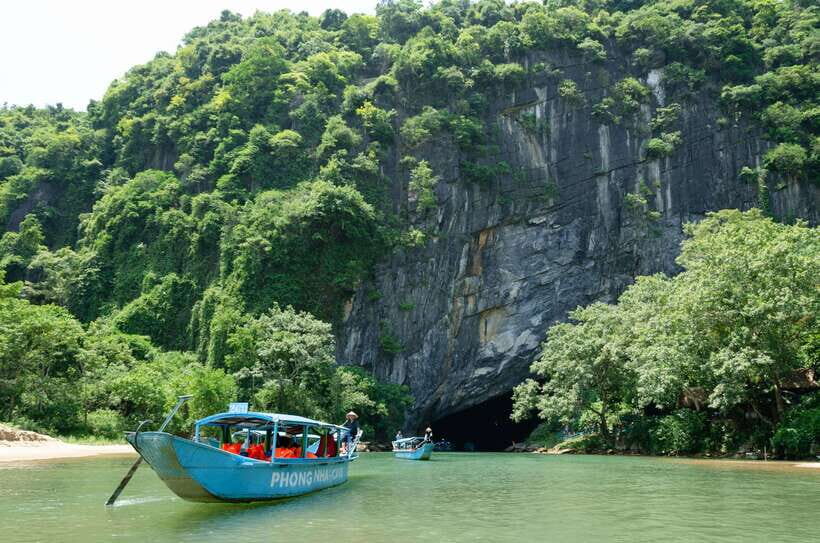
After the DMZ portion, you’ll sit down for lunch at Nhà Hàng Chang Chang Quán. The lunch window is about 1 hour, and having a scheduled meal matters on a day like this because the cave portion can take longer than you expect if you’re stopping to look closely.
I like that lunch is included. When you’re paying a single per-person price and the trip already covers your main logistics (transport, entrance fees, boat, guide), adding lunch keeps you from spending your energy hunting for food or worrying whether you’ll find something that works in time.
A heads-up: lunch timing is fixed, and the day continues right after. If you’re picky or have dietary needs, it’s worth being realistic that you’ll need to eat within the tour’s plan. The upside is that you won’t end up eating late.
Boat Cruise to Phong Nha: UNESCO Plus Real Scenery
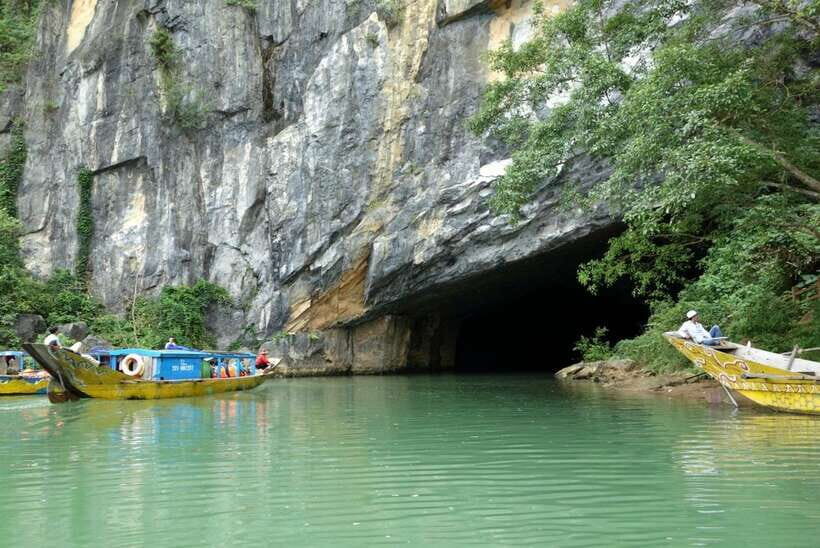
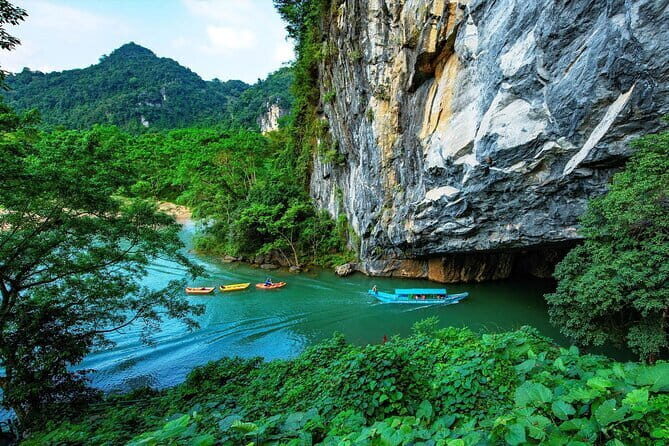
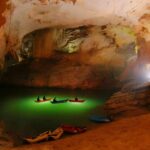
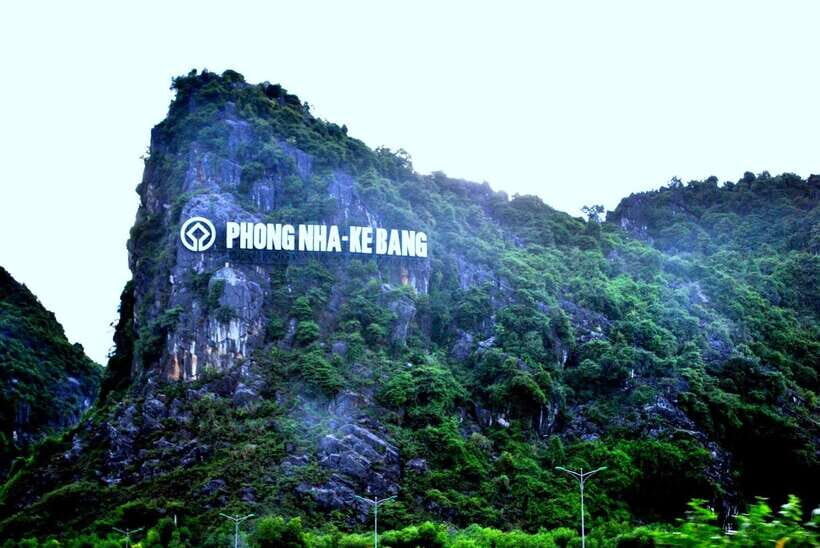
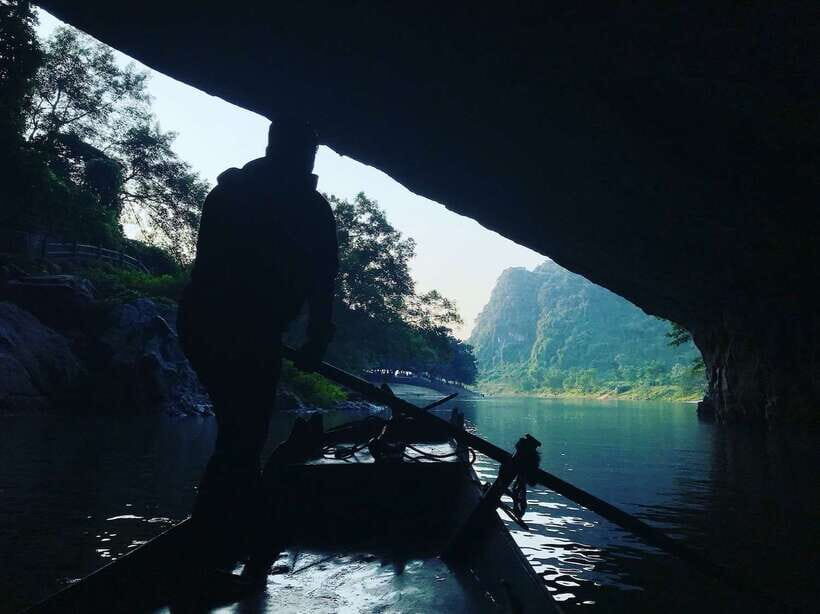
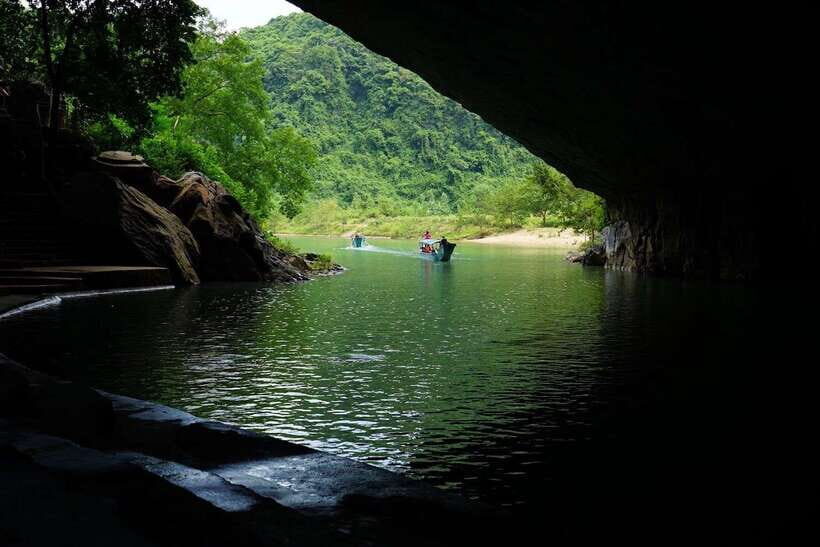
Once lunch is done, the day shifts into “movement” mode again. You’ll board a boat for a scenic cruise along the river toward Phong Nha Cave. The cave itself is a UNESCO World Heritage Site (2003), and you can feel why people go: the setting is part of the experience, not just a transfer.
The tour schedule gives you around 2 hours at the cave area total, combining boat cruising with sightseeing and a self-guided section. That matters because it balances interpretation with freedom. You’ll get enough structure to understand what you’re seeing, then you’re allowed to slow down and wander within the allowed areas.
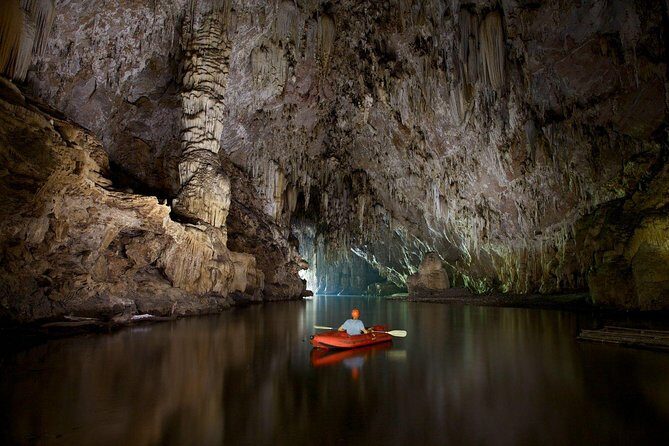
This is also where the “wet cave” concept becomes more than a phrase. You’re not dealing with a dry, dusty show cave experience only. Your approach leads you into the cave systems where the water-driven character is a big part of what makes Phong Nha famous.
If you’re traveling with someone who needs breaks from constant history facts, this section is a good reset. The cave environment gives your brain a chance to switch from dates and boundaries to formations and scale.
Entering the Cave: The Wet Cave Experience and What to Watch For
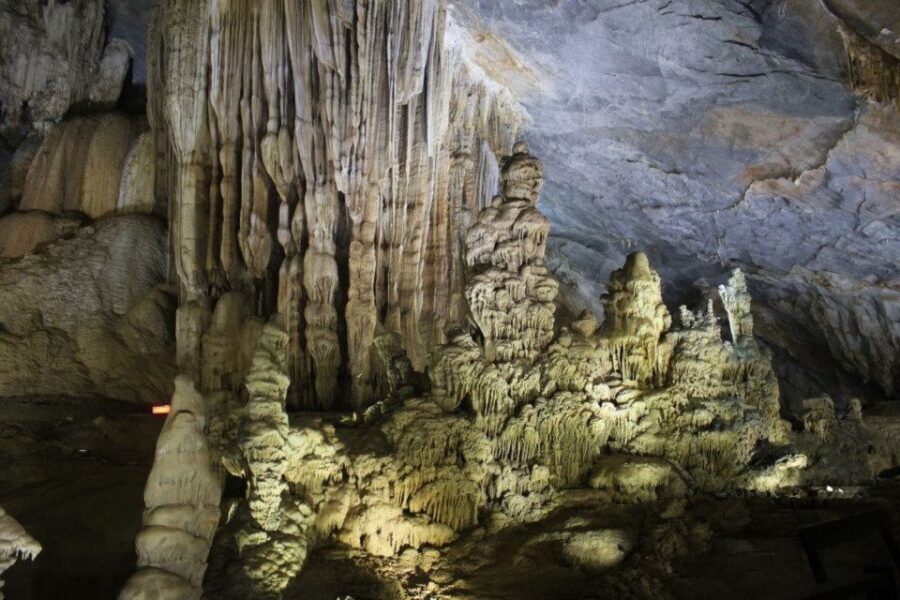
Your cave route includes a sequence that turns the day into a natural progression. After the main cave approach, you’ll take a 25-minute ride to the water cave. Then you’ll walk about 500 meters to explore the dry cave portion.
The key idea here is that you’ll experience more than one “mode” of the cave. Even if you’re not a cave nerd, you’ll likely notice how the feel changes between the water-cave side and the dry-cave side. That contrast is a big reason the trip feels complete, rather than like a single long tunnel walk.
You’ll also be looking for details connected to human presence, not just rock. During the dry cave walk, you’ll have the chance to discover remnants of Cham altars and inscriptions. That adds a layer that many caves don’t offer. It’s where the “Echoes of History” theme becomes tangible: you’re not only seeing geology, you’re seeing traces of belief and writing tied to the region’s past.
Practical note: cave conditions can make surfaces slippery. Wear shoes you trust. And be ready for slow, steady pacing rather than a quick power-walk through.


Cham Altars and Inscriptions: Why the Dry Cave Section Matters
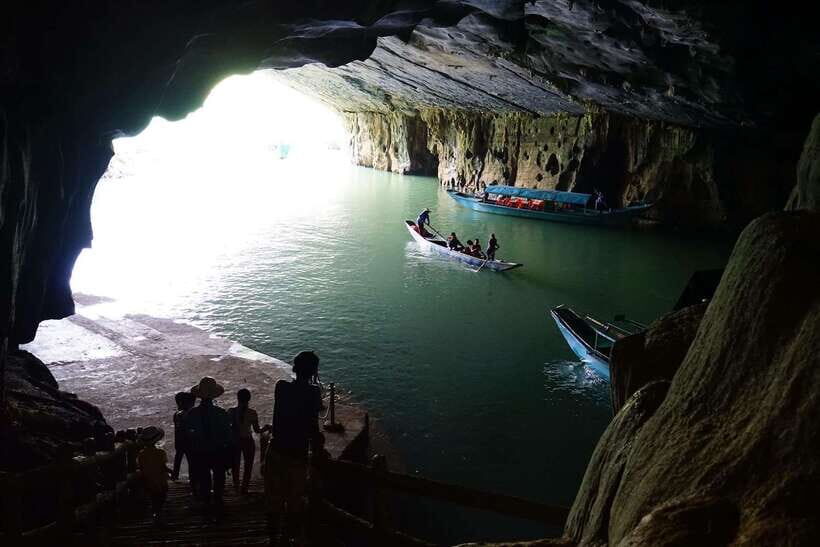
The dry cave section is the most culturally focused part of the itinerary. The walking segment is about 500 meters, and within that space you’ll be able to spot Cham altars and inscriptions.
Even if you can’t read the inscriptions, the presence of these remnants changes your perception of the cave. It stops being only a natural attraction and starts feeling like a space that people used, respected, or left messages in. That’s the kind of detail that sticks long after your photos are sorted.
If you want to get the most out of this part, don’t treat it as a speed-through stop. Look for the guide’s cues, pause to examine areas you’re directed to, and give yourself a minute or two longer than you would in a standard sightseeing stop.
The other benefit: after the more “grand” feeling of wet cave exploration and boat time, the dry cave walk gives you something hands-on and grounded. It’s where you’ll feel most involved.
Guide and Comfort: How WAN and Ming Make It Work
This tour runs with an English-speaking tour guide, and other languages may be available on request with a surcharge. The guide also matters because the day combines two heavy topics: DMZ history and cave science/formation interpretation. With a good guide, you don’t feel lost or rushed.
In the standout experience I’m drawing from, WAN was the guide and Ming was the driver, and the pair kept the experience flowing smoothly. Even on days when weather turns dramatic, a strong guide helps you keep your humor and your expectations aligned with what’s actually happening.
Comfort is handled in the practical ways you’d hope for:
- Air-conditioned transportation
- Bottled drinking water
- Hotel pickup and drop-off in central Hue
- Travel insurance included
- A smallish max group size of 15 travelers
Small group size is underrated. It often means less crowd pressure at transitions and a better chance that your questions get answered without the guide doing a hurried script.
Price and Value: Is $143 Fair for This UNESCO Day?
At $143 per person, you’re paying for much more than a cave ticket. This price bundles:
- Round-trip transportation from Hue (with air-conditioning)
- Hotel pickup and drop-off (central Hue)
- Entrance fees
- Lunch
- Boat trip
- A guided English experience
- Bottled water
- Travel insurance
On a day like this, the biggest hidden costs are often time and coordination—especially when the destination is far and the cave visit includes boat segments and set transfer times. When you compare that to piecing the day together on your own, this package-style cost can start to look like good value, especially if you’d rather not stress about transit timing.
Is it budget travel? Not really. But it is “pay once, get a complete day” travel. For many people, that’s exactly what they want when traveling through Central Vietnam and trying to fit one major highlight without burning vacation time on logistics.
Who This Tour Fits Best (and Who Should Think Twice)
This experience makes the most sense if you like at least one of these:
- Vietnam War / DMZ context and you want it explained with clarity at the actual sites
- Phong Nha Cave and you want an efficient visit that includes boat time and both cave sections
- A structured full day where lunch and major entrances are handled for you
It may be less ideal if:
- You prefer shorter outings with minimal transfers
- You get uncomfortable with long days on buses and boats
- You’re expecting a totally flexible itinerary with lots of free time
The walking you should plan for is light-to-moderate: a short walk at Bến Hải River and about a 500-meter walk in the dry cave portion. If you have mobility concerns, this is the part to take seriously and consider whether your comfort matches that pace.
Practical Tips for Phong Nha Day: What Helps Most
Caves and coastal-style regions can mean sudden rain. One important consideration is weather. On at least one run of this tour, the conditions were extremely rainy, but the experience still worked and the day stayed fun. The takeaway for you is to come prepared rather than assuming perfect conditions.
What I’d do:
- Wear shoes with solid grip for cave floors
- Bring a light rain layer or poncho for the boat/transfer moments
- Keep your daypack simple so you aren’t juggling too much in and out of transport
- Bring a bit of patience for the schedule—this is built around set departure times
Also, use the guide’s English interpretation as a tool. The DMZ stop descriptions and the cave cultural remnants like Cham altars and inscriptions are much easier to appreciate when you’re not just guessing.
Should You Book This Hue-to-Phong Nha DMZ + Cave Day?
If you’re choosing one big day trip from Hue that combines natural wonder with real place-based history, this one is a strong contender. You get UNESCO Phong Nha Cave, boat cruising, and a guided route that adds Bến Hải River and Hien Luong Bridge history rather than treating those stops like quick photo stops. The small group limit (up to 15) and inclusion of lunch, entrance fees, and transport make the overall value feel practical.
I’d book it if you want a complete, well-timed package and you enjoy learning while you travel. I wouldn’t book it if you’re trying to avoid long travel time or you dislike structured itineraries. For most people visiting Central Vietnam, this is a day that pays you back in both scenery and meaning.
FAQ
How long is the Phong Nha Cave full-day trip from Hue?
The tour runs for about 12 hours. Exact starting times depend on availability.
Do they pick you up from your hotel in Hue?
Yes, pickup and drop-off are included for hotels in Hue City Center. Pickup is optional if you prefer a different arrangement.
What stops are included before the cave visit?
You’ll visit the Bến Hải River area and Hien Luong Bridge in the Demilitarized Zone, followed by lunch before heading to Phong Nha Cave.
How do you reach Phong Nha Cave during the trip?
After lunch, you take a boat cruise along the river to Phong Nha Cave.
What do you do inside Phong Nha Cave?
You take a 25-minute ride to the water cave, then walk about 500 meters to explore the dry cave. You also get to see remnants such as Cham altars and inscriptions.
What’s included in the tour price?
The package includes hotel pickup/drop-off in Hue City Center, air-conditioned transportation, entrance fees, lunch, boat trip, bottled drinking water, an English-speaking guide, and travel insurance.
How big is the group?
The tour has a maximum of 15 travelers, and private group options are available.