REVIEW · HUE VIETNAM
Hue Customizable Tour with Imperial Citadel & Forbidden City
Book on GetYourGuide →Operated by Adventure Journey Vietnam · Bookable on GetYourGuide
Hue’s royal walls are way more fun with a guide.
This customizable tour turns the Imperial City into a story you can follow, from Nine Holy Cannons to the Forbidden Purple City. I especially like that you can choose a walking tour with live guidance or a private car day to pick your own sights. The one thing to think about is that entrance tickets aren’t included, so you’ll want to budget a bit extra before you arrive.
The best part is how the route is structured so you don’t get lost in courtyards and gateways. I also like the human side: guides like Ha, Misa, and Duy bring the Nguyen emperors to life in clear, practical ways, and they actually make time for questions. A small consideration: if you pick the private car option, the English-speaking driver is for transport and communication, not a full guiding license.
In This Review
- Quick hits you’ll care about
- Hue Imperial Citadel: Why this tour works (and where it can trip you up)
- Meeting at Cửa Ngăn: the Bronze Cannons spot you shouldn’t miss
- Nine Holy Cannons to Ngọ Môn: the Imperial entrance story
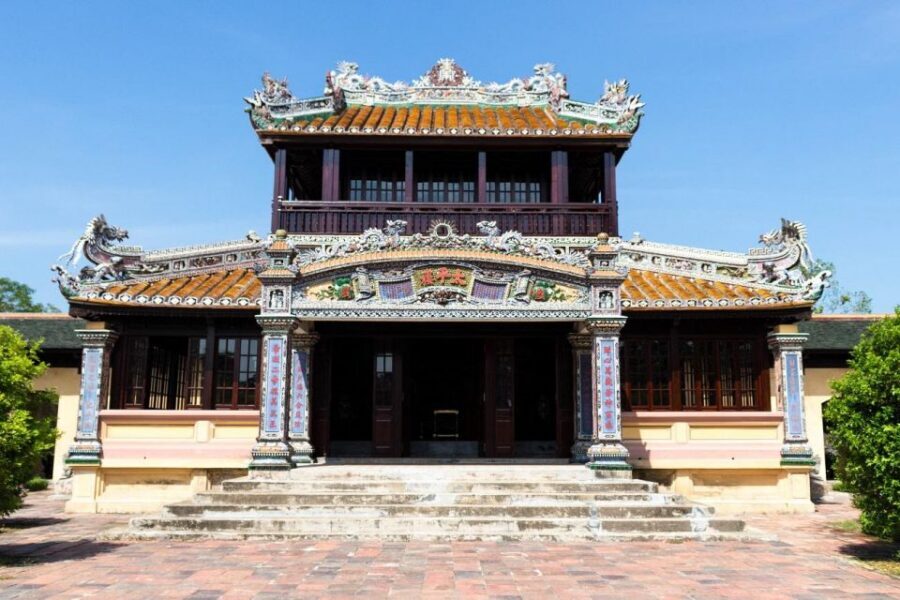
- Thai Hòa Palace and Hien Lâm Pavilion: where ceremony becomes architecture
- Nine Dynastic Urns and the Mieu Temple: symbolic math you can actually follow
- Đại Nội and the forbidden zone feel: when Hue changes from public to private life
- Pavilions, gardens, and extra corners: how the long walk stays manageable
- Free time inside Hue Imperial City: where to slow down and look
- Private car option: build a full Hue day around tombs and pagodas
- Price and tickets: getting real value out of the low base cost
- Who should book this Hue Imperial Citadel and Forbidden City tour?
- Should you book this tour?
- FAQ
- Where is the meeting point for the walking tour?
- Is the Imperial City entrance ticket included?
- How much is the Imperial City ticket?
- Are there combo tickets for the Imperial City and tombs?
- How long is the walking tour inside Hue’s citadel?
- Does the private car option include a tour guide?
- Can I customize what I see in Hue with the private car?
- Does pickup come with the tour?
- What language is the tour guide?
- Is free cancellation available?
Quick hits you’ll care about
- Two tour styles: a walking option inside the citadel, or a private car day you can shape around Hue’s big sights
- A guided orientation fast: you start at the Bronze Cannons area near Cửa Ngăn, so the site makes sense sooner
- Royal-court details: you’ll hear how emperors lived with wives, concubines, and eunuchs, not just dates and names
- Photo stops built in: the pacing includes breaks and viewpoints, useful when it’s hot
- Ticket strategy matters: you can use Imperial City combo tickets if you also plan tombs
Hue Imperial Citadel: Why this tour works (and where it can trip you up)
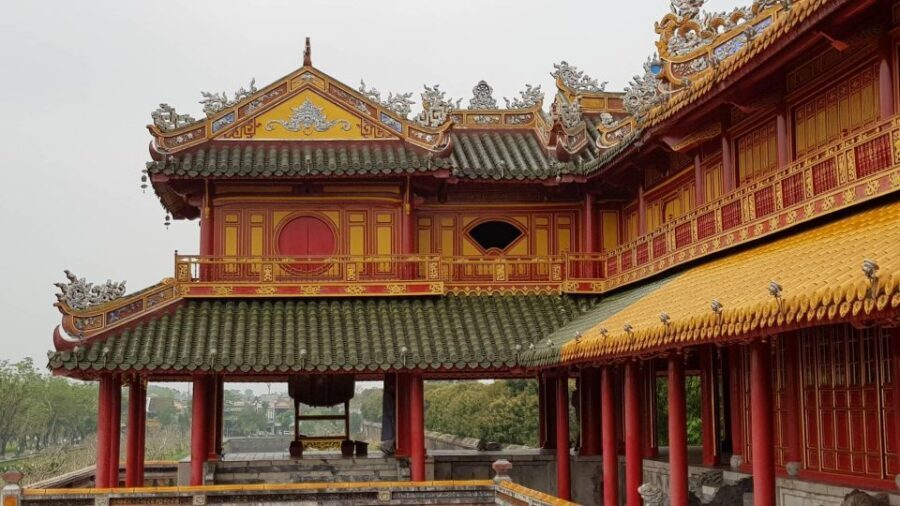
Hue’s imperial complex can feel like a maze if you only wander. You see impressive gates, big halls, and layered walls—but without context, it’s easy to miss what each place was for. This tour is designed to give you the “logic” behind the design: how power, ceremonies, and daily royal life were organized inside the Nguyen Dynasty capital.
Another reason it works: you get a route that mixes major landmarks with short explanations in the right places. That matters when you’re surrounded by stone symbols, royal architecture, and layouts tied to older beliefs. If you want a smoother experience, start with the walking tour option so a guide can translate the site while you’re standing in front of it.
The one potential snag is budgeting. The tour price is low, but you still need entry tickets for the Imperial City grounds. If you plan tombs too (very common with Hue), it can be smarter to buy combo tickets that include Imperial City plus tomb visits.
If you're still narrowing it down, here are other tours in Hue Vietnam we've reviewed.



Meeting at Cửa Ngăn: the Bronze Cannons spot you shouldn’t miss
Your walking tour meeting point is at 4 Bronze Cannons near Ngan Gate (Cửa Ngăn) in the Hue Citadel area. The note that helps most people: there are five cannons on the opposite side too. That’s the kind of detail that prevents the classic 10-minute “where are you?” scramble.
When you arrive, look for the guide holding an A4 paper with your name. From there, the tour moves into the Imperial Citadel zone with a structured start, which helps you get oriented before you walk deeper into the complex.
Even if you’re an independent traveler, this first step is worth it. The citadel looks symmetrical in places, so early orientation saves time and energy later.
Nine Holy Cannons to Ngọ Môn: the Imperial entrance story
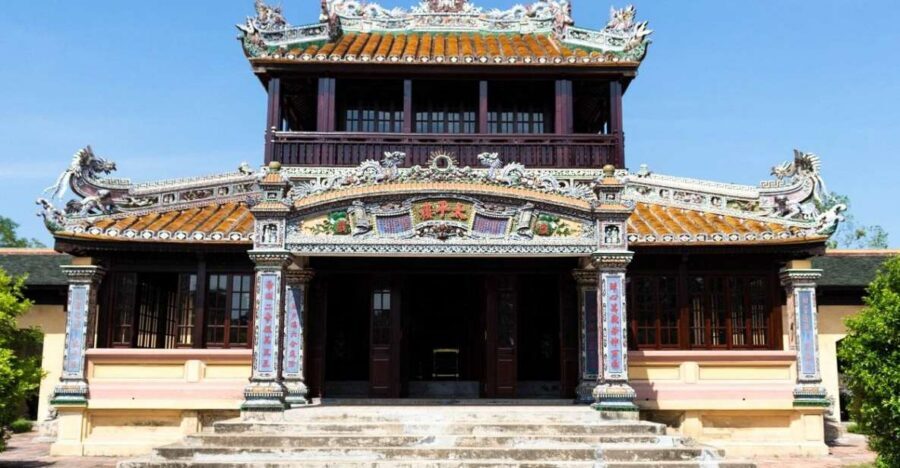
Most guides can tell you what a monument is. This tour focuses on what it meant. Early on, you’ll visit the Nine Holy Cannons (Cửu Vị Thần Công), nine bronze pieces tied to Hue’s craftsmanship during the early Nguyen period. They were cast in Gia Long’s second year (1803) and treated as major works of bronze art.
You’ll also hear how these cannons relate to the citadel’s entrances—especially near the Ngo Mon Gate area (the imperial city’s gateway) and how they were later relocated during the reign of King Khải Định. It’s not just trivia. It helps you see why the site’s “props” are part of a bigger plan.
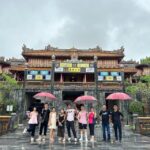
Next comes key ceremonial and architectural stops, including the Noon Gate / South Gate (Ngọ Môn Huế), built in 1833 in traditional Vietnamese style under King Minh Mạng. You’ll learn how the gate was used for ceremonies and troop movements. Then the walk continues toward the Flag Tower (Kỳ Đài Huế), where the royal court used flags as part of court communication and visual order.
If you’re the kind of person who likes to understand the “rules” of a place, this sequence gives you the rules fast.
Thai Hòa Palace and Hien Lâm Pavilion: where ceremony becomes architecture
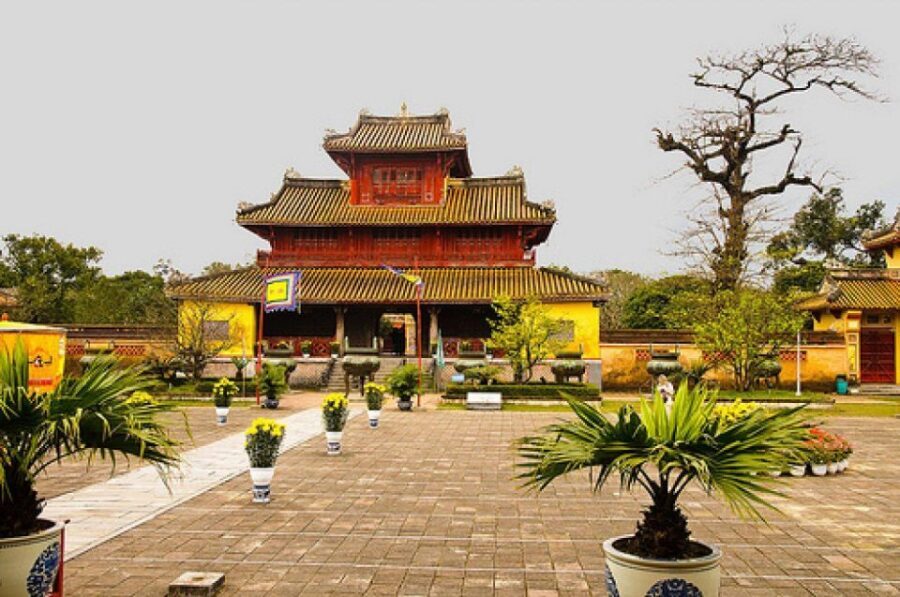
Inside the Imperial City, the tour shifts from outer symbolism to core power. The Supreme Harmony Palace (Điện Thái Hòa) is the coronation place for multiple Nguyen kings—from Gia Long to Bao Dai—so it’s one of the best stops for grasping how authority was staged.
Standing here helps you understand why the Nguyen dynasty placed such weight on order and ritual. This is the “center” type of space people imagine when they picture an imperial capital—big, formal, and built to impress.
Then you’ll move on to the Hien Lâm Pavilion, which functions as part of the ceremonial and architectural system around the main palace zone. Even when smaller than the biggest halls, these pavilion stops matter because they connect the larger story: the citadel isn’t just a set of famous buildings. It’s a designed experience.
A bonus here is how guides adjust the pace. Guides like Misa and Duy are known for keeping explanations clear and at a level that lets you still look around independently afterward.
Nine Dynastic Urns and the Mieu Temple: symbolic math you can actually follow
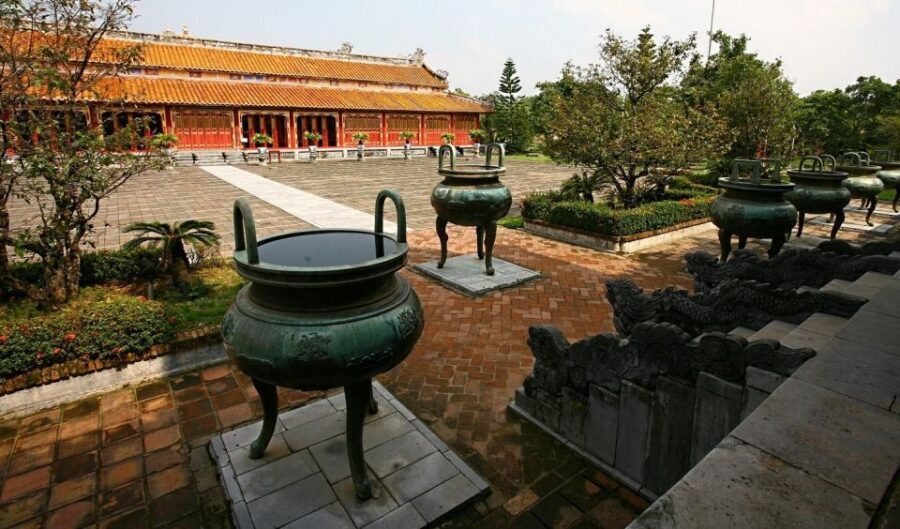
One of the most interesting learning moments is the Nine Dynastic Urns (Cửu Đỉnh Huế)—nine bronze urns commissioned by Emperor Minh Mạng in 1835, with inauguration later in 1837. These aren’t just decorative objects. They tie the system of the empire into the geography and ceremonial focus of the citadel.
Next come temple spaces connected to dynastic worship, including The Mieu Temple (Thế Miếu Huế). The tour frames these temples as places built to honor multiple Nguyen kings, including how the complex supports the idea of long-term dynastic authority.
A detail that really helps your understanding: guides often connect the design choices to older belief systems—like how the layout and symbols relate to Confucian ideas, feng shui concepts, and Buddhist influences. That’s the kind of context that turns a photo spot into something you can explain back home.




Đại Nội and the forbidden zone feel: when Hue changes from public to private life
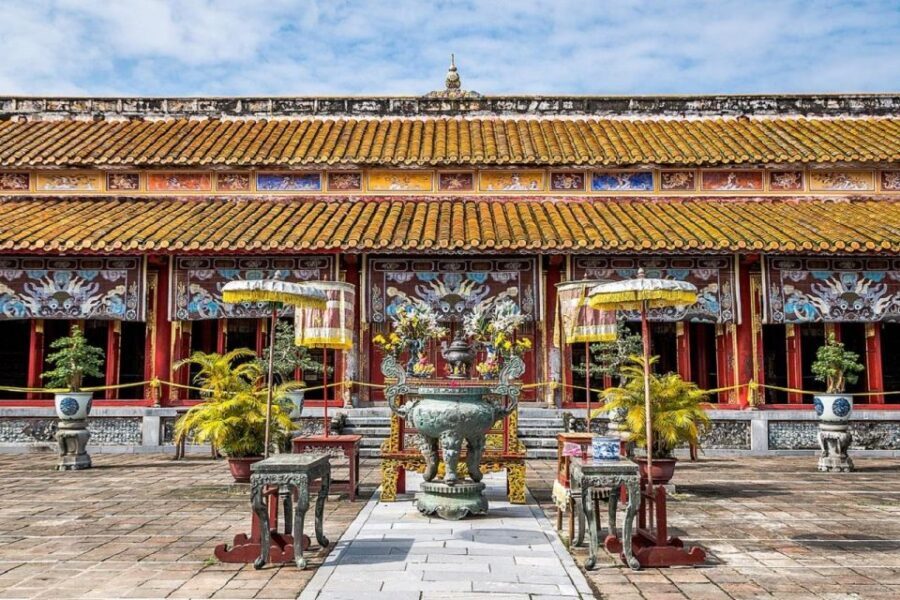
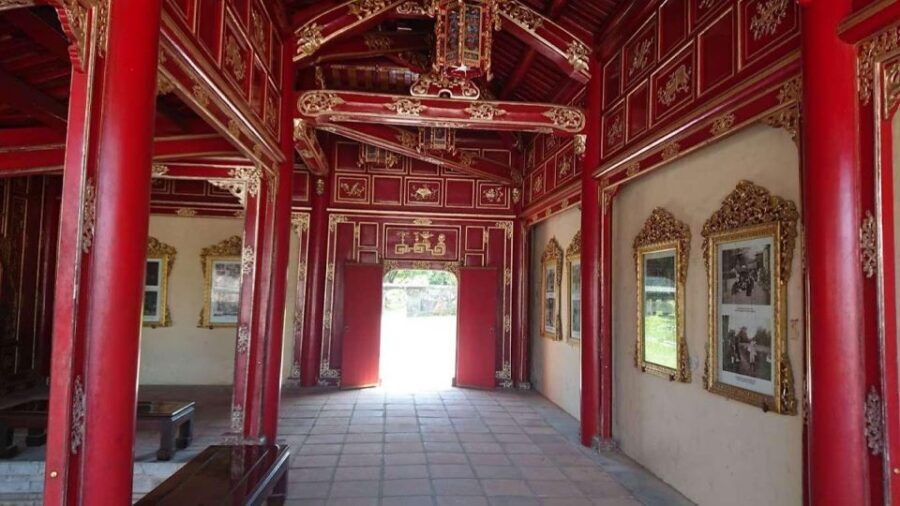
As you move deeper into the Đại Nội (Imperial Court / Inner Citadel) area, the tour starts to feel more like a shift in how people lived. The architecture gets more layered—more gates, more thresholds, more sense that access wasn’t meant for everyone.
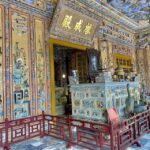
Then you reach the Forbidden Purple City (Tử Cấm Thành Huế), part of the ancient capital complex and the living area associated with the royal household. This is where you’ll hear the social side of imperial life: the emperors, their queens, minor wives, concubines, and also eunuchs who worked inside the system. It’s not presented only as scandal or gossip. It’s framed as a practical household arrangement that supported the court’s operations.
If you’ve visited other imperial sites, you might notice the same pattern: the “forbidden” label isn’t just about mystery. It’s about controlled movement and controlled roles.
This stop also helps you understand why the citadel feels different from a normal palace complex. It’s built to regulate who belongs, where they can go, and what they can do.
Pavilions, gardens, and extra corners: how the long walk stays manageable
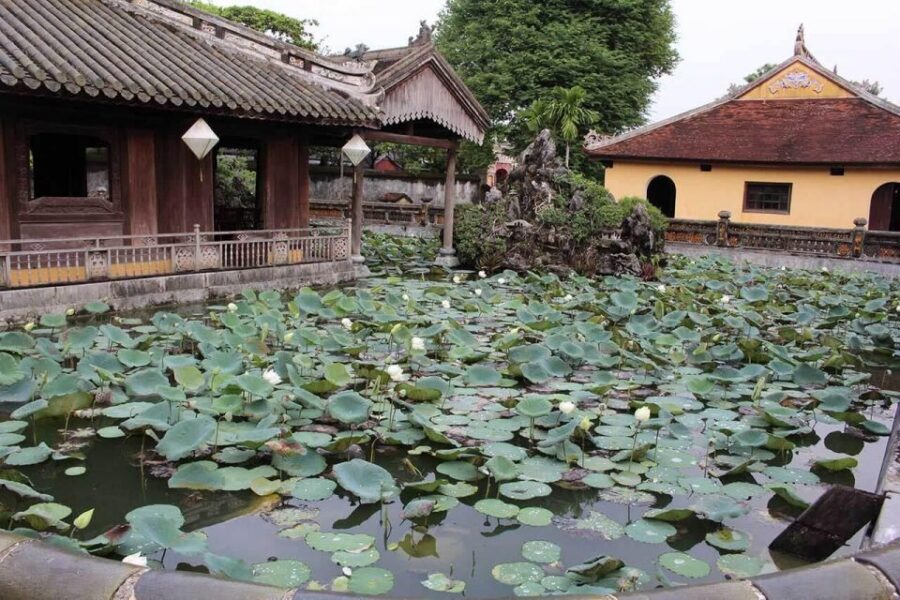
The walking tour route keeps moving through a sequence of palace and court structures and includes short photo and break moments. You’ll likely pass and stop at places such as Kiến Trung Palace, Thai Bình Pavilion, Thiệu Phương Garden, Duyệt Thị Đường Royal Theater, and additional temple areas like Triệu Tổ miếu and courtyards near gates such as Cửa Hiển Nhơn.
You might wonder why so many stops exist. The practical answer is that this isn’t one building tour. It’s a “site literacy” tour. By the time you’ve walked between multiple halls and courtyards, you stop treating them as unrelated landmarks and start seeing the system.
Weather matters here. Hue can be hot and sunny, and the pace includes pauses so you can step back, grab water, and regroup. A useful tip from how guides handle the heat: if you can, choose an early start time. In hot months, that can make the difference between enjoying the walk and rushing through it.
Free time inside Hue Imperial City: where to slow down and look
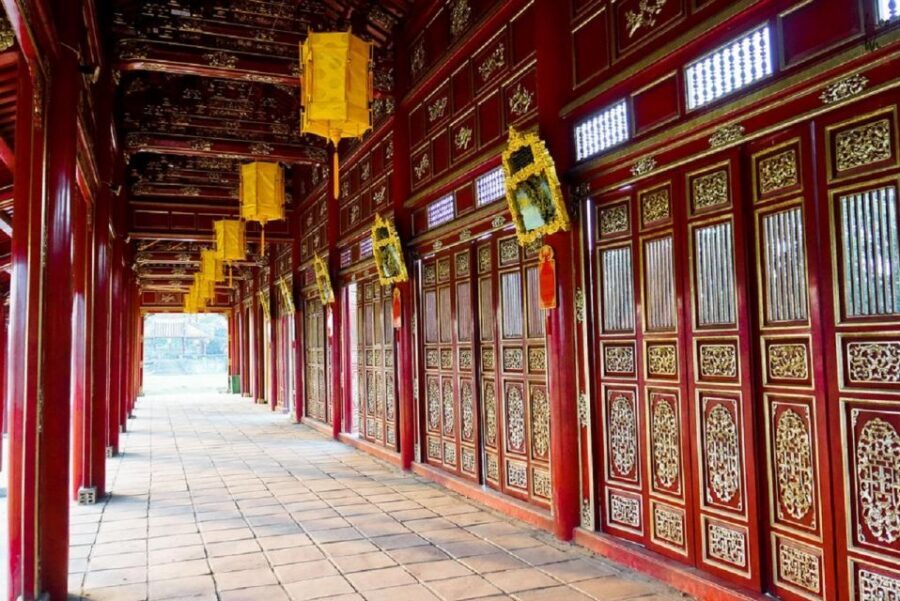
After the guided segments, you get time to explore more on your own around the citadel zone. That’s one of the smart parts of this tour format. The guide gives you the framework; then you can spend your “free time” on whatever caught your eye.
For me, that’s where you turn information into memory. If you only follow a guide from stop to stop, everything becomes a blur. If you get even a chunk of unscripted time, you can re-check details you liked—inscriptions, architecture edges, or viewpoints for photos.
Also, since entrance tickets are separate, you’ll want to make sure you understand your ticket choice before you use the free time to roam.
Private car option: build a full Hue day around tombs and pagodas
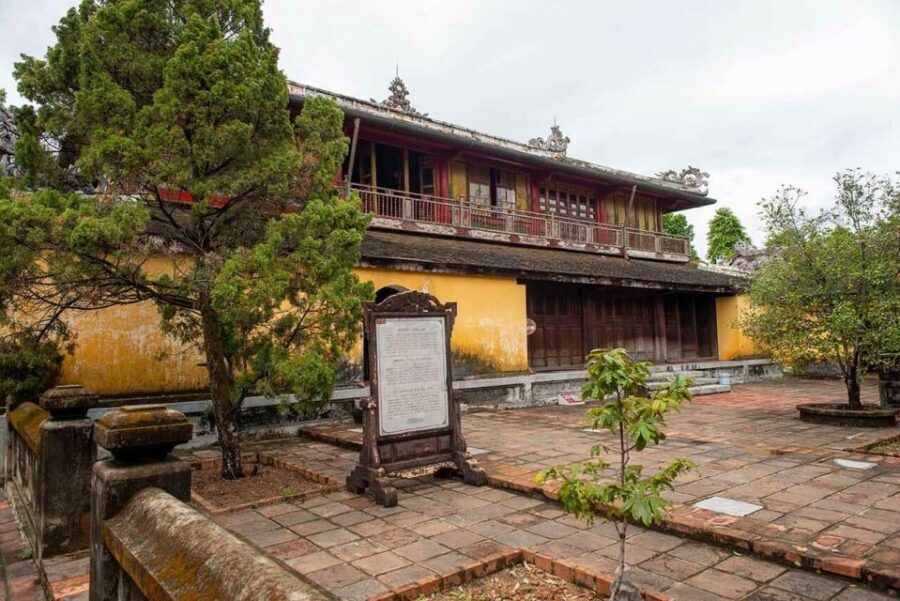
If you prefer less walking, the private car option can stretch the day to up to 8 hours depending on what you choose. The big advantage is flexibility: you can customize your route around top Hue sights.
Common choices include:
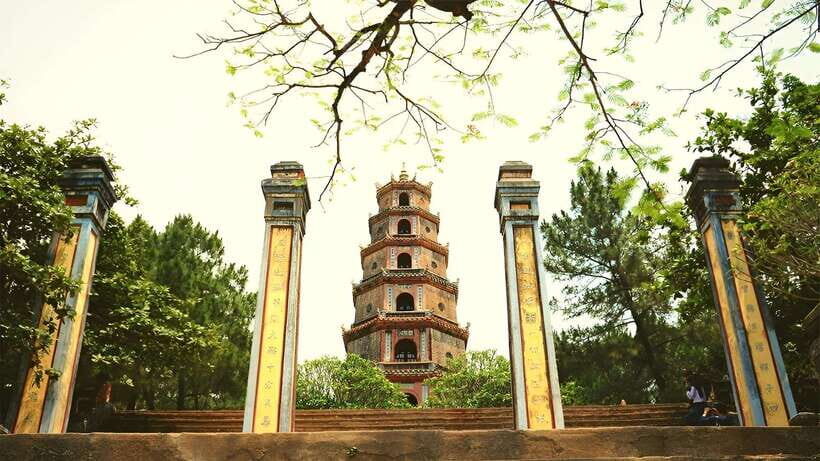
- Thiên Mụ Pagoda (a major Hue landmark and a classic cultural stop)
- Minh Mạng Tomb
- Tự Đức Tomb
- Khải Định Tomb
- Thủy Tiên Abandoned Water Park
Here’s the important practical note: the English-speaking driver is for communication and getting you around, but the description says it’s not like a licensed professional guide. So if you want deep storytelling while you’re driving between sites, you may need to manage that with a guide add-on or by using your own reading and phone research.
Still, the private car format is great if:
- you want control over timing,
- you’re traveling with someone who doesn’t love long walks, or
- you’re stacking multiple sites in one day.
Vietnam has two imperial citadels, and they read best as a pair: Discovering Hanoi covers the capital’s bookable side by review count for the northern leg, and the Thang Long Imperial Citadel site handles the Hanoi counterpart to the walls you are standing in here.
Price and tickets: getting real value out of the low base cost
The headline price is around $12 per person, which is hard to beat for a guided heritage experience. But the tour also clearly notes that entrance tickets aren’t included. The Imperial City ticket cost is listed as 200k/adult.
If you plan to include tombs too, consider combo tickets mentioned here: 420k for Imperial City with 2 tombs, or 530k for Imperial City with 3 tombs, valid in two days. Even if your day is one long afternoon, this can make ticketing feel less annoying and more predictable.
Value-wise, I think this is a strong deal if you:
- want a guide for the Imperial City segment (where explanations matter most), and
- plan at least one more Hue stop beyond the citadel.
If you only want to see a single zone with no interest in the tombs, then you should check ticket costs carefully so you don’t overbuy.
Who should book this Hue Imperial Citadel and Forbidden City tour?
This works especially well for you if you like history but don’t want it delivered like a textbook. The tour’s format is built around walking paths, gates, palaces, and court layout—so you get meaning, not just names.
It’s also a good choice if you:
- want English guidance,
- appreciate small-group or private-style pacing, and
- don’t want the hassle of figuring out what matters most inside the complex.
If you’re a solo traveler, there’s often an advantage. Several guides in the experience are described as tailoring the pace to your needs, including personal time for questions and space to move at your own speed.
Should you book this tour?
Yes—if you want Hue to make sense fast. The combination of a structured starting point near Cửa Ngăn, guided explanations of the nguyen royal system, and time to explore on your own is exactly how you get more out of the Imperial Citadel than “just photos.”
I’d book it especially if you’re planning more Hue sights anyway, because the ticket options for combos with tombs can improve value. The main reason not to book is if you only want a casual stroll and you’re totally fine reading the site without a guide. In that case, you might skip the guided portion and just go independently.
If you do book, go in expecting a walk with frequent mini-lessons, and bring sunscreen. Hue punishes slow days in the sun.
FAQ
Where is the meeting point for the walking tour?
You meet the guide at the 4 Bronze Cannons Area near Ngan Gate (Cửa Ngăn) in the Hue Citadel.
Is the Imperial City entrance ticket included?
No. The tour price does not include entrance tickets to the Imperial City.
How much is the Imperial City ticket?
The Imperial City entry ticket is listed as 200k/adult.
Are there combo tickets for the Imperial City and tombs?
Yes. Combo options mentioned include 420k for Imperial City with 2 tombs, or 530k for Imperial City with 3 tombs, valid in two days.
How long is the walking tour inside Hue’s citadel?
The walking tour includes about 2.5 hours walking in the Hue Imperial Citadel and Forbidden City.
Does the private car option include a tour guide?
No. The private car option includes an English-speaking driver for communication, but it’s not described as a licensed professional guide.
Can I customize what I see in Hue with the private car?
Yes. You can customize your day to include sights such as Thiên Mụ Pagoda, Minh Mạng Tomb, Tự Đức Tomb, Khải Định Tomb, and Thủy Tiên Abandoned Water Park.
Does pickup come with the tour?
Pickup/drop-off is included for private car trips in city-centered hotels in Hoi An/Hue and at train stations and Phu Bai Airports in Hue. Extra charge may apply if you’re outside the city center.
What language is the tour guide?
The tour guide is listed as English.
Is free cancellation available?
Yes. You can cancel up to 24 hours in advance for a full refund.