REVIEW · HUE VIETNAM
Phong Nha/Dong Hoi: DMZ Tour – Vinh Moc & Khe Sanh Base
Book on GetYourGuide →Operated by SOVABA TRAVEL · Bookable on GetYourGuide
Caves, bridges, and battlefields in one long day. I like this DMZ trip because it mixes jaw-dropping Vinh Moc Tunnels with a story-led English guide who explains what you’re seeing in plain, human terms. You’ll walk through the kinds of places most visitors only hear about in headlines.
One practical catch: it’s a long ride day, with substantial driving between stops, so you’ll want snacks and comfy shoes.
In This Review
- Key Points You Should Care About
- Leaving Dong Hoi Early: Long Hours, Clear Direction
- Quang Tri Citadel: The 1972 “Land of Fire” Stays In Your Head
- Route 9 and Da Krong Bridge: The Ho Chi Minh Trail, Explained by Roads
- Ta Con Airport (Khe Sanh): Where the Siege Feels Like It Could Happen Again
- Lunch in Quang Tri: Fuel for a Full Afternoon
- Vinh Moc Tunnels: Three Levels of Civilian Survival
- Hien Luong Bridge and the Ben Hai River: Seeing the 17th Parallel in Person
- La Vang Holy Sanctuary Photo Stop, Then Back to Dong Hoi or Hue
- Price and Value: Is $83 a Fair Deal for This Amount of Driving?
- Comfort Tips That Actually Help on This DMZ Day
- Who Should Book This DMZ Tour, and Who Should Skip It
- Should You Book This DMZ Tour from Phong Nha or Dong Hoi?
- FAQ
- What time does the tour start?
- How long is the day?
- What key sites are included in the trip?
- Is lunch included, and can I request a vegetarian meal?
- Are entrance tickets covered?
- What language is the guide?
- What should I bring or wear?
- Does the tour provide water and towels?
- Is it okay if I have mobility issues or claustrophobia?
- Are there extra fees on holidays?
- Is cancellation possible for a refund?
Key Points You Should Care About
- Vinh Moc Tunnels, 3 levels over 2 km: you’ll see how people tried to live and care for one another underground during bombing raids.
- Quang Tri Citadel’s 81-day battle: the site is a focused lesson in 1972 fighting and what endurance looked like on the ground.
- 17th Parallel at Hien Luong–Ben Hai: you get the North/South divide made visible through landmarks you can stand next to.
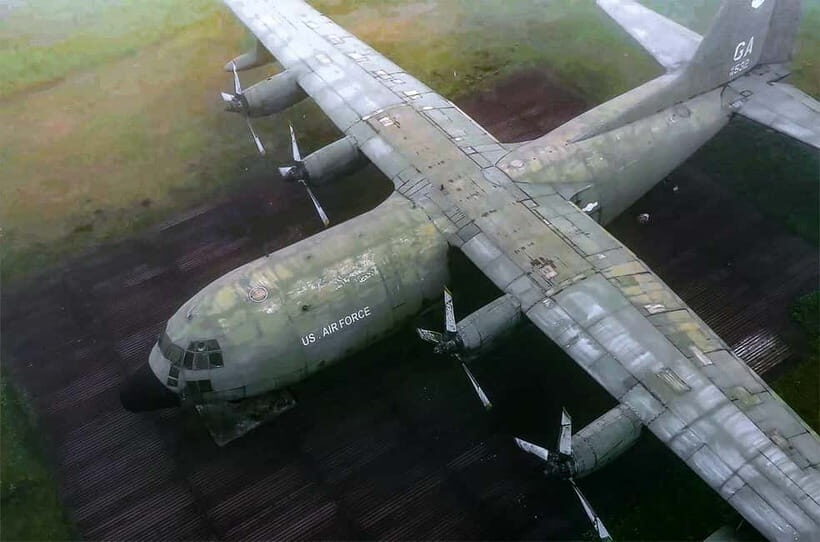
- Khe Sanh’s Ta Con Airport artifacts: planes, artillery shells, and trenches are preserved to help the siege feel real.
- Route 9 to Da Krong Bridge: you travel along a key Ho Chi Minh Trail supply route instead of only hearing about it.
Leaving Dong Hoi Early: Long Hours, Clear Direction
You start around 05:30 AM with pickup in central Dong Hoi, then head out with a guide and driver. The day moves fast on paper, but the rhythm is sensible: history stops, short breaks to reset, then more road. You’re not stuck watching screens all day, which I really appreciate.
What makes the morning work is that your guide frames the entire route as a connected story: Quang Tri’s frontline fighting leads into the supply lines, which leads into Khe Sanh, then into civilian survival in Vinh Moc, and finally into the North/South division line. It turns a checklist of sites into one coherent landscape of conflict and consequence.
The big consideration is time. You’re likely looking at 10–12 hours total, and you’ll spend long stretches in the vehicle for relatively short site visits. If you’re the type who hates sitting in a car, plan ahead.
If you're still narrowing it down, here are other tours in Hue Vietnam we've reviewed.
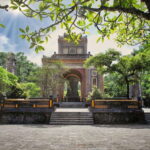

Quang Tri Citadel: The 1972 “Land of Fire” Stays In Your Head
The first major stop is Quang Tri Citadel Historical Site around 07:30 AM. This is where the DMZ lesson gets heavy: the place marks the fierce 81-day-and-night battle in summer 1972. The guide’s job here is not just dates and names. It’s helping you understand what “defending every inch of the homeland” felt like in real conditions.
I like this stop because it doesn’t ask you to pretend the war is distant. You’re standing at the center of a specific fight, and the explanations stick to how and why people endured.
Practical note: this is a site you’ll want to take slowly. Even if you only walk modest distances, you’ll be thinking hard, and the morning light can be strong.
Route 9 and Da Krong Bridge: The Ho Chi Minh Trail, Explained by Roads
Around 08:30 AM, you transfer toward National Highway 9—a route steeped in wartime history. Your guide connects it to the idea that the supply route linked the east and west sides of the Truong Son Mountains, forming part of the legendary Ho Chi Minh Trail network. Instead of treating Route 9 as just a road, you’ll see it as a lifeline.
Then you stop at Da Krong Bridge around 10:00 AM. The point of this stop is simple: bridges are chokepoints. This one mattered for transporting weapons and supplies to battlefields further south. Standing there helps you understand why infrastructure becomes a target, and why moving goods can decide outcomes.
One small drawback: the sites here are brief compared to the hours on the road. If you’re sensitive to long transfers, treat this as the “drive-and-context” portion of the day.
Ta Con Airport (Khe Sanh): Where the Siege Feels Like It Could Happen Again
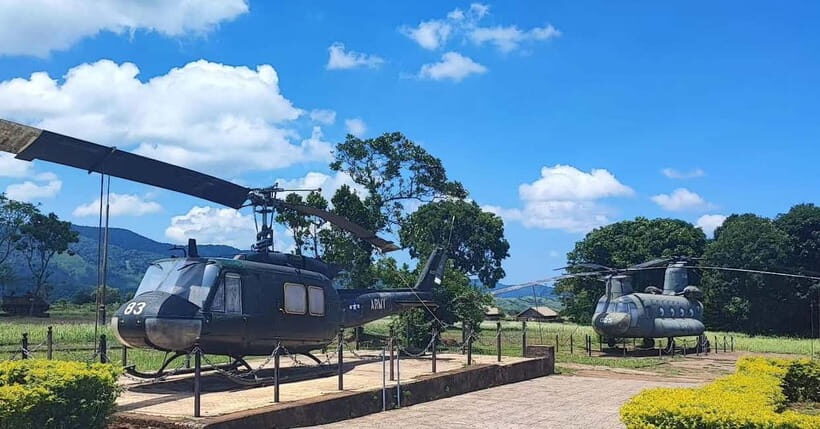
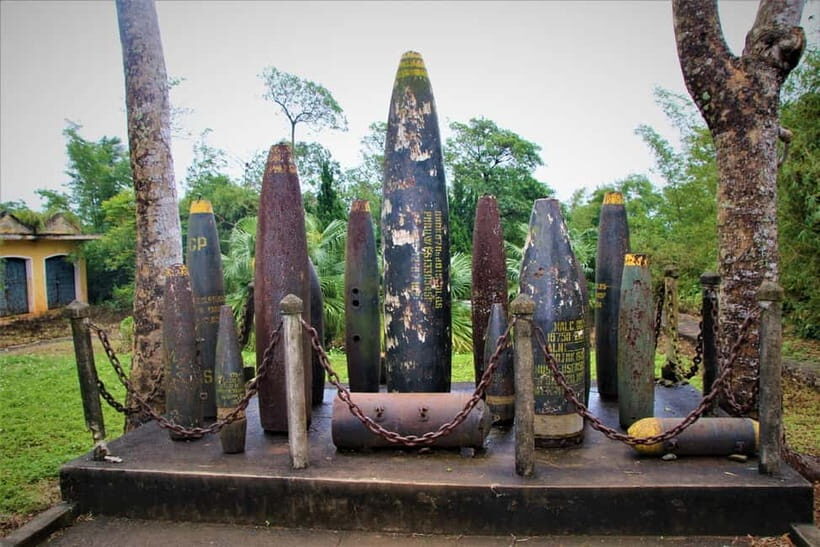
You reach Ta Con Airport in Khe Sanh around 10:30 AM. This is the heart of the former U.S. presence during the 1968 Khe Sanh campaign, and it’s designed to help you visualize the setting.
What I find most useful here is the preserved mix of evidence: you can see artifacts such as planes, artillery shells, and battlefield trenches. That combination matters. Pure battlefield storytelling can blur into generalities. Artifacts anchor it back to physical reality.
Your guide often sets context before you walk around, so you’re not wandering through objects with no framework. People in the group typically ask the same question—how was this place so significant—and the explanations give you a clear answer tied to strategy and survival.
Lunch in Quang Tri: Fuel for a Full Afternoon
Lunch lands around 11:30 AM, in a local restaurant in Quang Tri. The good news is that lunch is included, and there’s an option to choose vegetarian dishes if you need it.
This meal is more than a break. It’s your reset point before the later part of the day gets more intense and, physically, more demanding.
If you tend to get hungry fast, eat like it’s a real checkpoint. The afternoon is where you’ll be walking and, for one stop, going underground.
Vinh Moc Tunnels: Three Levels of Civilian Survival
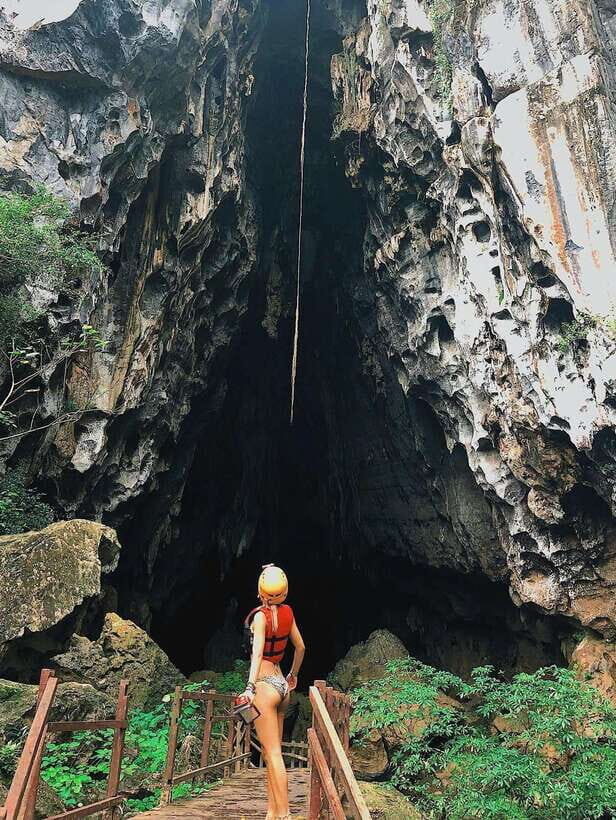
Around 01:00 PM, you head toward Vinh Linh to explore Vinh Moc Tunnels. The big draw is the scale: it’s a 3-level tunnel system stretching over 2 kilometers. This isn’t a short bunker stop you can barely remember. It’s a place built for daily life during wartime.
You’ll learn how families and communities tried to function underground, not just hide. The tunnels included areas such as homes, a hospital, and meeting rooms. That’s what makes Vinh Moc so striking: it shows that even during bombing raids, people organized care, community, and routine.
A couple of practical cautions matter here. This stop is not suitable for claustrophobia or back problems, and it also isn’t suitable for non-swimmers and pregnant women. If you fall into any of those categories, don’t force it. The whole point of a respectful DMZ visit is choosing what you can handle safely.
Wear comfortable shoes. The ground and lighting aren’t designed for dramatic photo posing—just get your bearings fast and focus on understanding what you’re seeing.
Hien Luong Bridge and the Ben Hai River: Seeing the 17th Parallel in Person
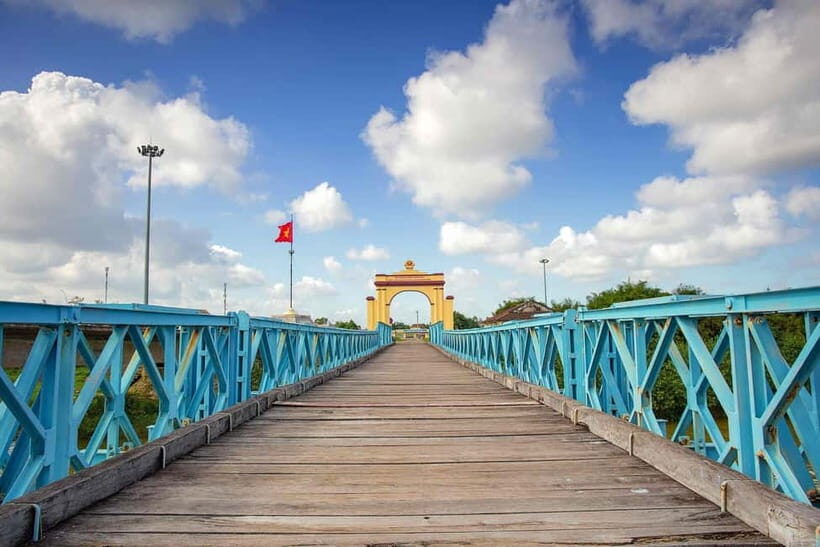
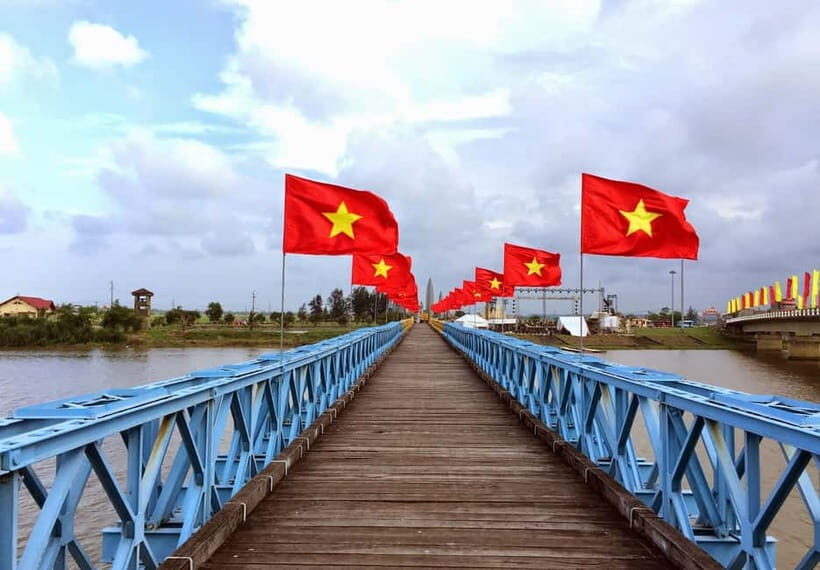
Around 04:00 PM, you move to Hien Luong Bridge on the Ben Hai River. This is the place associated with the 17th Parallel, which divided North and South Vietnam for more than 20 years. The guide’s stories here turn the “line on a map” idea into something you can photograph and point to.
You’ll take time at the historical area with key landmarks such as the 17th parallel line, an exhibition hall, and loudspeakers. Those details matter because they connect political division to everyday life—how a line became a lived boundary.
This is also where the tour’s balance comes through. A guide doesn’t just repeat a single viewpoint. You’ll hear explanations that help you understand the Vietnamese perspective alongside the broader context of the war.
La Vang Holy Sanctuary Photo Stop, Then Back to Dong Hoi or Hue
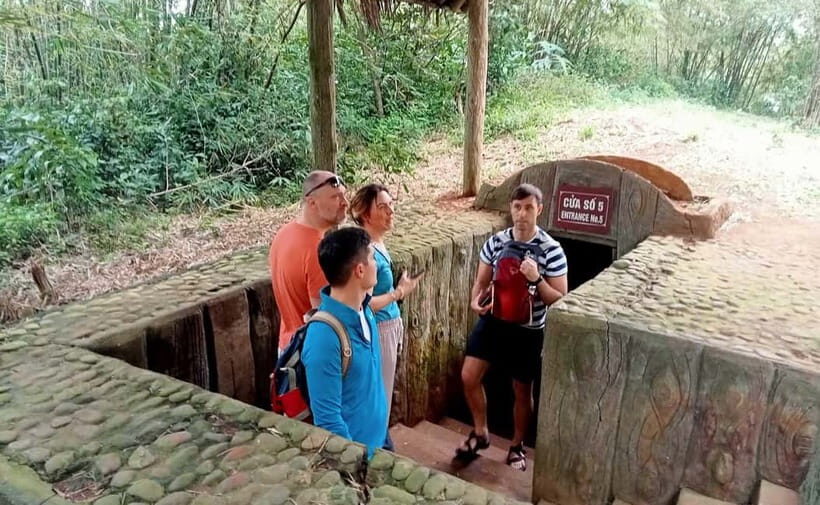
Before heading back, there’s a La Vang Holy Sanctuary stop, mostly so you can take photos around 06:00 PM and close the day on something different from battle sites. It’s a gentle shift, and it helps the last hours feel less claustrophobic than the tunnel-heavy middle.
After that, return options are practical: you go back to Dong Hoi (city center, train station, or airport) or you can be dropped in Hue upon request. If you’re building your travel route after this day, it’s a smart move to plan that transfer with margin for a late arrival.
Price and Value: Is $83 a Fair Deal for This Amount of Driving?
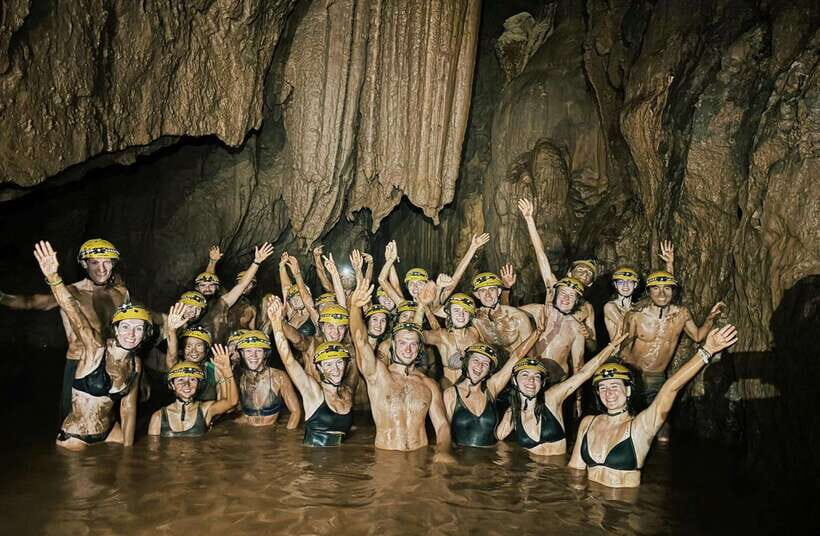
At $83 per person, this trip is priced like an all-day DMZ sampler: transportation, an English-speaking guide, and entrance tickets to multiple sites. And you do get real coverage. Your listed stops include Quang Tri Citadel, Ta Con Airport, Vinh Moc Tunnels, and Hien Luong Bridge, plus a lunch in Quang Tri and bottled water.
Two value checks I’d use:
- You’re paying for interpretation, not just entry tickets. The guide’s story-led approach (including music in the van, in some cases) helps you connect each stop to the next.
- You’re paying for convenience. Instead of coordinating separate drives and ticketing, you get a vehicle, a driver, and guided context across the day.
The main reason $83 might not feel worth it for everyone is the tradeoff: the long driving time for shorter site visits. If you’re only obsessed with one location—say, tunnels—then a shorter tunnel-focused option might suit you better. But if you want the bigger chain of sites that explains how war, supply routes, and civilian survival connect, this full-day format makes sense.
Comfort Tips That Actually Help on This DMZ Day
This is the kind of day that punishes bad shoe choices. You’ll walk, and you’ll also face indoor lighting and tight spaces at Vinh Moc, so comfortable shoes are non-negotiable.
Bring a hat and sunscreen. The day includes outdoor photo stops like the bridge area and citadel grounds. And yes, the tour provides water, but it’s still smart to carry extra if you know you drink a lot.
Also, plan snacks. Even though lunch is included, the road segments between stops can be long. A small snack in your bag can prevent that mid-afternoon slump when motivation dips.
One last practical plus: Lavie bottled water (500ml, 2 bottles per guest) and cold towels (2 per guest) are included, which helps you stay human during a long day.
Who Should Book This DMZ Tour, and Who Should Skip It
This trip fits best if you:
- want an English-language, story-led explanation rather than just sightseeing
- care about understanding the war through specific sites, including Vinh Moc and the 17th Parallel area
- are comfortable with a full day, starting early and ending late
It’s not a good match if you:
- have claustrophobia, back problems, or issues with mobility
- are pregnant
- are non-swimmers (the trip notes this as not suitable)
If you’re sensitive to intense, emotional history, take breaks when you need them and don’t feel pressured to “power through.” These sites are meant to be experienced with respect, not speed.
Should You Book This DMZ Tour from Phong Nha or Dong Hoi?
If you want the DMZ story in one packed day, I think this is a strong choice. You get major historical anchors—Quang Tri Citadel, the 17th Parallel at Hien Luong–Ben Hai, Vinh Moc tunnels, and Khe Sanh’s Ta Con Airport—with an English-speaking guide who keeps the narrative connected and human.
Skip or choose a shorter option if you hate long car hours or if Vinh Moc tunnels aren’t safe for you. Otherwise, this is exactly the kind of tour that turns geography into understanding, one stop at a time.
FAQ
What time does the tour start?
Pickup begins around 05:30 AM from central Dong Hoi City.
How long is the day?
Expect a long day, roughly 10–12 hours, based on the schedule from morning departure to evening return.
What key sites are included in the trip?
You’ll visit Quang Tri Citadel, Route 9 along the way to Da Krong Bridge, Ta Con Airport in Khe Sanh, Vinh Moc Tunnels, and Hien Luong Bridge on the Ben Hai River. There’s also a stop at La Vang Holy Sanctuary for photos.
Is lunch included, and can I request a vegetarian meal?
Yes. Lunch is included at a local restaurant in Quang Tri, and you can choose vegetarian dishes.
Are entrance tickets covered?
Yes, entrance tickets are included for Vinh Moc Tunnels, Hien Luong Bridge, Ta Con Airport, and Quang Tri ancient citadel.
What language is the guide?
The guide is English-speaking for the route.
What should I bring or wear?
Wear comfortable shoes and comfortable clothes. It’s also recommended to bring a hat and sunscreen. A camera is suggested.
Does the tour provide water and towels?
Yes. You get Lavie bottled water (500ml, 2 bottles per guest per day) and cold towels (2 per guest per day).
Is it okay if I have mobility issues or claustrophobia?
No. The tour is not suitable for people with mobility impairments, claustrophobia, or back problems. Pregnant women are also not suitable.
Are there extra fees on holidays?
Yes. Tet holiday fees are 10 USD per person, and there’s a holiday surcharge listed for April 28 to May 2, and September 2 (200,000 VND per person). A far pick-up surcharge may apply if you stay out of the pick-up area.
Is cancellation possible for a refund?
You can cancel up to 24 hours in advance for a full refund.