REVIEW · HUE VIETNAM
Hue Imperial city walking tour and optional royal tombs
Book on GetYourGuide →Operated by Huebymatthew · Bookable on GetYourGuide
Hue’s walls do the talking. This Hue Imperial City and Forbidden City walking tour turns UNESCO ruins into a clear story of power, design, and court life under the Nguyen Dynasty.
I especially love how the guide connects the big facts to what you can actually see: why Hue was chosen as the capital, how court buildings were planned, and how the dynasty’s fortunes changed. I also like the small-group feel, where you can ask questions and get answers that make the place feel human, not just old stone.
One possible drawback: the walk covers a lot of ground in Hue’s heat, and the entrance ticket isn’t included. In summer you’ll want extra water and a slower pace mindset.
In This Review
- Key things to know before you go
- Hue Imperial City isn’t just ruins: it’s a system
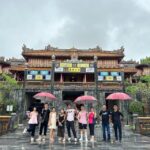
- Meeting at the Nine Holy Cannons and timing your visit
- The big story: why Hue became capital (1802–1945)
- A 2.5-hour walk that stays human-scale
- Inside the Imperial City: key stops and what to look for
- Hien Lam Cac Pavilion
- Mieu Temple
- Queen Mother Residence
- Purple Forbidden City: Kien Trung Palace and the Royal Garden
- Architecture that explains weather, feng shui, and engineering
- The downfall story: why the system eventually failed
- Optional royal tombs: when to add them
- Price and value: what $26 gets you
- What you’ll love most: historian energy and tailored explanations
- Comfort tips for Hue heat and a better walk
- Should you book this Hue Imperial City walking tour?
- FAQ
- How long is the Hue Imperial City and Forbidden City walking tour?
- Is the entrance ticket included in the tour price?
- Where do I meet the tour guide?
- What optional add-on is available?
- Is there a morning ceremony included with some tours?
- What language is the tour offered in?
Key things to know before you go
- Historian-led and English-friendly: You’ll get guided context focused on the Nguyen Dynasty and how the city worked.
- A real walk through key court areas: Expect stops like Hien Lam Cac Pavilion, Mieu Temple, Queen Mother Residence, and the Purple Forbidden City.
- Morning bonus option: If you choose the morning tour, you can watch the Changing Guard Ceremony at 8 am in front of Ngo Mon Gate.
- UNESCO site, 1993 recognition: Hue Imperial City was listed as a World Cultural Heritage site in 1993.
- Entrance ticket separate: You pay 200,000 VND per person on top of the tour price.
- Meet up is easy once you know the landmark: The guide waits at the 4-cannon side of the Nine Holy Cannons (the other side is the 5-cannon).
Hue Imperial City isn’t just ruins: it’s a system
Hue Imperial City is UNESCO World Cultural Heritage, recognized in 1993, and that label makes people expect pretty scenery. The better goal here is understanding how the Nguyen court designed space to control movement, hierarchy, and daily life. Once you have that frame, everything you pass starts to click.
What makes this tour work well is that you don’t just hear dates. You’re taught to look: at layout, architecture choices, and how the site responded to real conditions like weather and wind. That’s why the walk feels more like a guided lesson you can walk through.
If you're still narrowing it down, here are other tours in Hue Vietnam we've reviewed.

Meeting at the Nine Holy Cannons and timing your visit
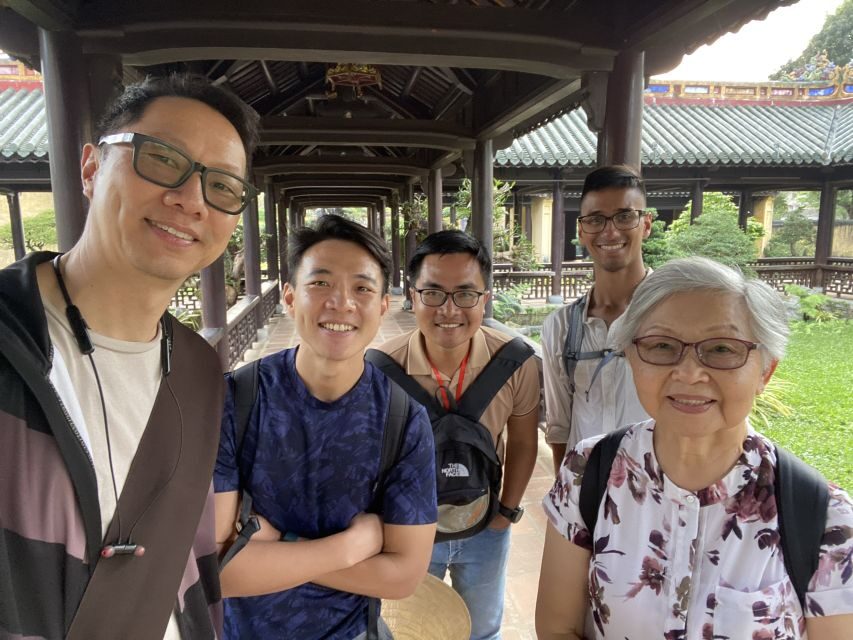
The meeting point is very specific, which is good in a place like Hue. Your guide waits at the 4-cannon side of the Nine Holy Cannons, and the opposite side is the 5-cannon. The guide will message you on WhatsApp before you meet, which helps you avoid that awkward hunt around the gate area.
If you pick the morning option, you get an extra bonus: you can watch the Changing Guard Ceremony at 8 am in front of Ngo Mon Gate. That’s a rare chance to see the site in an active, ceremonial rhythm rather than only as a quiet museum-like walk.
Plan for heat either way. Hue is often hot and humid from May to August, so bring extra water and dress for humidity, not just sun.
The big story: why Hue became capital (1802–1945)
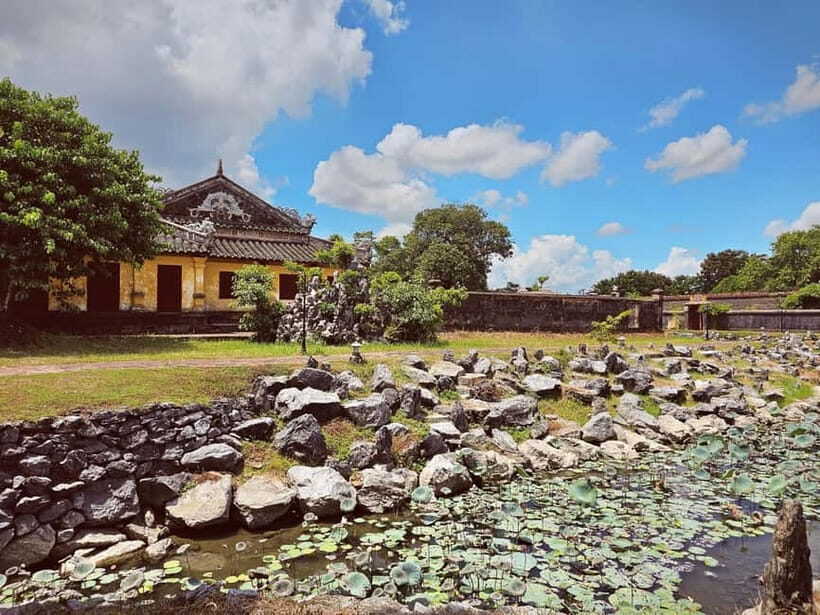
A lot of tours will say Hue was the Nguyen capital. This one helps you understand why Hue mattered and what that meant in practice.
You’ll learn why Hue was chosen as the capital under the Nguyen Dynasty (1802–1945). You’ll also get a clearer picture of the dynasty’s architectural decisions and the kinds of cultural influences that shaped the court construction. The guide frames key questions like: was the design mainly about feng shui, or did weather and environmental conditions push the choices?
Then you’ll connect that planning to the dynasty’s downfall. Knowing why a system collapses makes the remaining spaces feel less mysterious. Instead of asking what happened, you start understanding how decline can show up in power structures, priorities, and control.
A 2.5-hour walk that stays human-scale
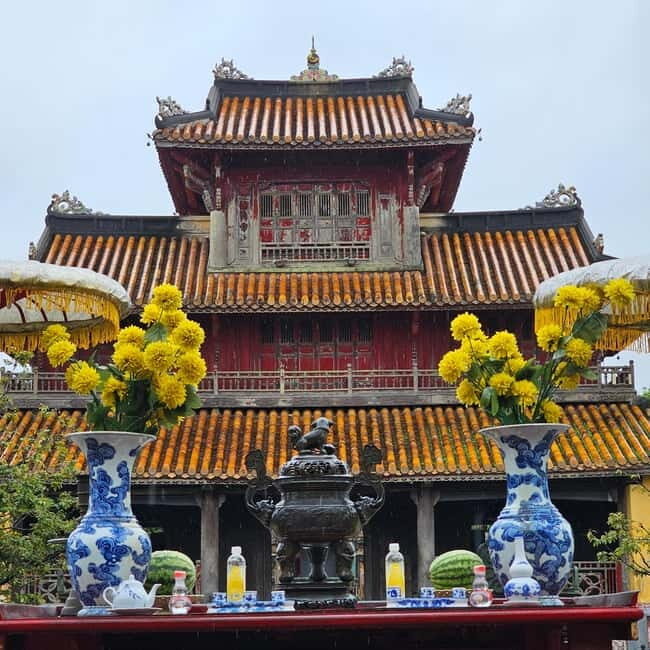
The tour is about 2.5 hours, which is a sweet spot. Long enough to cover major areas like the Imperial complex and Forbidden City sections, but not so long that you’re exhausted and only half listening.
Because it’s a small group, you’re less likely to get stuck behind someone who isn’t paying attention. You can also hear the explanations without turning your head every few minutes. For me, that matters in Hue, where you’re constantly moving between open courtyards and more enclosed temple spaces.
This pace also gives you time to pause and ask follow-ups. If you care about palace intrigue, court hierarchy, or how design shapes behavior, the guide can steer your attention there. That flexibility is one reason people rate the guide experience highly.
Inside the Imperial City: key stops and what to look for
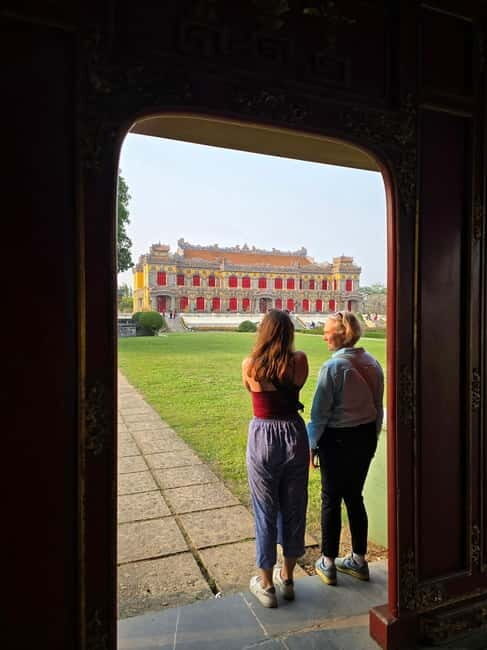
This is the part where the tour becomes practical. You’re not just told what things are called—you’re shown why they matter.



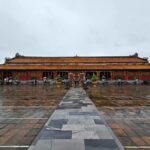
Hien Lam Cac Pavilion
When you reach Hien Lam Cac Pavilion, look beyond the name. Think about function: pavilions and open structures were part of how the court staged authority and observation. You’ll get context tying the space to Nguyen court life and how design supported ceremony and movement.
A good guide will point out how the pavilion fits into the wider plan, not as a standalone photo spot. That’s what turns your photos into memories with meaning.
Mieu Temple
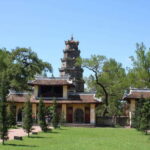
Next is Mieu Temple, which helps you understand the court’s relationship to worship and tradition. Royal Vietnam was deeply tied to ritual, and temples like this reflect that worldview in architecture and placement.
As you move through, notice how the tone changes. The tour’s goal is to help you feel the shift from public-facing space to places that carried heavier ceremonial weight.
Queen Mother Residence
At the Queen Mother Residence, you’ll focus on court power in a different way. This is where hierarchy isn’t only about who rules—it’s also about who influences decisions and how the court organized family roles.
If you like the human side of history, this stop is useful. It turns Nguyen rule from an abstract dynasty label into a lived structure of relationships.
Purple Forbidden City: Kien Trung Palace and the Royal Garden
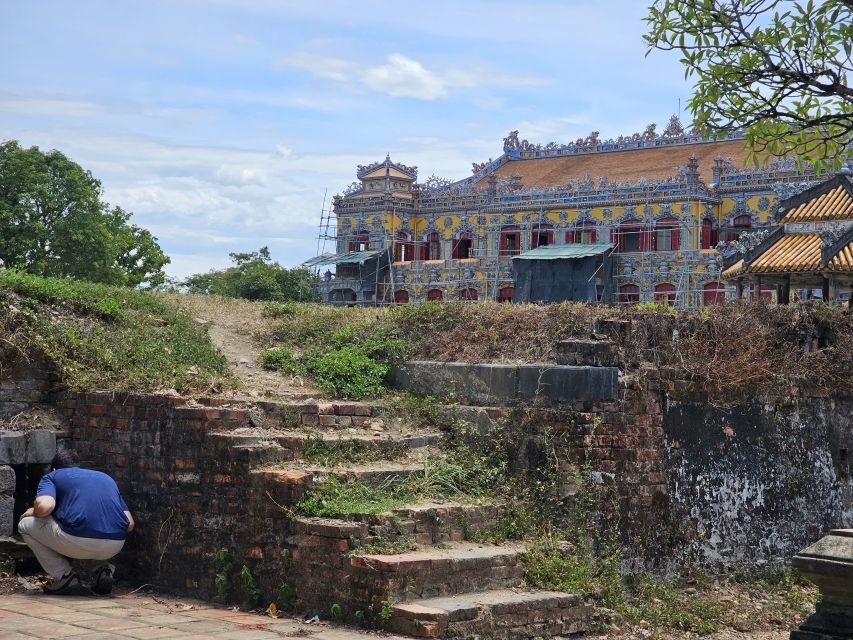
Then you reach the area that many visitors think of when they hear Forbidden City. The tour includes the Purple Forbidden City, including Kien Trung Palace and the Royal Garden.
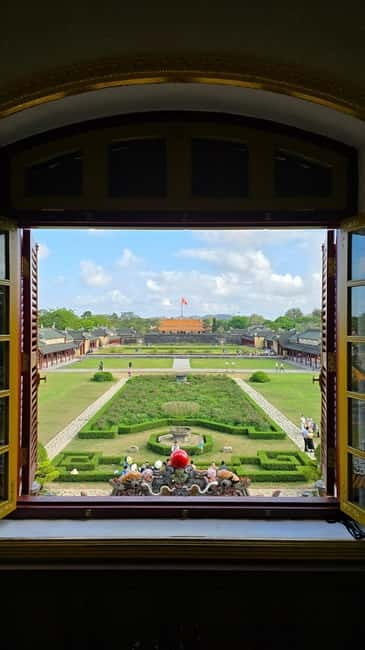
Here’s the key to enjoying this section: don’t rush. The Purple Forbidden City is conceptually about restricted authority—who can enter, who can watch, and how space supports control. The Royal Garden adds another angle. It shows that court design wasn’t only defensive or formal; it also shaped daily scenery and palace atmosphere.
Architecture that explains weather, feng shui, and engineering
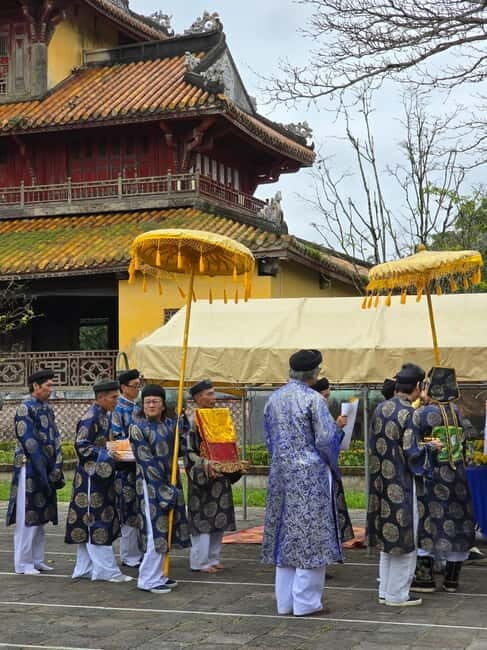
One of the most valuable parts of this tour is how it connects architecture to practical realities. It’s easy to think royal builders only chased symbolism. You’ll learn that design also had to work with wind, water, and the challenges of a big site in a humid climate.
The guide explains court-building logic and includes details about engineering used to manage flood waters and wind currents. That kind of explanation makes the grounds feel engineered rather than decorative. You start spotting the place as a system that had to perform, not just impress.
You’ll also talk about cultural influences on how the constructions were built. The guide frames it as a comparison between ideas like feng shui and environmental constraints. Even if you don’t end up choosing one explanation over the other, you’ll walk away thinking more like a planner than a tourist.
The downfall story: why the system eventually failed
This tour doesn’t stop at glory days. You’ll uncover reasons behind the dynasty’s downfall, which helps you understand how grand spaces can shift meaning over time.
The practical benefit of hearing this story during your walk is that you can re-read the site. When you know what collapsed, you notice what looks like it was meant to last—then you feel the tension between that ambition and what history eventually delivered.
It’s also a good reminder that the Nguyen Dynasty’s story is not only Vietnamese mythology or distant academic history. It’s a case study in how governance, priorities, and planning all intertwine.
Optional royal tombs: when to add them
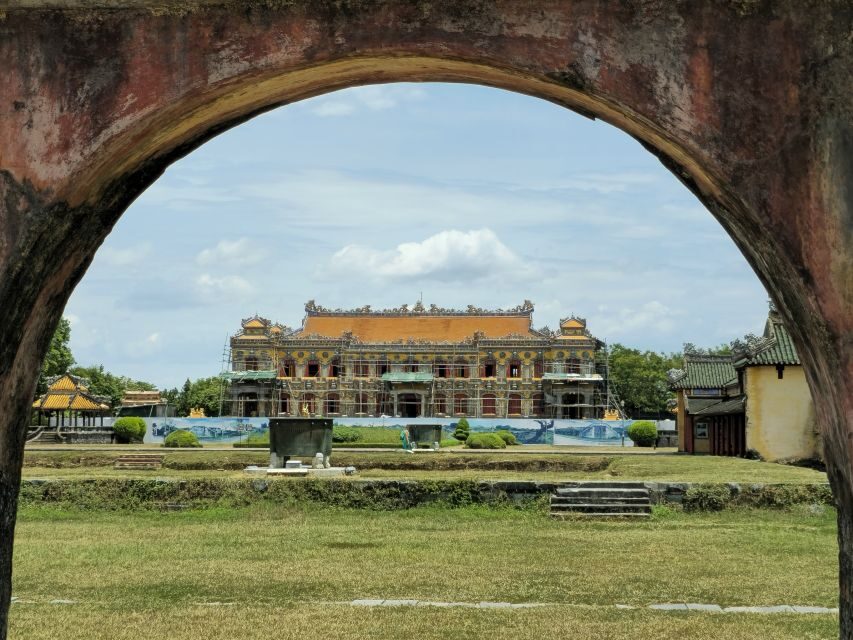
You can add optional royal tombs to the experience, which is a smart choice if you want your Hue visit to feel like a full arc: capital life in the Imperial complex, then the legacy phase at the tomb sites.
How to decide: if you’re the type who likes architecture and symbolism, tomb visits often match that style well, because the Nguyen approach to planning and hierarchy shows up again in how these sites are laid out. If you’re only here for the main palace complex, keep it simple and focus on the walking tour so you don’t lose your energy.
Since the add-on details aren’t listed here, it’s worth asking your guide what tombs you’d be visiting and how much extra walking you should expect.
Price and value: what $26 gets you
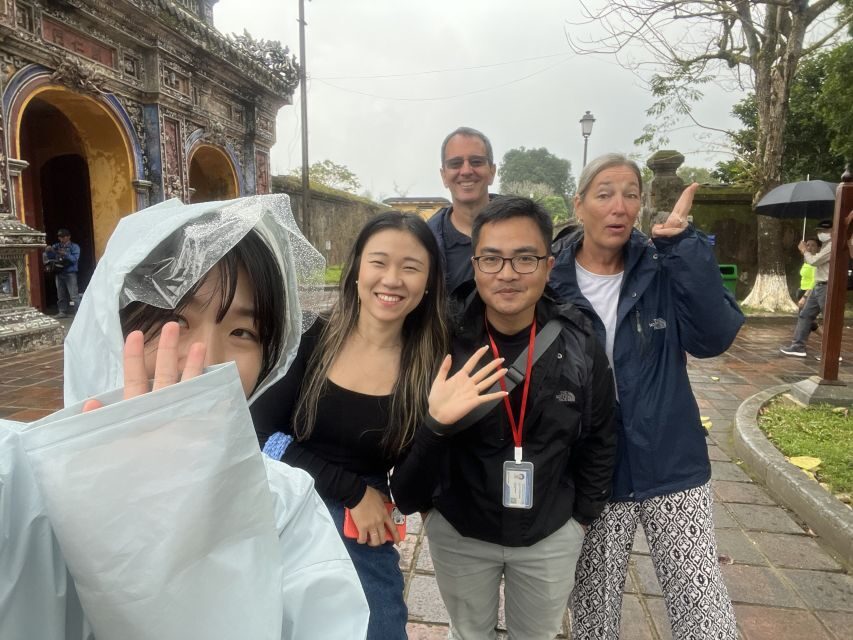
The price is listed at $26 per person, and it can vary depending on the option you choose. What matters for value is what’s included versus what isn’t.
You pay for the guiding fee. You do not pay for the site entrance ticket inside that price. The entrance fee is 200,000 VND per person, so your real total will be your tour price plus that ticket.
Is it worth it? In my view, yes—if you want the “why” behind what you’re seeing. Sites like Hue’s Imperial complex can be overwhelming if you just walk on your own. Here, you’re paying for a guide who can translate palace design, hierarchy, and environmental challenges into something you can understand in real time.
What you’ll love most: historian energy and tailored explanations
This tour’s reputation is built on one thing: the guide’s ability to explain without sounding robotic. People highlight fascinating explanations and a great atmosphere—plus the feeling of trust and comfort while walking the complex.
The best guides here also read the room. If you’re interested in palace intrigues, they’ll lean into that. If you care more about architecture, you’ll get more attention on design and engineering choices. That flexibility is a big deal because Hue can send you chasing details that don’t connect.
Guides mentioned in English-language experiences include Matthew, Dang, and Tom, and the common thread is strong teaching. When you get that combination of storytelling and practical spatial guidance, the Imperial City stops feeling like a list of names.
Comfort tips for Hue heat and a better walk
Hue can feel sweaty fast, especially in summer (May to August). Bring more water than you think you need. If you wear light clothes, you’ll concentrate better, and you won’t have to stop as often just to reset.
Also, plan your expectations around a walk-based experience. You’re covering multiple spaces inside a major heritage complex, and some areas are more exposed than others. Wearing comfortable walking shoes helps you stay present instead of counting steps.
Should you book this Hue Imperial City walking tour?
Book it if you want your Hue day to feel guided, structured, and genuinely understandable. This is the best fit if you like history that explains cause and design—why the capital was chosen, how the Nguyen court arranged power, and how engineering helped the site handle water and wind.
Skip or reconsider if you only want casual photos and don’t care about context. Also think twice if heat and walking time are a big challenge for you, since the tour is about 2.5 hours and Hue humidity can be intense.
If you’re choosing between doing Hue on your own and having a historian handle the meaning, this is the more confident choice. You’ll walk away knowing what you saw, not just that you saw it.
FAQ
How long is the Hue Imperial City and Forbidden City walking tour?
It lasts about 2.5 hours.
Is the entrance ticket included in the tour price?
No. The entrance fee is 200,000 VND per person and is not included.
Where do I meet the tour guide?
Meet at the 4-cannon side of the Nine Holy Cannons. The guide will also text you via WhatsApp before meeting.
What optional add-on is available?
The tour includes optional royal tombs.
Is there a morning ceremony included with some tours?
If you book the morning tour, you can watch the Changing Guard Ceremony at 8 am in front of Ngo Mon Gate.
What language is the tour offered in?
The tour is offered in English.