REVIEW · HUE VIETNAM
Hue: Private Guided Tour to Royal Tombs & Hue Imperial City
Book on GetYourGuide →Operated by Samtour Vietnam Company · Bookable on GetYourGuide
Hue royalty starts with a quiet boat ride. I like that the day blends Royal Tombs with the UNESCO Hue Imperial Citadel in one smooth route, and you still get a calm reset on the Perfume River instead of rushing from gate to gate. With an English-speaking guide and private transport, you’ll get context for how the Nguyen Dynasty built power, belief, and beauty into stone and water.
One thing to plan for: the big-site entrance tickets are extra (Imperial City + Khai Dinh Tomb + Minh Mang Tomb), so check that cost before you compare with cheaper group tours.
In This Review
- Key highlights worth marking on your map
- How this one-day Hue route really works
- Perfume River dragon boat: the calm before the royal walls
- Thien Mu Pagoda: a 1601 landmark with real presence
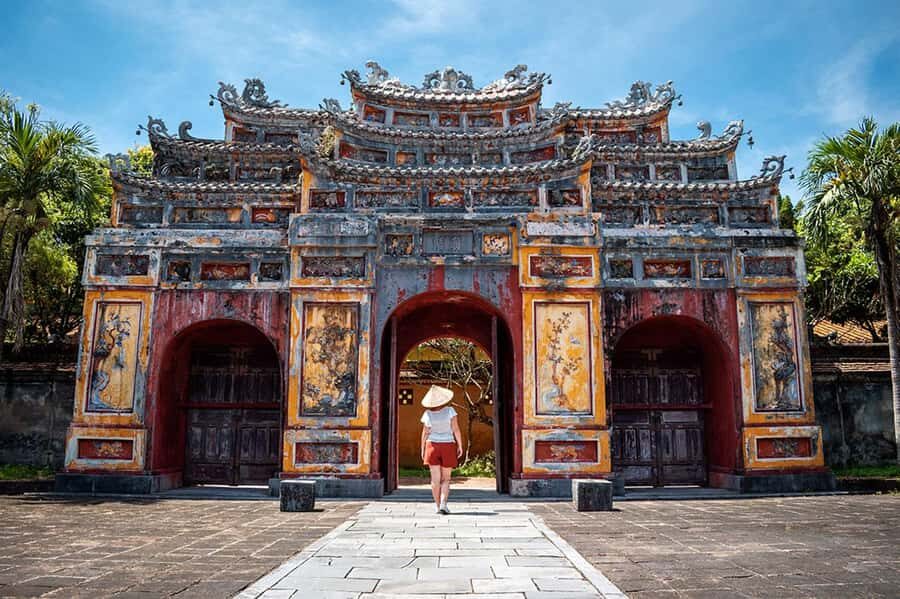
- Inside the Hue Imperial City: UNESCO, built to project power
- Lunch break: fuel for tomb-hopping
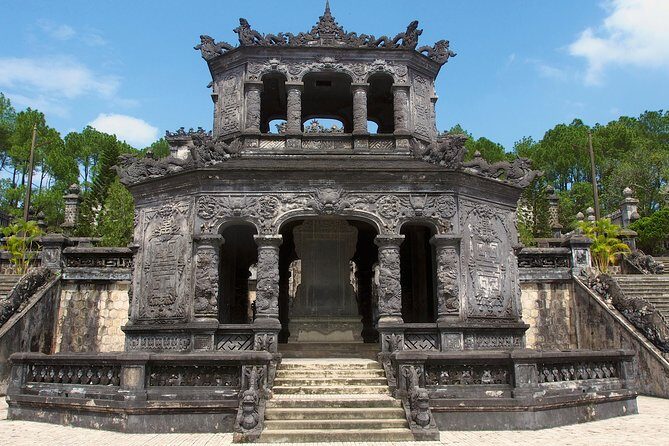
- Khai Dinh Tomb: East-meets-West in stone
- Minh Mang Tomb complex: ornate gates, courtyards, and calm lakes
- Dong Ba Market and Thuy Xuan incense village: Hue beyond the royal script
- Dong Ba Market
- Thuy Xuan incense-making village
- Private comfort and English guide: the value you feel in the pacing
- What I’d pack and how I’d pace your day
- Who this tour suits best
- Should you book this private Hue royal tombs day?
- FAQ
- Is this tour private?
- What’s included in the price besides the tour itself?
- Are entrance tickets included?
- How long is the Perfume River boat cruise?
- What are the major stops during the day?
- Where do you get picked up in Hue?
- What language is the guide?
- Can I get a refund if plans change?
- Is there an option to pay later?
Key highlights worth marking on your map
- Perfume River dragon boat cruise (30 minutes) gives you a slower, more scenic start than you get on “tombs only” days.
- Thien Mu Pagoda (built in 1601) ties the whole Hue story to the spiritual side of the city.
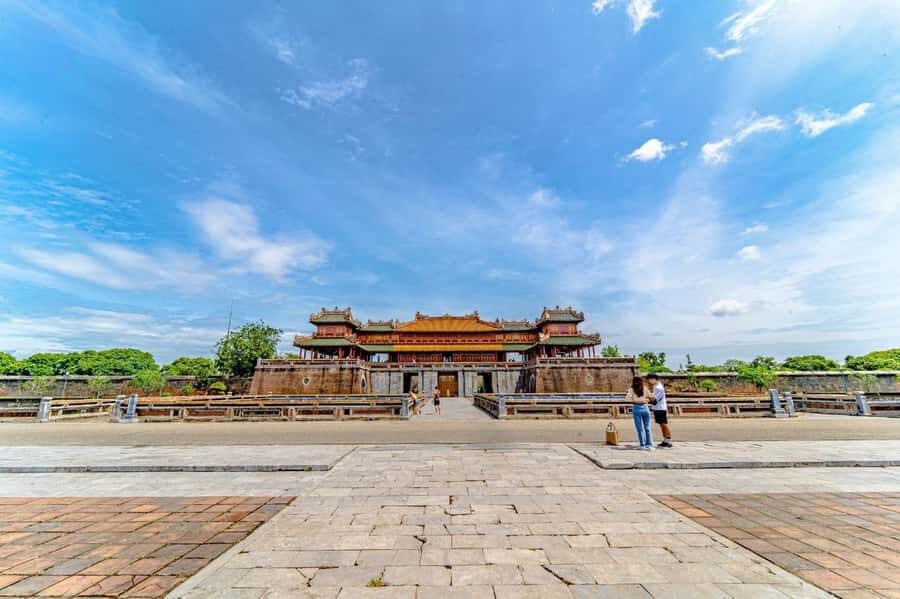
- Hue Imperial Citadel UNESCO area includes the long, careful build timeline from Gia Long through Ming Mang (1804–1833).
- Khai Dinh Tomb is the East-meets-West style mausoleum fans photograph for a reason.
- Minh Mang Tomb complex adds a second look at Nguyen architecture, with gates, courtyards, lakes, and gardens.
- Dong Ba Market + Thuy Xuan incense village add real street-level Hue beyond royal stone.
How this one-day Hue route really works
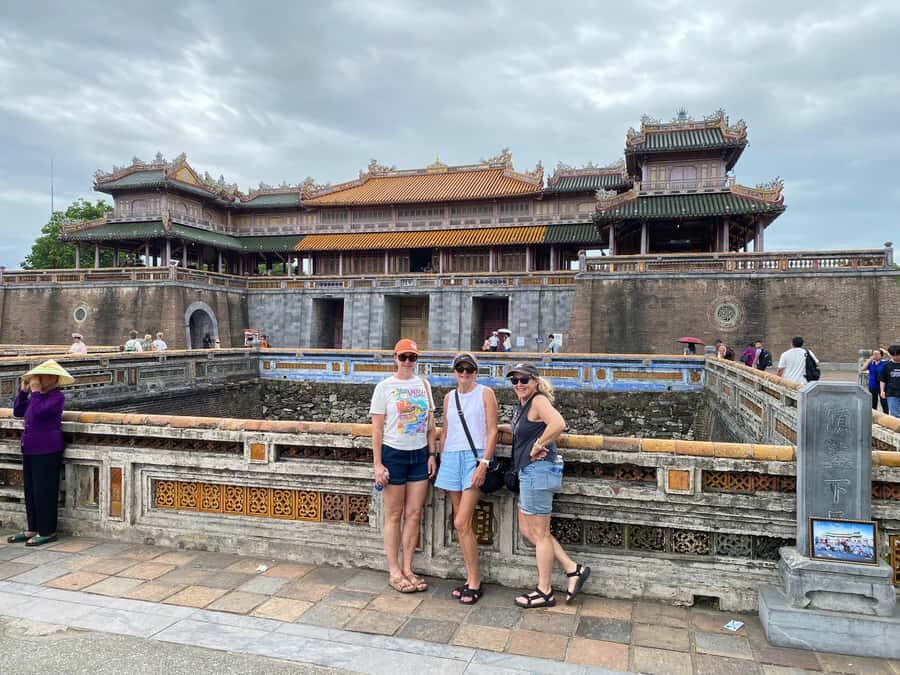
This is the kind of Hue day you want if you like structure. You start with hotel pickup, then move through the city in a private car between the river, pagoda, citadel, tombs, and two cultural stops. It’s a full day, but the timing is designed so you’re not stranded between distant sights.
The tour is also built for explanation, not just photo stops. With an English-speaking guide, the stops connect: you see what the Nguyen rulers wanted people to feel—order, awe, and faith—then you walk it off in the next area while the story stays coherent.
Finally, the private setup matters. Reviews and shared details point to consistent attention on the ground (driver plus guide, with the boat arranged for your group rather than a chaotic crowd shuffle). That makes a big difference when you’re cramming UNESCO sights, multiple tombs, and markets into one day.
If you're still narrowing it down, here are other tours in Hue Vietnam we've reviewed.

Perfume River dragon boat: the calm before the royal walls
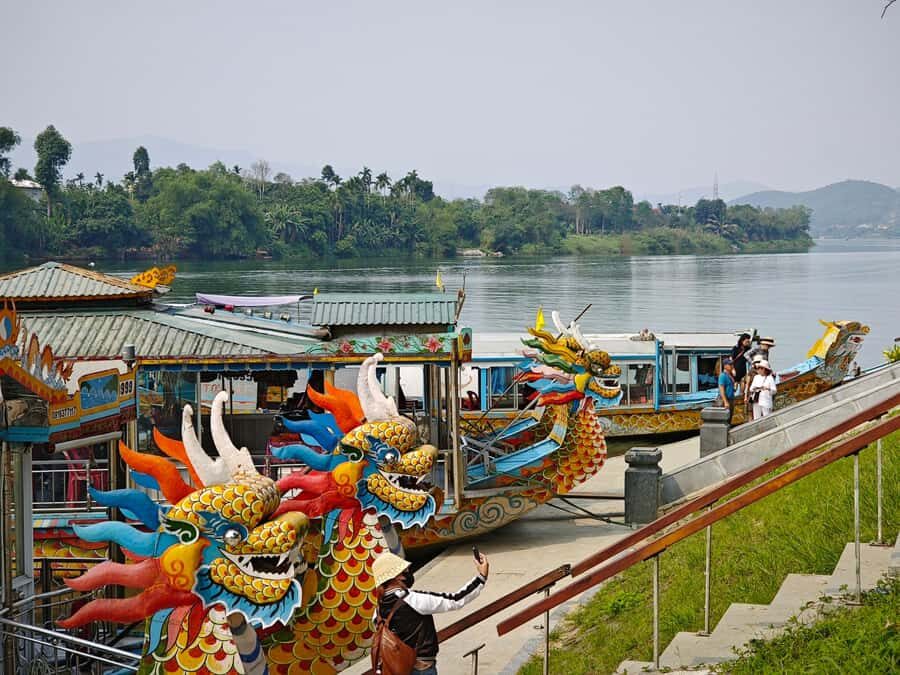
The day kicks off with a ride to the boat wharf and a 30-minute dragon boat cruise on the Perfume River. This part is more than a scenic break. You’re seeing the city from the direction that helped shape Hue’s identity as a royal capital—temples, gardens, and historical landmarks line the riverbanks.
Here’s the practical value: that boat time gives you mental breathing room. When you step off and head to pagoda and citadel, the setting makes sense faster because your brain already has a “map” of the river-adjacent landmarks.
Tip: bring a light layer even in warm weather. River air can shift quickly, and you’ll be standing and shifting positions for photos. If you’re sensitive to heat, use the boat time as a hydration moment—water is provided.
Thien Mu Pagoda: a 1601 landmark with real presence
After the cruise, you visit Thien Mu Pagoda, described as a 400-year-old pagoda built in 1601. It’s one of Hue’s most recognizable spiritual landmarks, and it works as a tone-setter for the rest of the day. Before you start scanning ornate tomb gates and citadel walls, you’re first reminded this region wasn’t only political theater—it was also a place of belief and ritual life.
This stop runs about 45 minutes with guided time, so you’ll get more than a quick look from the roadside. You can take in the pagoda’s stacked silhouette, notice how the site sits with the river and city mood, and then move on without feeling rushed.
Practical note: pagoda visits often mean a mix of steps, open sun, and shaded corners. Comfortable shoes help, and sunscreen is never a bad idea in Hue.
Inside the Hue Imperial City: UNESCO, built to project power
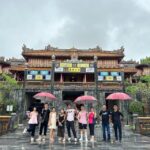
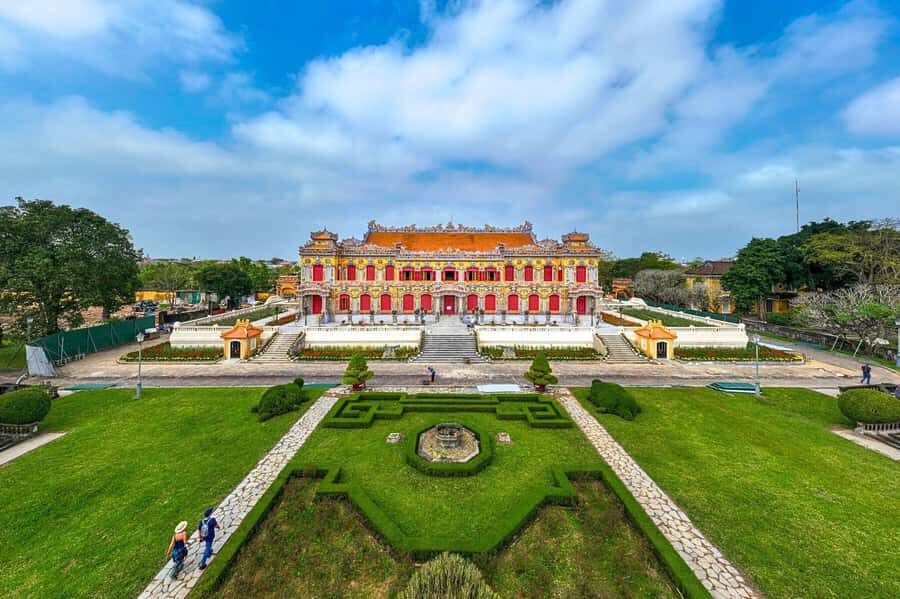
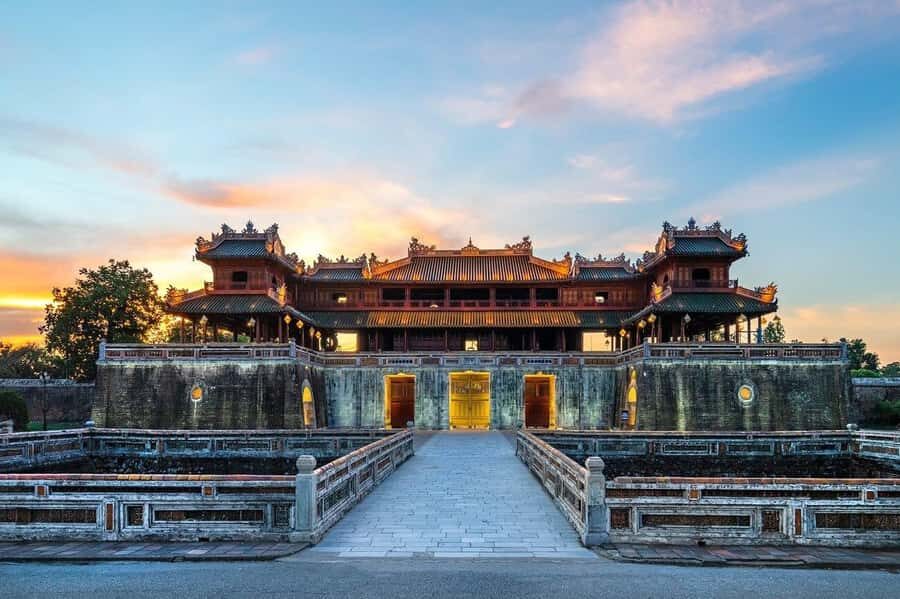
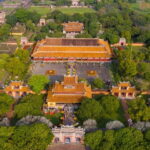
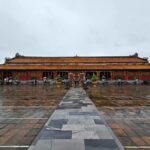
Next comes the main event for architecture lovers: the Hue Imperial Citadel complex. Expect around 2 hours of guided exploring and walking in the citadel area.
This UNESCO site is a lesson in “how rulers wanted the world to look.” The construction stretched almost 30 years, beginning in 1804 under King Gia Long and finishing in 1833 under King Ming Mang. You also get the deeper design logic: a mix of traditional Vietnamese architecture, philosophical ideology (including yin-yang theory), and influences from a Western military style often associated with Vauban.
That last point is worth holding onto while you walk. When you understand that the citadel is both symbolic and strategic, you’ll notice the layout more clearly—why gates and walls don’t feel random, why the rhythm of spaces matters, and why the citadel’s size feels deliberate rather than just monumental.
Small drawback to consider: Hue Imperial City is big. Even with a guide, you’ll cover a lot of ground. If you prefer short walks and minimal stairs, you may need to take your time in breaks—use the guide’s pacing and don’t feel you have to “speed-run” it.
Lunch break: fuel for tomb-hopping
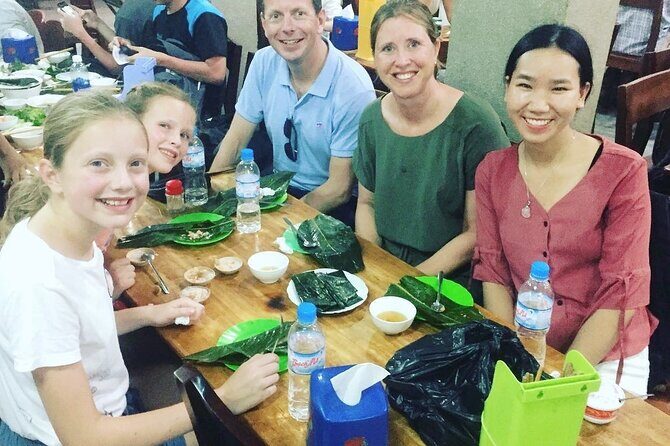
You’ll stop for lunch at a local restaurant (about 45 minutes). The main value here is timing. By the time you leave lunch, you’re ready for two tomb visits back-to-back without your day collapsing into low-energy fatigue.
I recommend taking this lunch seriously as a reset: water, quick snack, and a moment to cool off. Then you can focus on the tombs as visual storytelling instead of just “more stops.”


Khai Dinh Tomb: East-meets-West in stone
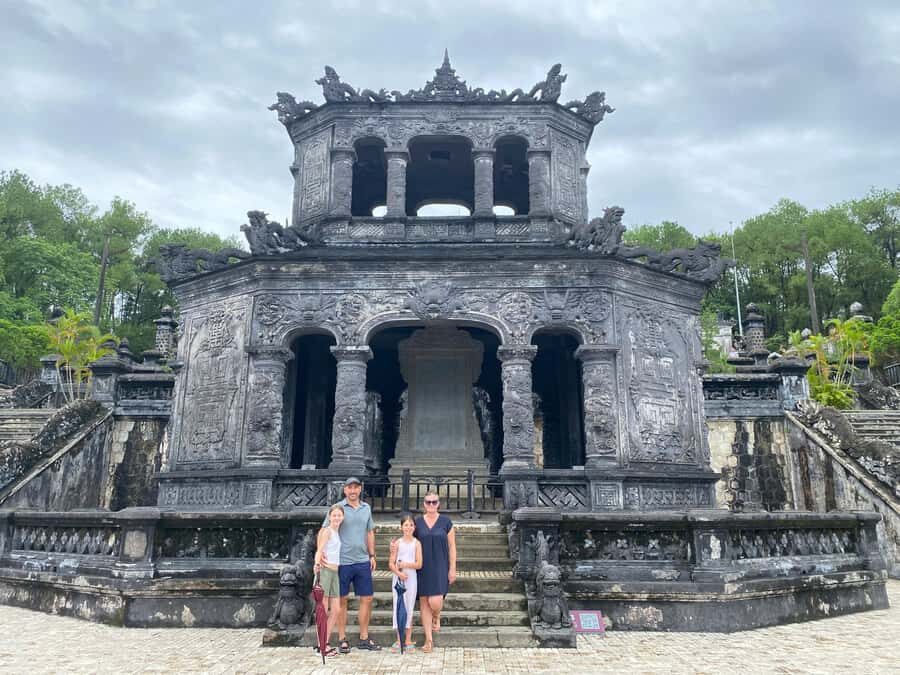
The next major stop is the Khai Dinh Mausoleum, dedicated to the 12th Nguyen emperor. Plan on about 1 hour, including a photo stop and guided time.
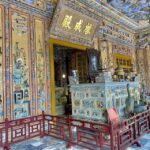
Khai Dinh is often described as a harmonious combination of East-West and Asia-European elements. Even without technical vocabulary, you’ll feel the difference when you start looking at textures, materials, and the overall style language of the structure. This is one of the tombs where photos feel meaningful rather than accidental, because the design invites close viewing.
Here’s how to get more out of your hour: don’t rush from one “wow point” to the next. Pause long enough to look at details, then step back and re-check the larger composition. The contrast between close-up decoration and overall layout is where the story lives.
Minh Mang Tomb complex: ornate gates, courtyards, and calm lakes
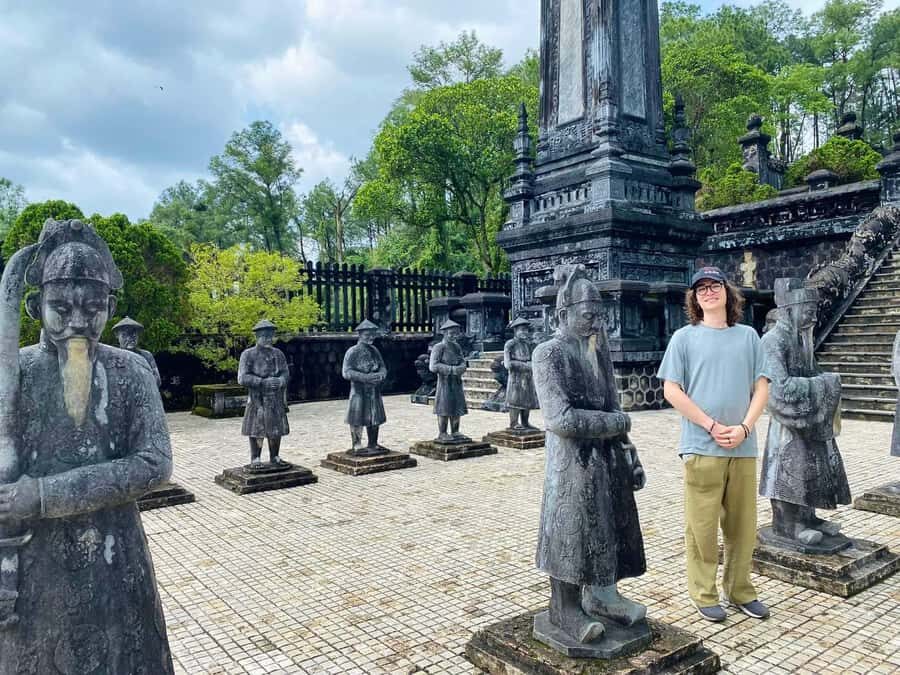
After Khai Dinh, the day continues to the Tomb of Minh Mang. You’ll get another about 1 hour of guided exploration and walking, with time for photos.
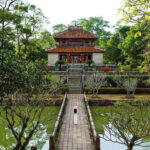
Minh Mang’s tomb complex is described as magnificent, with ornate gates, spacious courtyards, serene lakes, and lush gardens. This is a different mood from Khai Dinh. Instead of a single standout fusion look, Minh Mang’s space feels like a carefully staged sequence—gate, courtyard, open areas, and quiet water that softens the whole experience.
Practical tip: if you want the best photos, take advantage of the shaded areas near water and courtyards. Bright open sun can flatten detail on stone carvings and patterned surfaces.
Dong Ba Market and Thuy Xuan incense village: Hue beyond the royal script
Between and after the tombs, you get two cultural stops that prevent this day from becoming only royal architecture.
Dong Ba Market
Dong Ba Market is timed as a visit to see everyday Hue life and shop for local products. It’s described as the best place to watch what locals buy and sell, and it’s a big site that includes an old bell tower plus nine buildings.
This stop is your reality check. In a day full of emperors and monuments, it’s nice to see how people actually live around the history you’ve been studying.
Thuy Xuan incense-making village
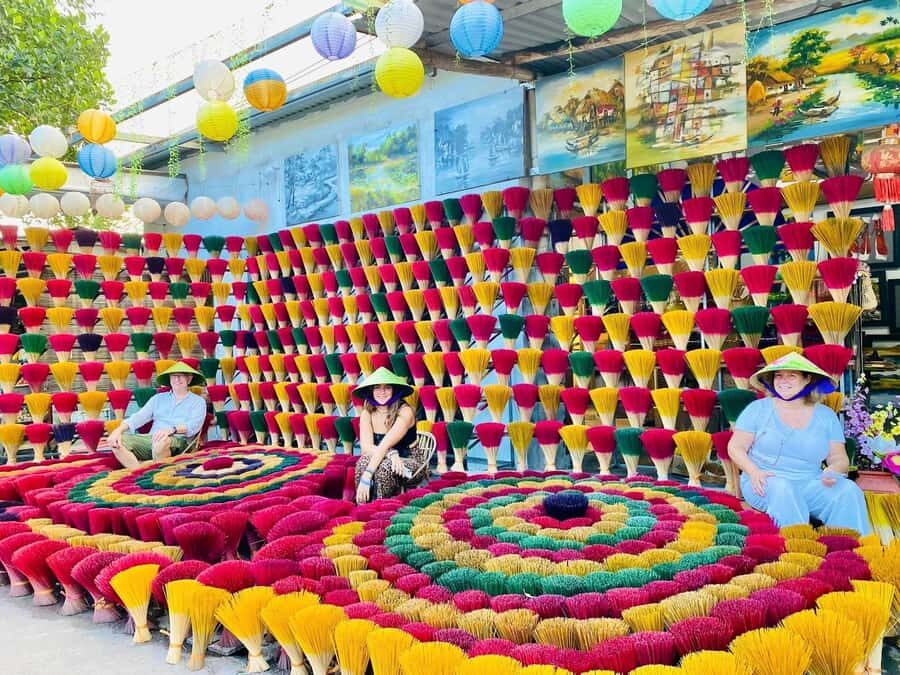
Then you’ll visit Thuy Xuan Incense Village, a craft area known for colorful incense sticks and traditional incense-making. You’ll spend about 30 minutes sightseeing and visiting with guided context, with obvious photo opportunities.
What you’ll likely notice fast: this stop is visual. The rows of bright incense make even simple compositions look great, and the craft focus helps the day end on something hands-on and human.
Private comfort and English guide: the value you feel in the pacing
At $48 per person, this is not the cheapest Hue tour. But it’s also not trying to be. The main value is that you’re paying for a private car, a guide, and a structured route that includes the river cruise and the two tombs plus pagoda and citadel.
You also get practical inclusions: lunch, a bottle of mineral water, and travel insurance. That means you’re not doing last-minute budgeting for the day’s basics.
On the guide side, English is provided, and reviews mention strong guidance from named hosts like Long, plus driver support from My. One detail to keep in mind: English can vary by accent and speaking speed. If you’re the type who gets frustrated when listening is slightly hard, just slow down your own questions and ask the guide to repeat key points.
What I’d pack and how I’d pace your day
Because this is a full, moving day, you’ll enjoy it more if you prepare like it’s a mini trek day with multiple stops.
- Wear comfortable walking shoes for citadel time and tomb grounds.
- Bring sunscreen and water discipline; you’ll have your bottle, but you’ll still sweat.
- Keep a light layer for river air during the cruise.
- Have your camera ready, but don’t forget to look up and take in the big picture.
Also, don’t judge the tour by your first stop. The day builds. Perfume River sets the mood, pagoda sets the spiritual tone, then the citadel and tombs turn those themes into physical form.
Who this tour suits best
This tour is a strong fit if you want:
- A private guide in Hue, so you can ask questions and keep momentum.
- UNESCO and royal sites without doing a self-drive logistics puzzle.
- A blend of “royal architecture” plus local culture at Dong Ba Market and the incense village.
If you only want one tomb and one quick pagoda stop, you might find the schedule intense. But if you like a clear, well-paced day with the main Hue icons in one shot, this works well.
Should you book this private Hue royal tombs day?
I’d book it if you’re aiming for one day that covers the essentials with context—river, pagoda, UNESCO citadel, and two major Nguyen tombs—while still finishing with everyday Hue craft life.
I’d think twice if the extra entrance fees matter to your budget or if you’re sensitive to long walking. Since Imperial City + Khai Dinh + Minh Mang tickets are not included, make sure that’s acceptable before you commit.
Overall, this is a smart value choice when you want less hassle and more meaning per stop. You’ll come away understanding how Hue’s rulers used space, belief, and design to shape what people felt walking through their world.
FAQ
Is this tour private?
Yes. It’s listed as a private group experience, with private car transport included.
What’s included in the price besides the tour itself?
The tour includes a private car, an English-speaking tour guide, a dragon boat trip on the Perfume River, lunch, a bottle of mineral water, and travel insurance.
Are entrance tickets included?
No. Entrance tickets are not included for the Imperial City plus Khai Dinh Tomb plus Minh Mang Tomb, listed at 420.000 VND per person.
How long is the Perfume River boat cruise?
The dragon boat cruise on the Perfume River lasts about 30 minutes.
What are the major stops during the day?
You visit Thien Mu Pagoda, the Hue Imperial City (Citadel), Khai Dinh Tomb, Minh Mang Tomb, plus Dong Ba Market and Thuy Xuan incense-making village, with lunch included.
Where do you get picked up in Hue?
You can be picked up at your hotel in Hue. You should wait in the hotel lobby about 10 minutes before the scheduled pickup time.
What language is the guide?
The tour guide is English-speaking.
Can I get a refund if plans change?
Free cancellation is available up to 24 hours in advance for a full refund.
Is there an option to pay later?
Yes. The tour offers reserve now and pay later, where you can book a spot and pay nothing today.