REVIEW · HUE VIETNAM
Hue : Private Day Trip to DMZ : Vinh Moc tunnel & Khe Sanh
Book on GetYourGuide →Operated by LAGOM TRAVEL · Bookable on GetYourGuide
War history gets real fast here. This Hue DMZ trip connects Vinh Moc tunnel and the Khe Sanh area to the bigger North–South story, and you do it with a private car plus an English-speaking driver. I love the way the day links key sites into one clear narrative, and I love how moving through places like Vinh Moc feels personal rather than theoretical. One possible drawback: it’s a long day (7–10 hours) with a lot of driving, so you’ll want comfy clothes and patience.
You’ll also pick between two routes. Option 1 focuses on the DMZ corridor sites, while Option 2 adds Khe Sanh Combat Base and Ta Con airport.
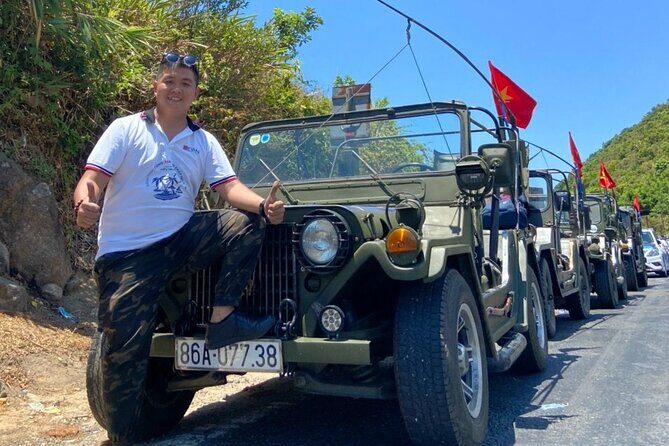
In practice, the English-speaking driver often acts like your main interpreter for the war context, and you may encounter guides such as Trung, Khanh, Son, Bin, Harry, or Dung. That’s great for questions, but it also means your experience will rise and fall with your driver’s style.
In This Review
- Key highlights worth your attention
- How this DMZ day trip makes the war make sense
- DMZ corridor sites: Long Hung Church and Quang Tri Citadel
- Hien Luong Bridge and Ben Hai River: the 17th Parallel in real space
- Vinh Moc tunnel: an underground village you can’t unsee
- Option 2 addition: Khe Sanh Combat Base and Ta Con airport
- Price and value: what $16 really buys you
- Timing, driving fatigue, and what makes the day feel good
- Who this DMZ trip fits best (and who might prefer something else)
- Should you book this Hue DMZ day trip?
- FAQ
- What are the two options for this DMZ day trip from Hue?
- How long does the trip take?
- What’s included in the price?
- What costs are not included?
- Is the tour wheelchair accessible?
- Can I cancel or pay later?
Key highlights worth your attention
- Two route options: DMZ-only, or DMZ plus Khe Sanh & Ta Con airport
- Long Hung Church, Quang Tri Citadel, and the Second Battle trail through Quang Tri province
- Hien Luong Bridge and Ben Hai River as the physical witness to the 17th Parallel division
- Vinh Moc tunnel as a hand-dug underground village with kitchens, wells, and living rooms
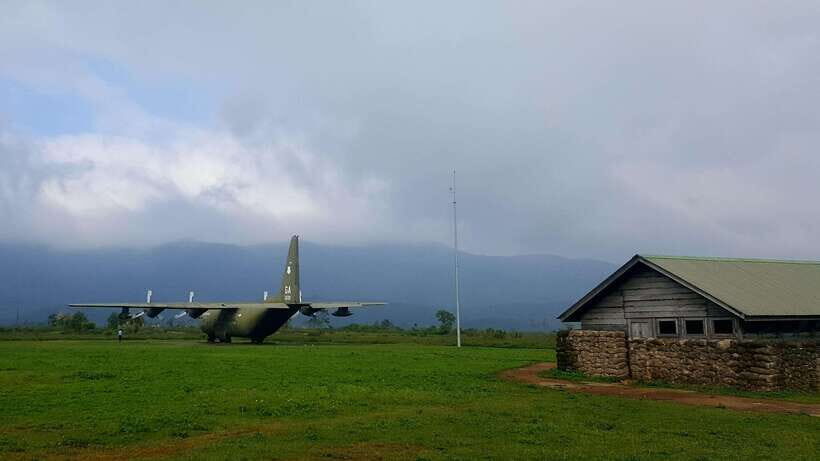
- Khe Sanh Combat Base & Ta Con relic airport if you choose the longer option
How this DMZ day trip makes the war make sense
This trip works because it doesn’t treat the DMZ as a random set of photo stops. You follow a line of geography and history, starting in the Quang Tri DMZ area and moving through places tied to the conflict’s most defining moments.
The best part for most people is that the story stays grounded in real sites you can stand in: a church in a fiercely contested battle area, a citadel linked to the Second Battle of Quang Tri, the bridge and river that witnessed Vietnam’s division, and finally the underground village at Vinh Moc.
Then, if you pick Option 2, you add the Khe Sanh side of the war. That gives you a more complete sense of how different parts of the same conflict fed into each other. If you’re the type who likes cause-and-effect in history, this structure fits you well.
If you're still narrowing it down, here are other tours in Hue Vietnam we've reviewed.

DMZ corridor sites: Long Hung Church and Quang Tri Citadel
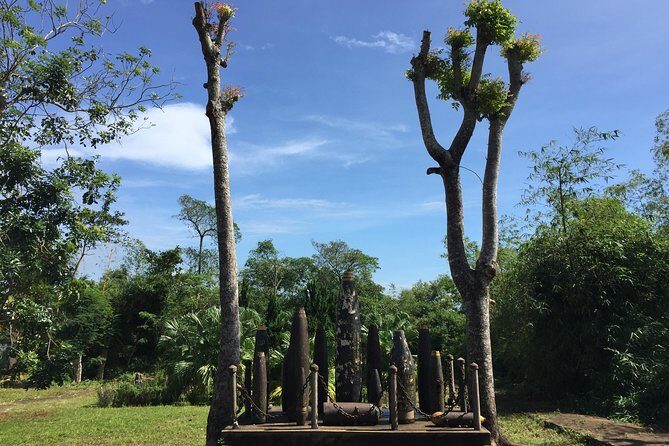
Option 1 begins at Long Hung Church in the DMZ area of Quang Tri province. It’s described as being in a fierce battle zone during the Vietnam War, which is exactly why this stop matters. Places like this don’t feel like museum props. They help you understand how “civilian spaces” and “front lines” got tangled in real life.
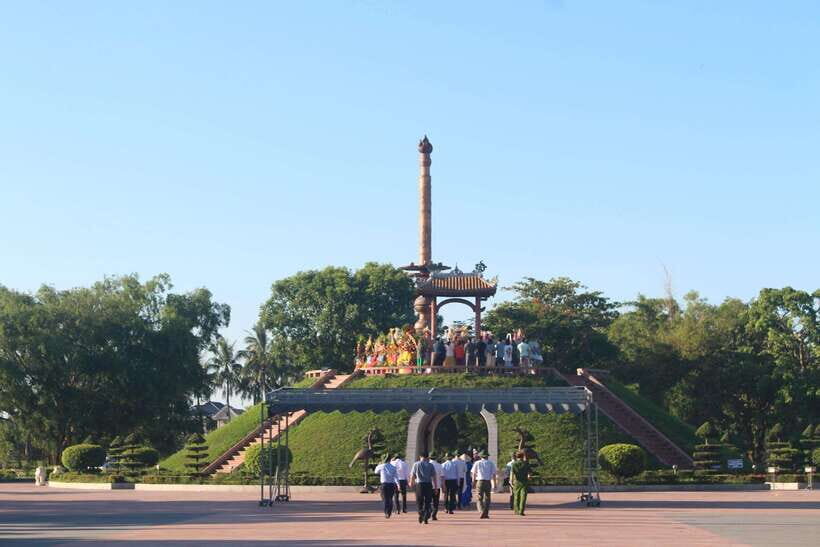
From there, you’ll go to Quang Tri Citadel. This is mostly remembered as the site of the Second Battle of Quang Tri during Vietnam’s resistance against the United States. Today, the citadel is recognized as one of Vietnam’s Special National Sites of Vietnam, connected to a group of seven other historical sites commemorating the Second Battle.
Why I think this makes sense for a day trip: citadels are built for control. When you pair that idea with what happened here, you start seeing the conflict as something with strategy—not just tragedy. If you like your history with clear stakes, this stop will land.
Practical note: you’ll likely do most of the day outdoors and then shift into a darker, more enclosed setting later. Dress so you can handle both.
Hien Luong Bridge and Ben Hai River: the 17th Parallel in real space
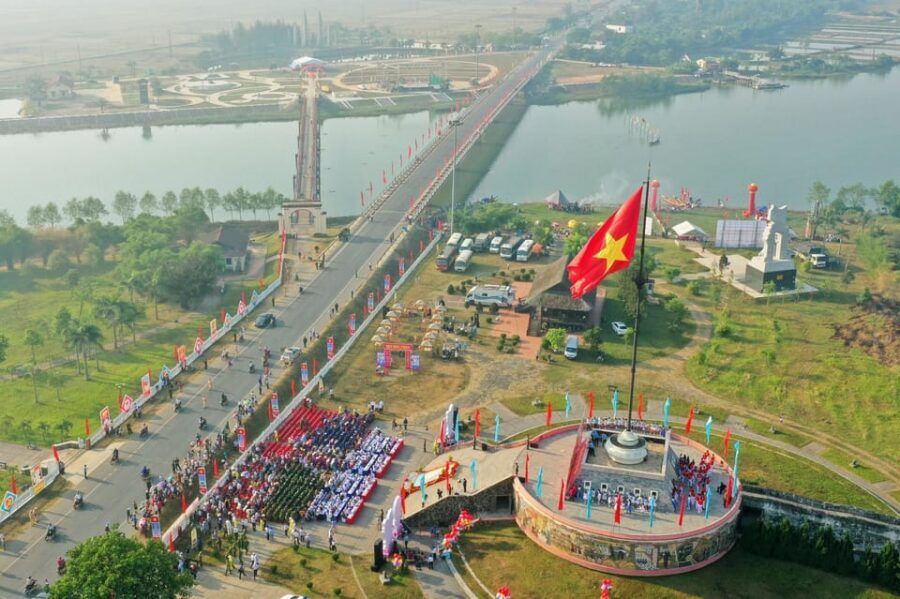
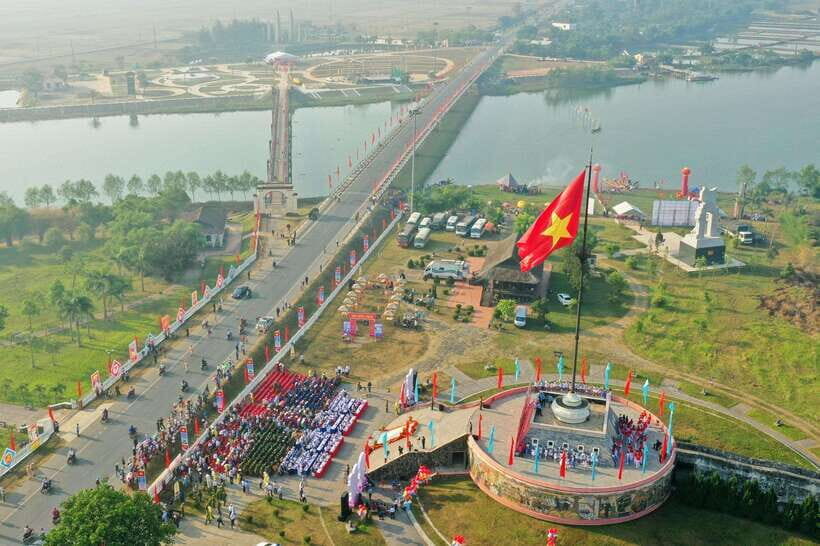
Next comes one of the most meaningful stops on the whole route: Hien Luong Bridge and the Ben Hai River. During the Second Indochina War, these places functioned as historical witnesses of Vietnam’s division into North and South.
Here’s the context you’ll want in your head while you’re there: after the failure at Dien Bien Phu, the Geneva Agreement was signed in 1954. Under that agreement, Vietnam was temporarily divided into two regions, with the 17th Parallel as a borderline. The bridge and river are the kind of locations where you can almost feel how a line on a map becomes a lived reality.
This is also one of the best “slow down” moments in the itinerary. Take a minute. Look at the river/bridge setting and let the idea of a borderline sit with you. You’ll get more out of it that way than if you rush for the next stop.
Vinh Moc tunnel: an underground village you can’t unsee
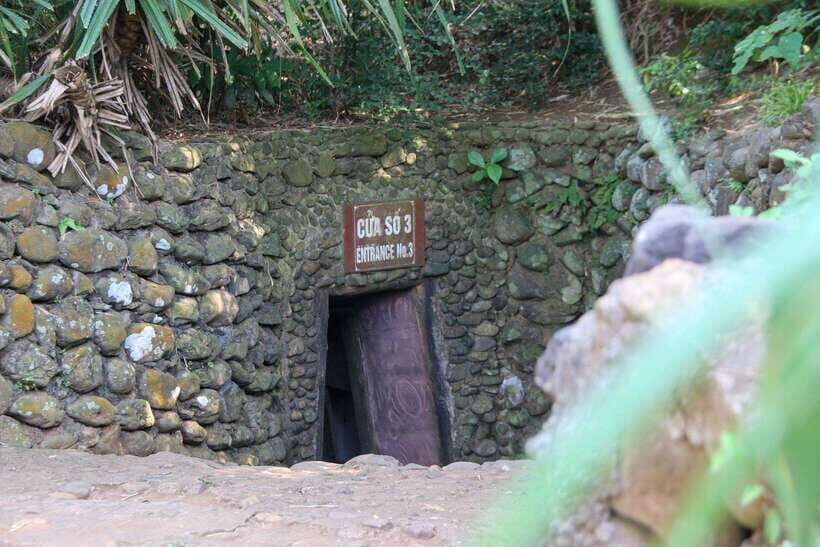
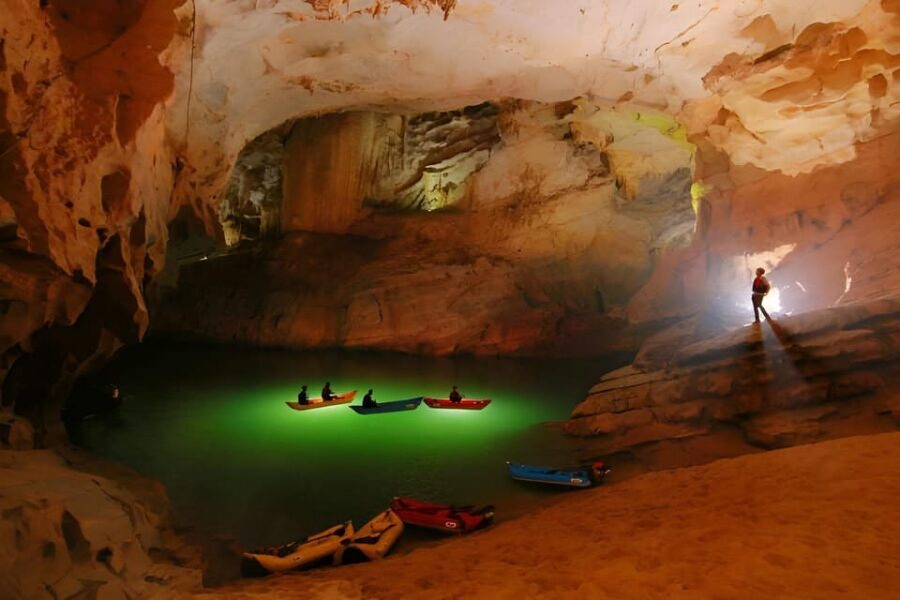
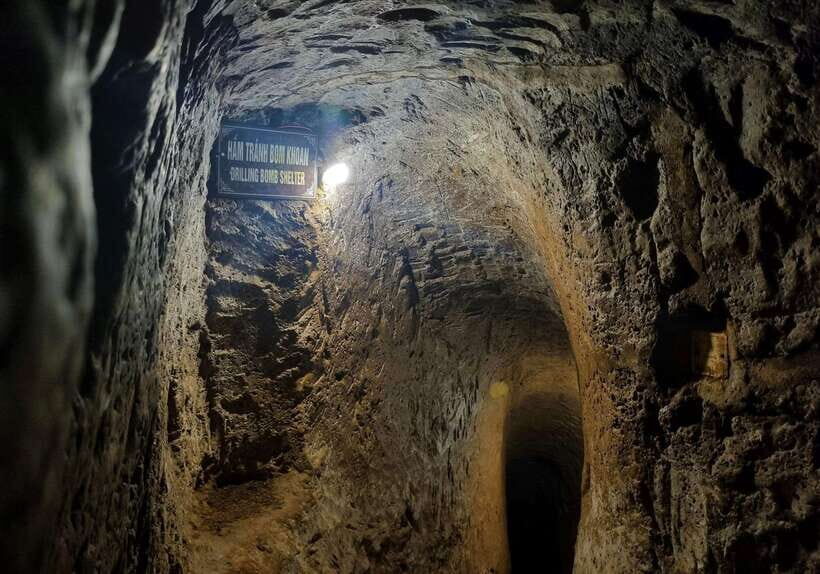
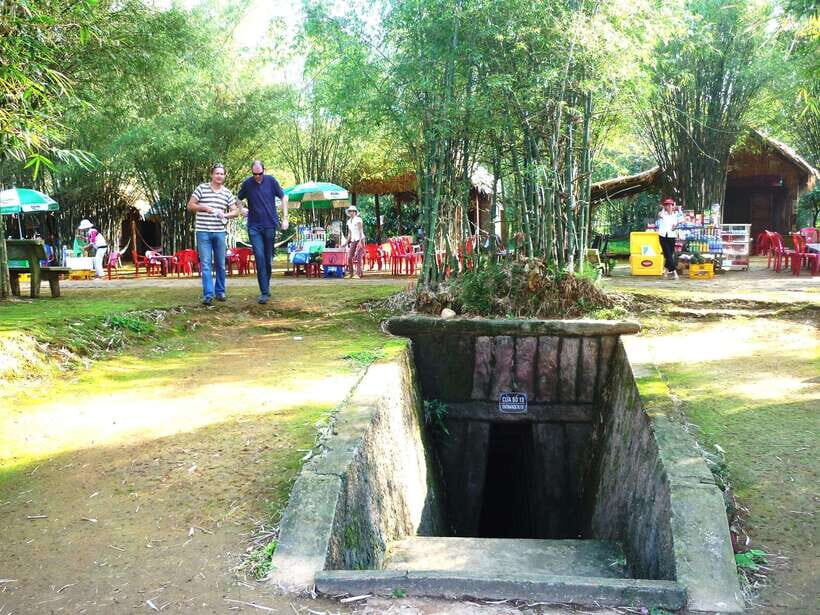
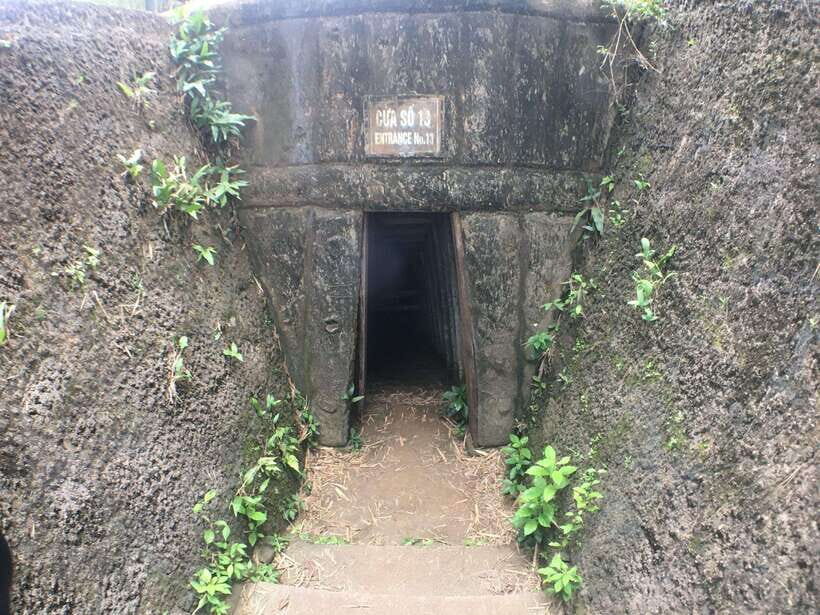
Then you go to Vinh Moc tunnel—often the highlight for people who want history with texture. The tunnel is presented as a miniaturized image of a deep underground village. During the war, villagers dug the tunnels by hand to escape heavy bombing.
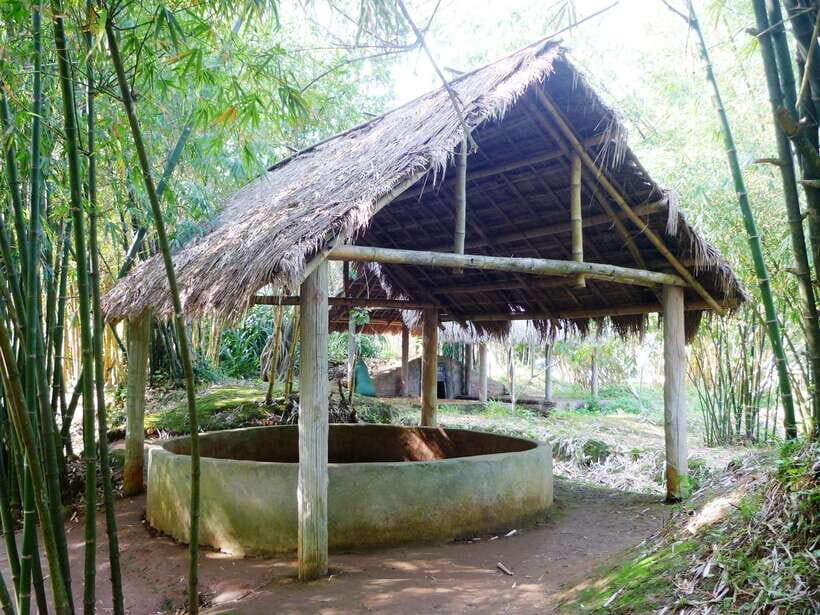
What makes Vinh Moc more than a tunnel is the details: there are kitchens, wells, and rooms where families lived underground for years. That’s a big shift from the way most people picture war zones. Instead of just hiding, these families adapted life itself—meals, water, and daily routines—into confined underground spaces.
A practical consideration: this is an enclosed environment. Even without any special info about temperature or lighting, you should assume it won’t be the same comfort level as outside. Wear comfortable shoes and be ready for an atmosphere that feels very different from the open air.
If you’re sensitive to war stories, this stop can feel heavy. But if you want the day to move beyond dates and names, this is where it becomes human.
Option 2 addition: Khe Sanh Combat Base and Ta Con airport
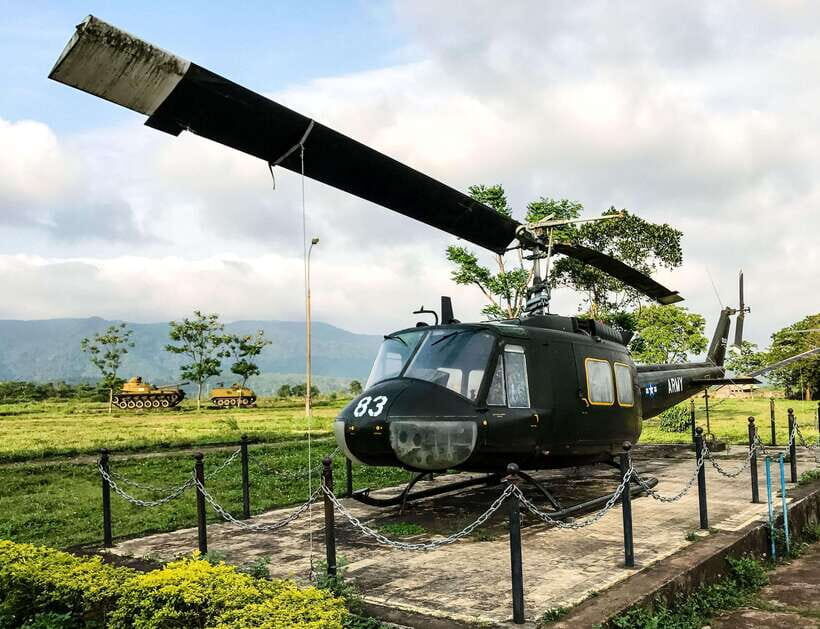
If you choose Option 2, the day expands to include Khe Sanh Combat Base and Ta Con airport. This is for you if you want the “bigger battlefield” picture and not just the DMZ line.
Khe Sanh Combat Base is described as a ferocious battlefield where the Vietnamese army scored multiple heroic wins. In the minds of US Marines, it’s compared to the Second Battle of Dien Bien Phu or even described as a location of hell on earth. It was also the site of the bloodiest battle of the Vietnam War, with around 500 Americans, ten thousand North Vietnamese soldiers, and an unknown number of civilian bystanders killed.
That number mix matters. It’s not just about soldiers. It forces you to remember the civilians caught in the same geography.
Ta Con airport comes next. It played an important role in the Khe Sanh line against the US army in Quang Tri. The airport is described as a central location for command, where weapons and the strongest soldiers were gathered. Today it functions as a historical relic that attracts tourists to visit and explore.
How to read this part of the day: the Khe Sanh stops are about systems—bases, command, logistics—while the tunnel is about survival. Together, they give you both scales.
Price and value: what $16 really buys you
The listed price is $16 per person for a 7–10 hour private day trip with a private car and an English-speaking driver. Transport is usually the expensive piece on long-distance day tours in Vietnam, so this feels like strong value—especially because you’re not sharing the car with strangers.
What you should budget for outside the base price:
- Entrance fees (not included)
- Food and drinks (not included)
That means your final cost can vary depending on how much you spend on tickets and lunch. But the core experience—long-distance private transport through the DMZ corridor—doesn’t look overpriced on paper.
One more value marker: the transport quality has been rated very highly (93% of reviewers gave it a perfect score). For a day with serious road time, that safety/comfort factor matters.
Timing, driving fatigue, and what makes the day feel good
This is a long day. Seven to ten hours isn’t unusual for Hue to DMZ-style routes, but it’s long enough that your comfort choices matter.
Here’s what I’d plan around:
- You’ll be in the car for a big chunk of the day, so wear layers and bring something that helps you stay comfortable.
- Bottled water is included, but you’ll still want to manage your water intake like a normal long trip.
- Since food and drinks aren’t included, decide in advance whether you want a simple lunch stop or if you’d rather buy something on the move.
The reviews attached to this trip also strongly emphasize driver style—especially safe driving and the willingness to answer questions. Guides with names like Trung and Khanh, plus Son, Bin, Harry, and Dung, are repeatedly associated with helpful storytelling and calm, careful driving. That tends to be the difference between a day that feels exhausting and one that feels manageable.
Who this DMZ trip fits best (and who might prefer something else)
This trip is a strong match if you want:
- A private day instead of a bus tour
- A clear geographic story through Quang Tri’s major war sites
- A mix of above-ground history (citadel, bridge) and survival history (Vinh Moc tunnel)
It’s also a good choice for people doing a Vietnam war study trip. If you’ve read about the conflict and want to connect the dots to real places, this itinerary does that.
Who might not love it: if you’re traveling with limited stamina or you dislike long car days. Also, it’s not suitable for wheelchair users.
Should you book this Hue DMZ day trip?
I’d book it if you want the DMZ to feel structured and real: the 17th Parallel theme through Hien Luong Bridge and Ben Hai River, then the living conditions at Vinh Moc tunnel, and—if you choose Option 2—the battlefield logic at Khe Sanh and the relic at Ta Con airport.
I’d think twice if you want a short, relaxing day. This is history-focused, road-heavy, and emotionally serious in places.
If your priority is value, the private car at this price point is the selling point—then entrance fees and lunch are the main variables.
FAQ
What are the two options for this DMZ day trip from Hue?
You can choose either Option 1 (Long Hung Church, Quang Tri citadel, Hien Luong Bridge and Ben Hai River, Vinh Moc tunnel, then back to Hue) or Option 2 (everything in Option 1 plus Khe Sanh combat base and Ta Con airport).
How long does the trip take?
The duration is listed as 7 to 10 hours. Starting times depend on availability.
What’s included in the price?
Included items are a private car, an English-speaking driver, a bottle of water, and toll and parking fees.
What costs are not included?
Entrance fees and food and drinks are not included.
Is the tour wheelchair accessible?
No, it is not suitable for wheelchair users.
Can I cancel or pay later?
Free cancellation is available up to 24 hours in advance for a full refund. You can also reserve now and pay later.