REVIEW · HUE VIETNAM
Hue: Hue Royal Tombs Tour Visit 3 Best Tombs & Pagoda
Book on GetYourGuide →Operated by Samtour Vietnam Company · Bookable on GetYourGuide
Three tombs, one calm car ride. This Hue Royal Tombs Tour stitches together UNESCO royal mausoleums with two culture stops, all on a private car and timed to keep the walking manageable. If you like your Vietnam history with real settings—mountains, lakes, and palace-style architecture—this route makes it easy.
I especially love the Khai Dinh Tomb’s mix of Asian and European-looking design choices, and I love the way Tu Duc’s tomb feels like a retreat, not a monument. Add an incense-making stop in Hue’s Thuy Xuan area, and you get more than sightseeing—you get a small craft experience you can bring home.
The only real watch-out is the cost on top of the $11 price: entrance fees aren’t included and you’ll pay them with cash only at the tombs. Also, this is still a walking-and-steps day, so wear shoes you trust.
In This Review
- Key highlights at a glance
- How This Hue Royal Tombs Loop Saves You Time
- Minh Mang Tomb: Mountain Setting and Imperial-Style Calm
- Khai Dinh Tomb: The Asian-European Architecture Twist
- Tu Duc Tomb: Seclusion, Gardens, and Lakes
- Thuy Xuan Incense-Making Village: Smell-First, Then Hands-On
- Thien Mu Pagoda: Hue’s Icon at Ha Khe Mountain
- Price and Logistics: What $11 Buys (and What’s Extra)
- Getting the Most From Your Stops (Without Rushing)
- Who This Tour Fits Best
- Should You Book Hue Royal Tombs Tour Visit 3 Best Tombs & Pagoda?
- FAQ
- How long is the Hue Royal Tombs Tour?
- What’s included in the price?
- Are entrance fees included for the tombs?
- What entrance fees should I expect to pay?
- Is there an English-speaking guide included?
- Does the tour include the Thuy Xuan incense-making village and Thien Mu Pagoda?
- What’s the cancellation and payment option?
- Final Thought: Book It If You Want UNESCO Tombs Plus One Real Craft Stop
Key highlights at a glance
- Three UNESCO royal tombs in one efficient route: Minh Mang, Khai Dinh, and Tu Duc
- Khai Dinh’s architecture with a clear Asian-European influence
- Tu Duc’s serene setting—gardens, lakes, and a quieter mood
- Thuy Xuan incense village where you can try making incense
- Thien Mu Pagoda at Ha Khe Mountain, one of Hue’s most iconic symbols
- Private car + English-speaking driver, so you’re not wrestling buses between stops
How This Hue Royal Tombs Loop Saves You Time
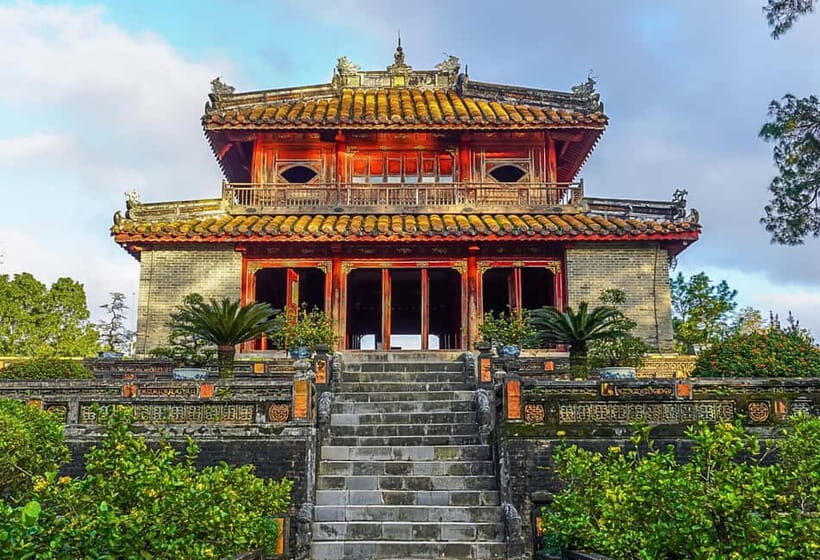
This tour is built for people who want the “big Hue” sights without spending your whole day in transport. You start in Hue, then work through three royal tombs with a steady order—Minh Mang first, then Khai Dinh, then Tu Duc—before finishing with Thuy Xuan incense village and Thien Mu Pagoda.
The real value here is how it reduces friction. A private car handles the jumps between sites, and you’re not trying to figure out timing, parking, or routes. Most of the praised service focuses on smooth, on-time pickups and the way drivers explain what you’re about to see—names like Hien, Austin, Long, and Sunny come up often for making the history feel clear rather than like random facts.
One practical note: this is not marketed as a full guidebook walking tour at every stop. Many drivers handle the explanation themselves (and do it well), but if you want a separate dedicated English guide, there’s an additional $45 English-speaking guide option.
If you're still narrowing it down, here are other tours in Hue Vietnam we've reviewed.
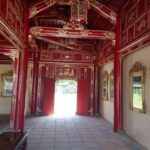


Minh Mang Tomb: Mountain Setting and Imperial-Style Calm
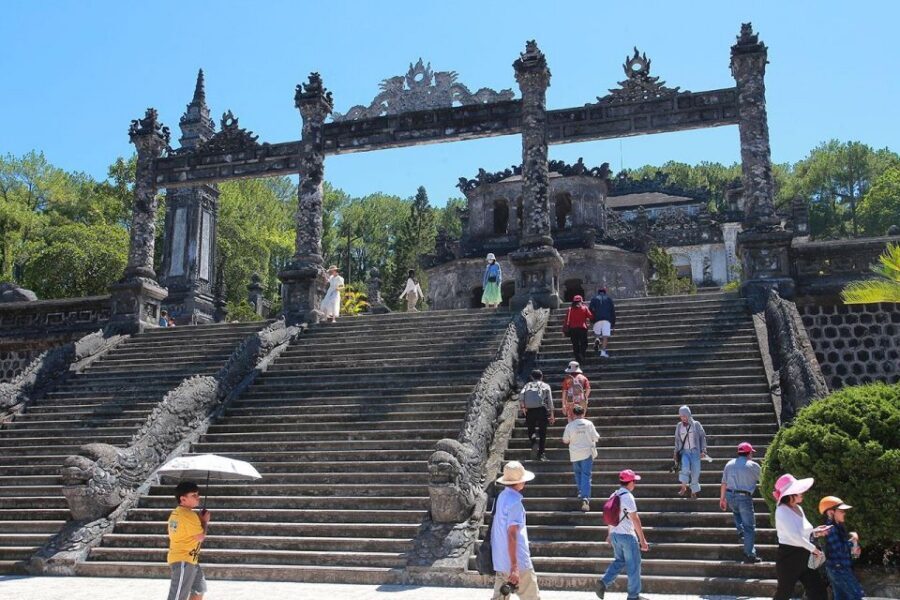
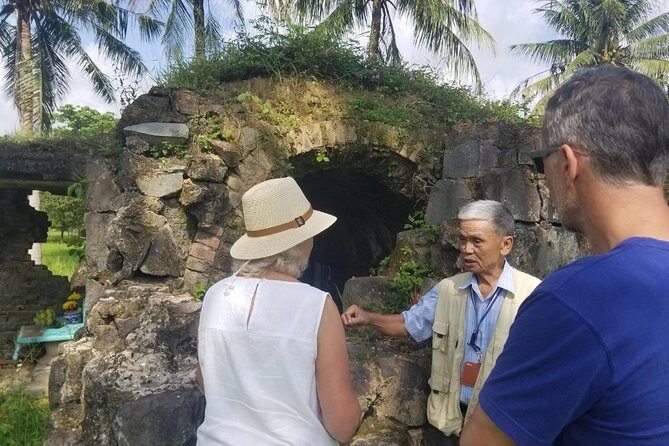
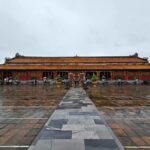
Minh Mang’s tomb is the one that feels most “planned” and ceremonial. You’ll visit the mausoleum of Emperor Minh Mang—the second emperor of the Nguyen Dynasty—on Cam Khe Mountain. Even if you’re not a die-hard architecture person, the mountain setting changes how you read the tomb. You’re not just looking at structures; you’re looking at how the emperor’s world was shaped by terrain, elevation, and symmetry.
Expect about an hour here for sightseeing and walking. That’s usually enough time to get a feel for the layout without rushing through the details. The tomb is also listed as a UNESCO World Heritage Site and is considered one of the best-preserved royal tombs in Vietnam.
What I like for your experience: this stop gives you a strong “baseline” for the Nguyen style before you jump to Khai Dinh’s more unusual hybrid architecture. If you can, take a slow walk and don’t only photograph the first front view. The tomb’s setting makes it worth stepping back and letting the full composition land.
A small heads-up: many people note steps and walking across these sites, so plan for that energy early rather than late. If you’re sensitive to heat, this morning-style order (often quieter earlier in the day) also helps.
Khai Dinh Tomb: The Asian-European Architecture Twist
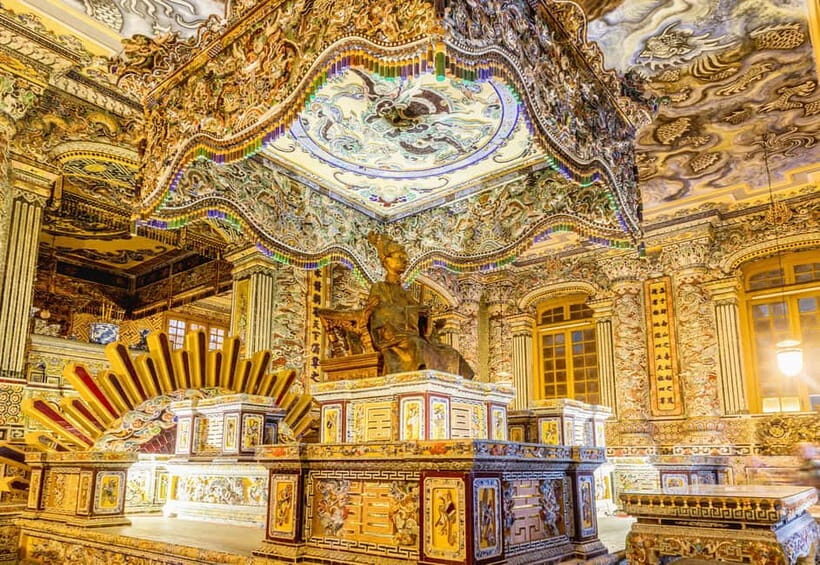
Khai Dinh is where the tour earns its wow factor. You’ll head next to the mausoleum of Emperor Khai Dinh, located on Chau Chu Mountain, and yes—this one is also UNESCO-listed.
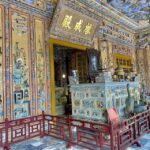
The biggest reason this stop sticks with people is its unique Asian and European-style architectural blend. It’s not subtle. The forms and decorative choices feel like a conversation between styles, and that makes it more than just another tomb stop. The architecture gives you a clue about the era and the cultural influences reaching Vietnam at the time of the Nguyen court.
The itinerary gives around an hour here, with time for photos and sightseeing. If you like to understand what you’re looking at, this is one of the best moments to lean into your driver’s explanations. Several praised guides (like Austin and Vu in different customer write-ups) are singled out for connecting the design to Hue and Vietnamese culture, not just labeling places.
Practical tip: give yourself a couple of minutes to look first, then take photos. At Khai Dinh, it’s easy to get trigger-happy and miss how different elements relate to each other. One calm look first makes the photos come out better later, too.
Tu Duc Tomb: Seclusion, Gardens, and Lakes
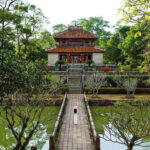
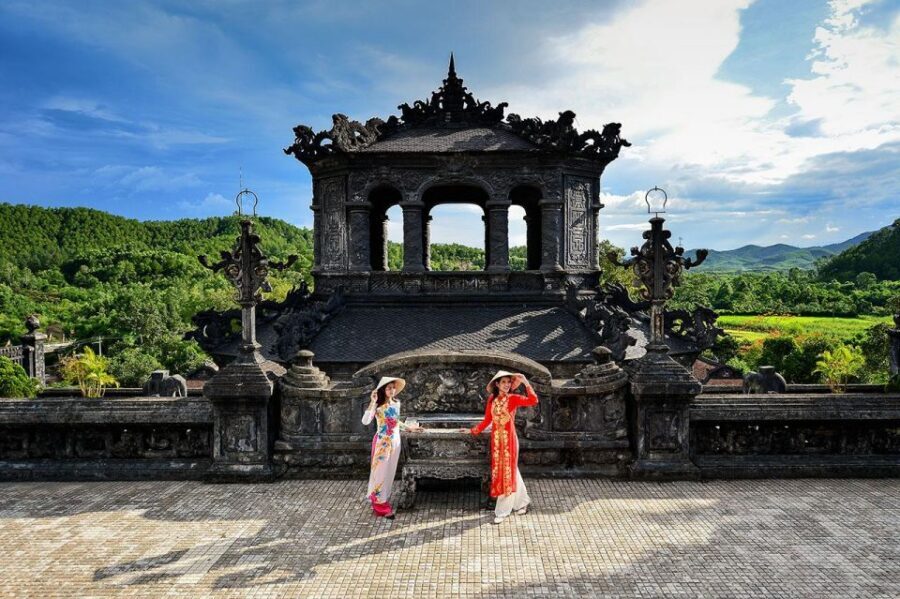
Then comes Tu Duc—quiet, scenic, and a nice shift in tone. This is the tomb of the fourth Nguyen emperor, and it’s known for its secluded location and peaceful atmosphere. Instead of feeling like a busy landmark, Tu Duc has the feel of a garden world built around water.
You’ll spend about an hour here. The flow includes photo time, then more visiting and sightseeing. The highlights are the gardens and lakes, which are part of why this stop feels different from the more ceremonial mood of Minh Mang. It’s the kind of place where you’ll naturally slow down, because there’s more visual breathing space.
If you get a good driver explanation here, it can click into place fast: you start seeing the tomb not only as a final resting place, but also as a statement of how the emperor imagined comfort, reflection, and order.
Watch-out for comfort: this is still an outdoor site, and walking paths can mean more steps than you expect. Wear shoes with grip, and take breaks when you need them. One review singled out rain timing as a bonus for the calm feeling—so if weather is mixed, you may still get the serene vibe.
Thuy Xuan Incense-Making Village: Smell-First, Then Hands-On
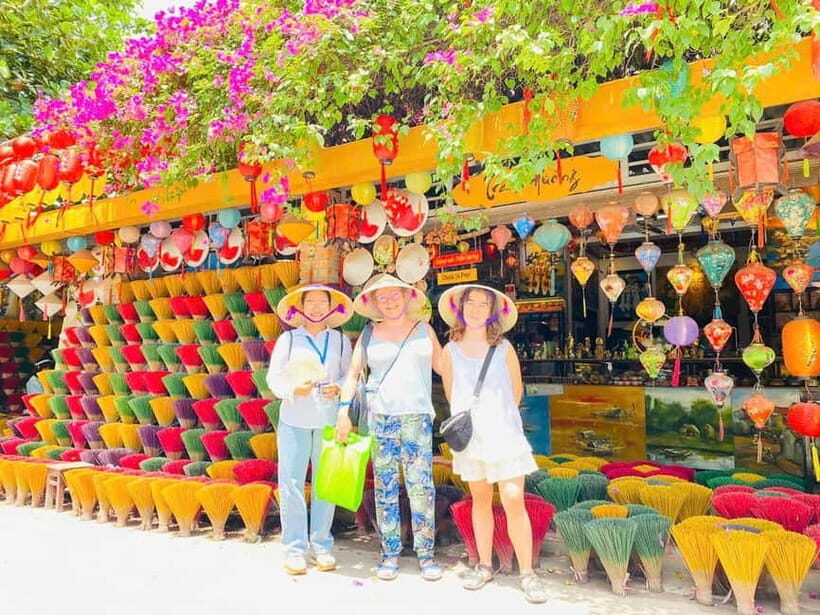
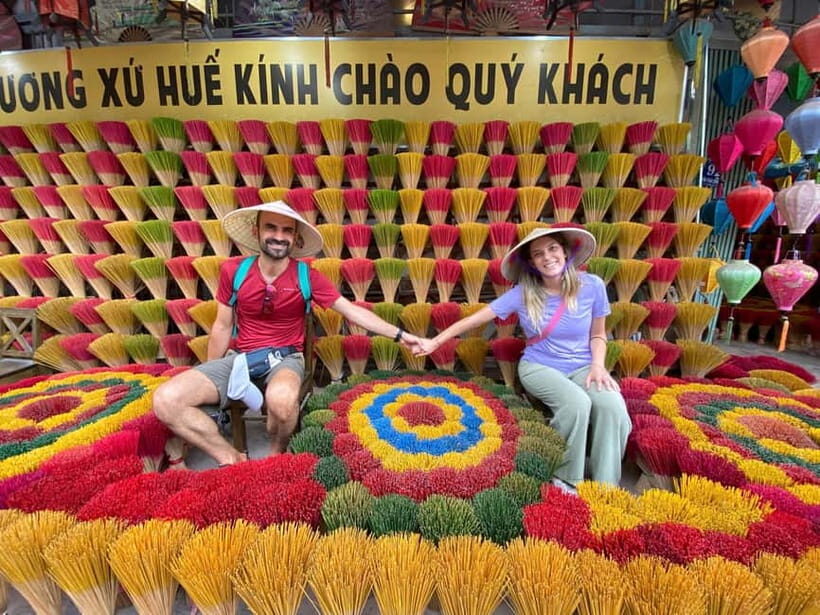
After the tombs, the tour shifts from royal stone to everyday craft. You’ll stop at Thuy Xuan (Hue Incense-making) Village. The itinerary allows a shorter break—about 30 minutes—with photo time and sightseeing, so this isn’t a full workshop class. Still, the experience is designed around the point that incense making has been a craft here for more than 700 years.
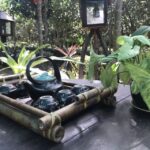
What you’ll notice first is the color. Incense bouquets look bright and theatrical, and they’re a big part of why people stop. Then you get the fun part: an opportunity to make incense with artisans who are described as friendly and approachable.
A few review details are especially helpful for setting expectations. One person noted rolling incense for free and described scents like jasmine, lavender, and lemongrass. So if you’re the type who likes sensory souvenirs, this is a good match: you don’t leave with just photos; you leave with a smell that can remind you of Hue.
Practical move: keep your plan simple in this stop. The time is short, so arrive ready to ask questions, pick a scent, and participate. If you’re traveling light, make sure you can carry your incense safely.



Thien Mu Pagoda: Hue’s Icon at Ha Khe Mountain

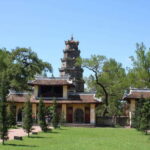
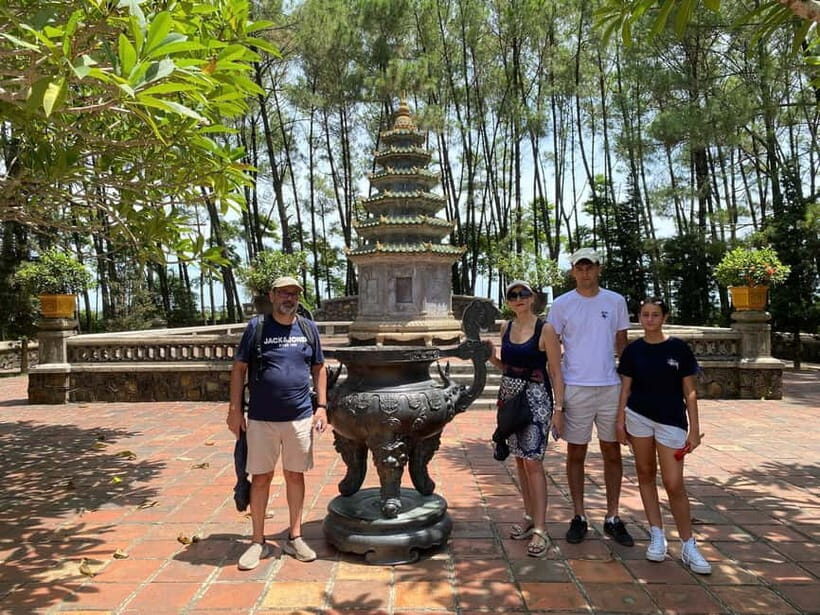
You’ll finish with a stop at Thien Mu Pagoda, the Pagoda of the Celestial Lady. It’s on Ha Khe Mountain, about 5 kilometers southwest of the Imperial City of Huế, and it’s one of Hue’s most recognizable landmarks.
The itinerary includes photo time, visiting, and a walk for about 30 minutes. This is a great final stop because it offers a different perspective from the tomb route. Here, the spiritual tone is visible in the architecture and atmosphere, and it helps you connect Hue’s royal story to its wider cultural life.
This is also where timing matters. One review highlighted going early (around 7:30) and enjoying a quieter pagoda even in light rain. If your schedule gives you options, choose the earliest workable start time to reduce crowd pressure and make the walk feel more peaceful.
Dress note: this is a religious site. Wear clothing that covers shoulders and knees when possible, and treat it like a place you enter respectfully, not just a photo stop.
Price and Logistics: What $11 Buys (and What’s Extra)
On paper, the $11 per person price looks like a steal for a private car and multiple major sites. And in many ways, it is good value: you get hotel pickup and drop-off, a private car, an English-speaking driver, bottled water, and passenger insurance.
But you should budget for the parts that are not included:
- Entrance fees for each royal tomb: Minh Mang (150,000 VND), Tu Duc (150,000 VND), Khai Dinh (150,000 VND)
- An optional English-speaking guide: $45
- Food and drinks (not included)
Also, pay attention to payment method. Entrance fees for the royal tombs and the Imperial City are cash only. That’s a classic Vietnam “small but important” detail—bring the right cash before you go so you don’t lose time at the gate.
What this means for your decision: if you’re comfortable paying separate site fees and you don’t need a separate guide for every stop, this tour can feel like excellent value. If you do want a dedicated English guide, add the $45 cost to your budget and confirm how that guide fits into the timing.
Getting the Most From Your Stops (Without Rushing)
This is the kind of tour where the “right mindset” matters. You’ll see three tombs in one day window, so your success comes from managing pace:
- Ask for context before you enter the main areas. Several praised drivers (Hien, Austin, Long) were praised specifically for giving information about each site right before arrival.
- Take one slow moment at each tomb. Don’t try to see everything at full speed.
- Save your extra photos for Khai Dinh’s architecture. It’s the most visually distinct stop.
Comfort helps too. Many review notes focus on air-conditioning in the car and water availability. One review even mentioned coconut water to rehydrate, which is the kind of extra that makes heat feel less annoying. You can’t count on that every day, but bottled water being included is a real plus.
Who This Tour Fits Best

This tour suits you if:
- You want three UNESCO tombs without piecing together transport
- You like history explained in plain language during the ride (drivers like Hien/Austin/Long get praised for this)
- You want a short craft stop at incense village, not just more stone temples
It may be less ideal if:
- You expect a full, separate English guide for every site as part of the base price
- You have very limited mobility. The tombs involve walking and steps, and the pagoda has a walk too
Should You Book Hue Royal Tombs Tour Visit 3 Best Tombs & Pagoda?

If you’re staying in Hue for a short time and want the core royal highlights—Minh Mang, Khai Dinh, Tu Duc—this is an efficient, good-value plan. The strongest reasons to book are the UNESCO tomb trio and the way the incense village adds a hands-on, sensory break before the iconic Thien Mu Pagoda.
Just go in with the right expectations: bring cash for entrance fees, expect some steps, and consider the optional $45 English guide only if you truly want someone dedicated to interpretation at every stop.
FAQ
How long is the Hue Royal Tombs Tour?
The tour is listed as lasting about 4 hours (it’s described as 4 hours – 1 day).
What’s included in the price?
It includes hotel pickup and drop-off, a private car, an English-speaking driver, bottled water, and passenger insurance.
Are entrance fees included for the tombs?
No. Entrance fees are not included, and they are cash only at the Royal tombs/Imperial City entrances.
What entrance fees should I expect to pay?
The listed entrance fees are 150,000 VND for Minh Mang, 150,000 VND for Tu Duc, and 150,000 VND for Khai Dinh.
Is there an English-speaking guide included?
An English-speaking guide is not included by default. There is an English guide option for $45.
Does the tour include the Thuy Xuan incense-making village and Thien Mu Pagoda?
Yes. The itinerary includes a stop at Thuy Xuan incense-making village and a stop at Thien Mu Pagoda (Pagoda of the Celestial Lady).
What’s the cancellation and payment option?
Free cancellation is offered up to 24 hours in advance for a full refund, and you can reserve and pay later (book now and pay nothing today).
Final Thought: Book It If You Want UNESCO Tombs Plus One Real Craft Stop
I’d book this when you want maximum Hue in limited time: three major UNESCO tombs, a different architectural highlight at Khai Dinh, a calm garden-lake mood at Tu Duc, and an incense village stop where you actually make something. Just budget for cash entrance fees and wear shoes built for steps.