REVIEW · HUE VIETNAM
Hue: Half-Day DMZ Tour to Vinh Moc Tunnels by Private Car
Book on GetYourGuide →Operated by Hue Private Drivers · Bookable on GetYourGuide
The DMZ story hits hard, fast. A private-car half-day from Hue brings you to the old line between North and South Vietnam, then down into the Vinh Moc Tunnels, where daily life went underground during U.S. bombing.
I like that you get comfortable door-to-door transport with a driver who can handle the long road without turning the day into a stress test. I also like the human scale of the stops: bridges, rivers, and a real living shelter, explained by local site guides with solid English.
One thing to keep in mind: this is labeled half-day, but it’s still a long day on the road. And in some periods, parts of the on-site museums or displays can be closed or under repair, so the tunnel experience depends more on the guide and the visit itself.
In This Review
- Key highlights at a glance
- Hue to the DMZ by private car: exactly the right pace
- Hien Luong Bridge: a peace symbol with a loud history
- Ben Hai River: the DMZ buffer zone becomes more than a line on paper
- Vinh Moc Tunnels: underground life you can’t forget
- A heads-up about possible closures or reconstructions
- Timing and logistics: why this is sometimes a 6–10 hour day
- Price and value: why around $16 can work (and when it won’t)
- Who should book this DMZ tour from Hue
- How to get the most from your guide and your tunnel walk
- Should you book this Hue DMZ tour to Vinh Moc Tunnels by private car?
- FAQ
- How do I get picked up for this Hue DMZ tour?
- What are the main stops during the day?
- How long is the Vinh Moc Tunnels visit?
- Do I need to bring a flashlight?
- What’s included in the price?
- Are meals included?
- What should I bring, and what isn’t allowed?
- Who is this tour not suitable for?
Key highlights at a glance
- Hien Luong Bridge as the symbolic border after the 1954 Geneva Agreement
- Ben Hai River as the visual anchor of the DMZ around the 17th parallel
- Vinh Moc Tunnels and the underground village built to survive heavy bombing
- Local guides + included entrance fees, so you’re not piecing things together yourself
- Private car comfort with pickup in Hue and an English-capable driver
Hue to the DMZ by private car: exactly the right pace
Central Vietnam is long and road trips take time. This tour makes sense because it’s built around a private car with air-conditioning and a driver who handles the route while you focus on the history.
You’ll start with pickup from your hotel or homestay in Hue. Plan to be ready in the lobby at least 10 minutes early, because the day moves at a real travel pace, not a sit-and-wait pace. This setup matters if you’re tired from other Hue sites and want the DMZ day to feel structured.
The drive isn’t just transit. You stop at major signposts along the way, so you’re not spending hours staring out the window wondering if this is worth it. And once you reach the DMZ area, your time on the ground is guided and intentional.
If you're still narrowing it down, here are other tours in Hue Vietnam we've reviewed.

Hien Luong Bridge: a peace symbol with a loud history
Hien Luong Bridge is one of those places where you can understand the war-era story without needing fancy maps. The bridge marked the practical border line between North and South Vietnam after the Geneva Agreement in 1954, signed after the Dien Bien Phu victory.
What I like here is how the bridge works as a symbol. It wasn’t just geography; it was where politics became real for people living on both sides. Even if you’ve read about the Geneva Accords in class, seeing a physical crossing makes the concept stick.
You’ll get time to visit and walk around at the bridge, not just a quick photo stop. That extra walking window is useful because it gives you a chance to understand how the area is laid out and how a border can split daily movement.
One practical note: wear comfortable shoes. You’ll be on your feet, and you’ll want your legs fresh for the later tunnel visit.
Ben Hai River: the DMZ buffer zone becomes more than a line on paper
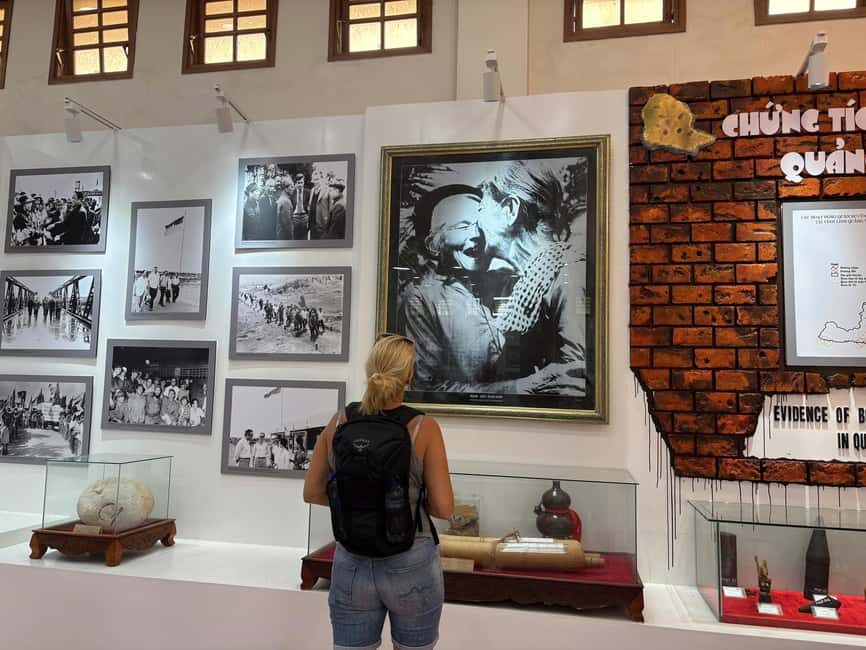
Next comes the Ben Hai River, tied to the way Vietnam was divided under the 1954 Geneva Accords. This river sits along the 17th parallel in Central Vietnam, and it became the heart of the DMZ concept.
Here’s the value for your brain: the tour doesn’t treat the DMZ like an abstract phrase. It anchors it to a real geographic feature, then connects that to the buffer zone idea—five kilometers on each side—meant to reduce conflict.
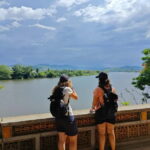
You’ll have a short photo stop and sightseeing time by the river. Even in a brief window, you can usually get oriented fast: where the river is, how the area feels, and why this is one of the most referenced markers of the DMZ.
If you like history that feels spatial—where you can stand and picture what military lines meant for families—this stop does the job.
Vinh Moc Tunnels: underground life you can’t forget
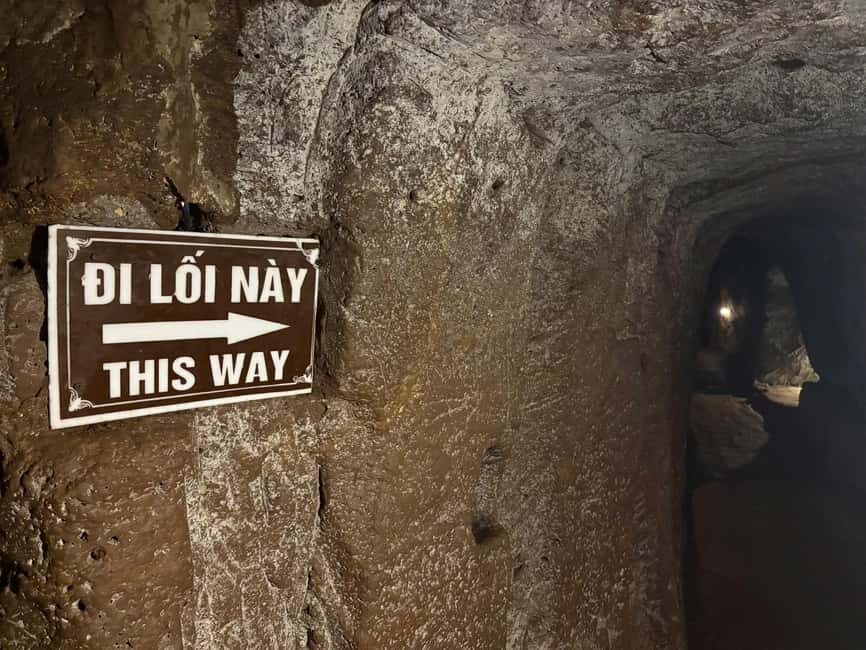
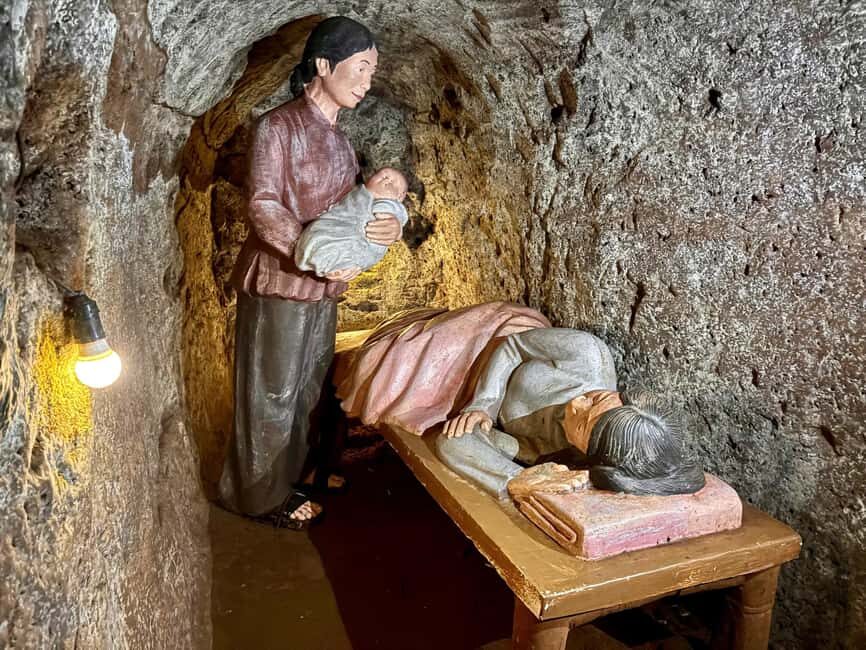
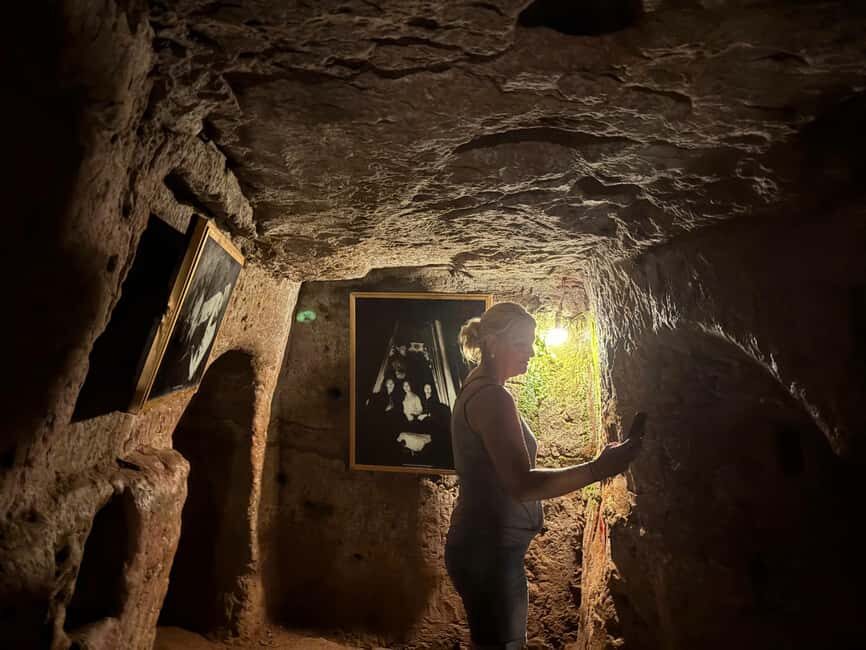
Vinh Moc Tunnels are the main reason most people book this tour, and they deserve the attention. The system is in Quang Tri province, and it was developed after Vinh Moc village was heavily bombed in 1965.
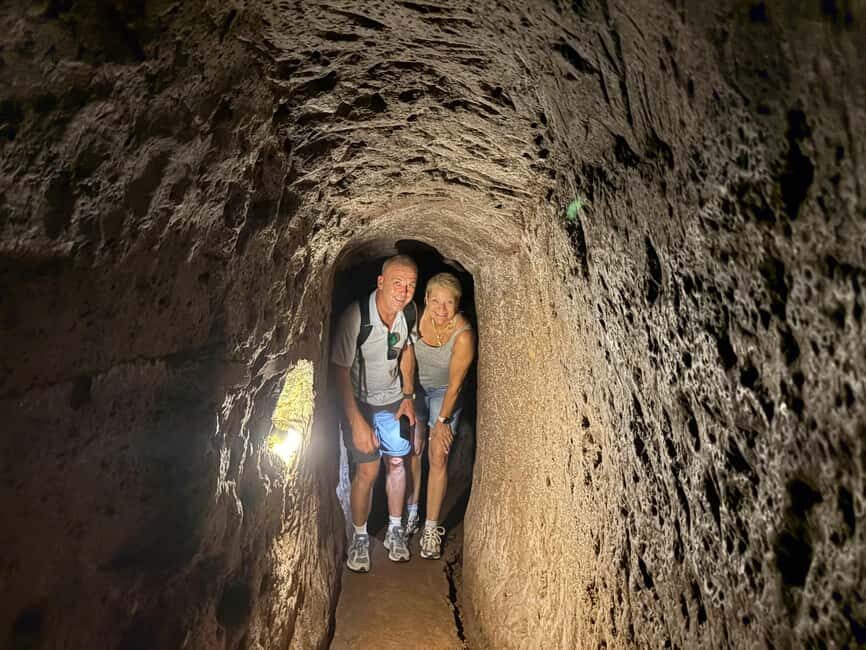
The big takeaway is that these weren’t just emergency shelters. The tunnels formed an underground network that functioned as a safe haven and living space during the war. That turns the story from battles to survival, from slogans to routine.
Your visit includes guided time and a walk through the tunnels for about an hour. Bring a flashlight. Even with lighting in some parts, you’ll feel the difference when your eyes adjust and you’re moving through enclosed spaces. And yes, the flashlight is one of those small items that can make the difference between an okay visit and a memorable one.
Here’s my practical advice: move slowly inside. You don’t need to rush to get the engineering details. Take a breath, look where the guide points, and let the scale sink in. Several guides are able to connect the structure to lived experience, including personal family stories tied to the tunnels.
A heads-up about possible closures or reconstructions
The tunnel area can change over time, and parts of related museum sections may be closed or under reconstruction. In that case, don’t panic about losing the experience. You’ll still get the core visit through the tunnels, and a good guide can keep things meaningful even when displays are limited.
Timing and logistics: why this is sometimes a 6–10 hour day
The tour is labeled half-day, but the full schedule can stretch to 10 hours depending on your pickup time, stops, traffic, and how long you stay at each site. Expect the drive to take significant chunks out of the day, because Hue to the DMZ area is not next door.
That long driving component is the tradeoff you’re paying for convenience. The upside is you don’t have to coordinate public transport, then haggle over schedules while you try to keep the visit times aligned.
Plan your day like a real excursion. If you’re stacking other Hue activities on the same day, keep a buffer. If you’re traveling between cities, do this on a day where you can move slowly afterward.
Also, bring sunscreen and a hat. You’ll spend time outside at least at Hien Luong Bridge and Ben Hai River, and Central Vietnam sun can be relentless.
Price and value: why around $16 can work (and when it won’t)
At about $16 per person, this is budget-friendly for a private-car day with guide support. The main value comes from what’s included: an air-conditioned private car, a driver with basic English, a local guide at the sites, entrance fees, bottled water, and road tolls, parking, and fuel.
For many travelers, entrance fees alone would add up quickly if you were doing it independently. Plus, the local guides help you interpret what you’re seeing, especially around the tunnel story and the border symbolism.
What’s not included is meals and personal expenses. That’s not a dealbreaker, but it does affect how long the day feels. If you’re prone to skipping lunch, this is a trip where you’ll want to plan for food during your free time between stops.
You’re also paying for comfort and reduced hassle. If you’re the type who enjoys learning from a guide but hates scrambling for transport, this price-to-convenience ratio is strong.
Who should book this DMZ tour from Hue
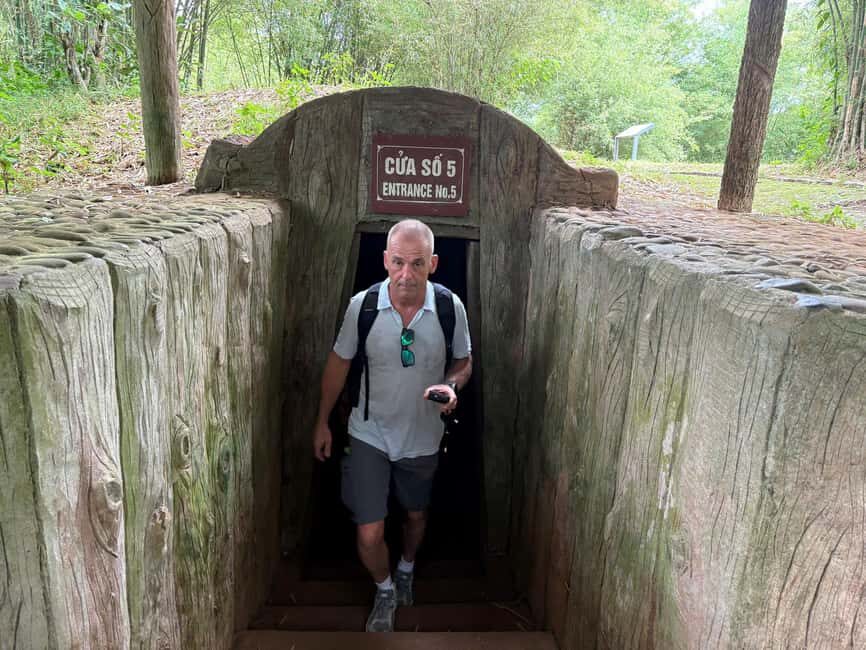
This tour is ideal if you want Vietnam war history that feels personal and concrete. The combination of Hien Luong Bridge, Ben Hai River, and the Vinh Moc Tunnels gives you both the political geography and the human survival side.
It’s a good fit for couples, friends, and solo travelers who want private transport. It also works well if you’re visiting Hue and you’re hungry for one big, meaningful day trip that doesn’t require navigating.
It may not suit you if you have certain physical limits. The tour isn’t suitable for pregnant women, people with back problems, people with high blood pressure, or people over 95 years old. And inside tunnels, space can feel tight and walking can be tiring.
If you’re traveling with kids, check your comfort level with dark enclosed areas and long walking time. The tunnel visit is the headline, so decide based on that.
How to get the most from your guide and your tunnel walk
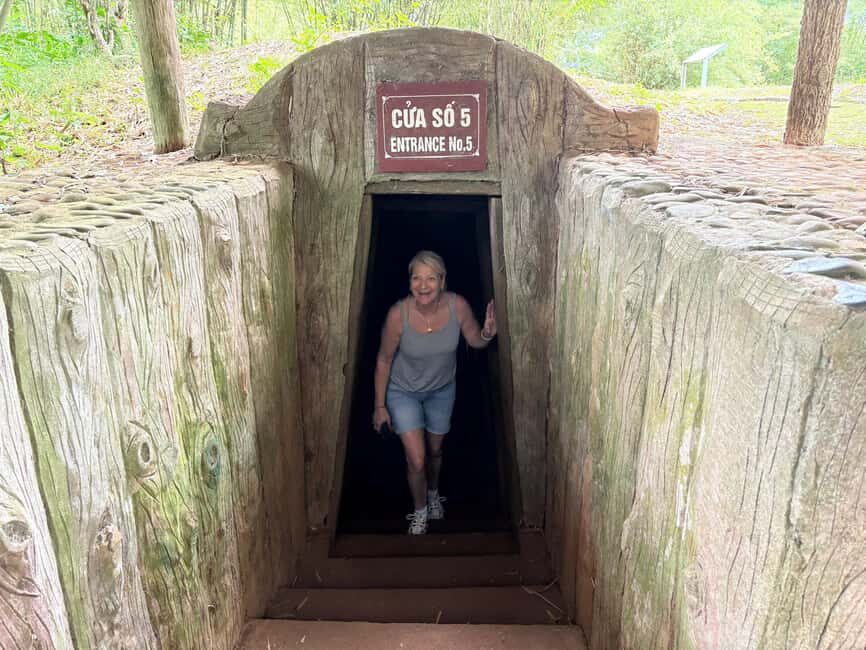
A big part of the experience is how the guide connects structures to human stories. Inside the tunnels, the time is limited, so come prepared to ask simple questions.
Bring a camera if you want photos outside at the bridge and river. Inside the tunnels, prioritize seeing and listening over perfect shots, since moving safely matters more than filming.
Wear shoes you can trust on uneven surfaces. And remember the flashlight. That one item is small, but it’s a common reason people feel unprepared for tunnel environments.
If you want extra photo stops on the way back to Hue, ask politely if there’s time. Some days allow for short diversions, and a well-timed stop can turn a scenic route into a memorable moment.
Should you book this Hue DMZ tour to Vinh Moc Tunnels by private car?
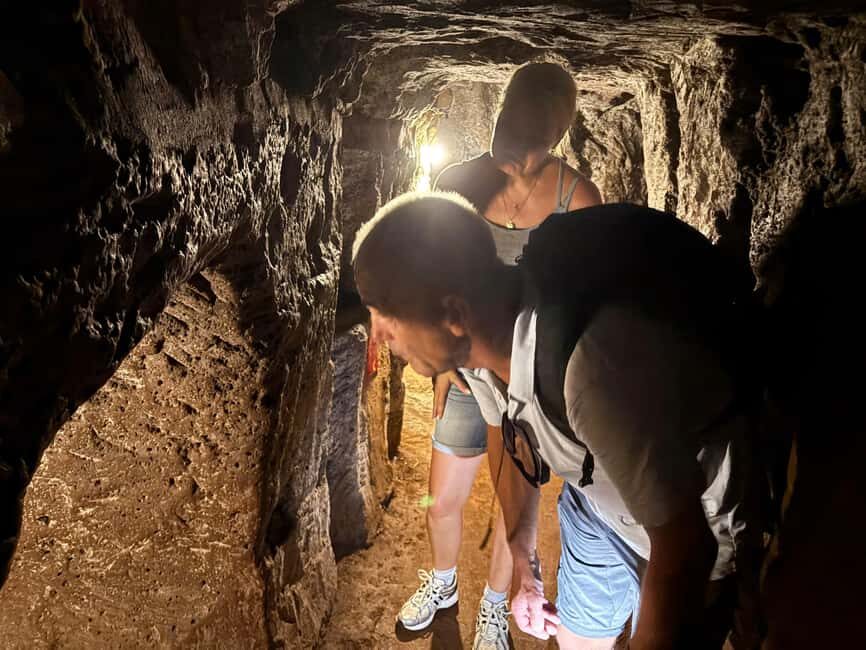
If your goal is a meaningful day trip from Hue that blends border history with the underground reality of the Vietnam War, I’d book it. The included guides and entrance fees make it feel complete, and the private car keeps the day from turning into a transport puzzle.
I would hesitate only if you hate long drives or you’re sensitive to confined spaces. In that case, you might want to rethink the tunnel portion or choose a different format.
FAQ
How do I get picked up for this Hue DMZ tour?
You’ll be picked up directly from your hotel or homestay in Hue. Plan to be ready and waiting in the lobby at least 10 minutes before your scheduled pickup time.
What are the main stops during the day?
You’ll visit Hien Luong Bridge, stop at Ben Hai River for photos and sightseeing, and then visit the Vinh Moc Tunnels, before returning back to Hue.
How long is the Vinh Moc Tunnels visit?
The tunnel visit includes sightseeing and a walk for about 1 hour.
Do I need to bring a flashlight?
Yes. A flashlight is recommended to explore the Vinh Moc tunnels.
What’s included in the price?
Included are a private air-conditioned car, a driver that speaks basic English, local guides on the sites, entrance fees, bottled water, and road tolls, parking fees, and fuel.
Are meals included?
No. Meals and personal expenses are not included.
What should I bring, and what isn’t allowed?
Bring comfortable shoes and a flashlight. Sunscreen and a hat are recommended. Smoking in the vehicle and alcohol or drugs are not allowed.
Who is this tour not suitable for?
It isn’t suitable for pregnant women, people with back problems, people with high blood pressure, or people over 95 years old.