REVIEW · HUE
Vietnam DMZ Tour from Hue With The Best DMZ Guide
Book on Viator →Operated by Phong Nha Locals Travel & Transport · Bookable on Viator
Real war history, told with care.
What makes this Hue DMZ tour worth your time is the way the Vietnam conflict gets explained by an English-speaking guide fluent in the war’s history, and then shown through real places you can stand in. I especially liked how the stops focus on Vietnamese determination and creativity during fierce fighting, not just dates and headlines. One drawback to plan around: it is a long day with a lot of time in the car, so if you hate being stuck in transit, this might feel like half a day moving from one site to another.
By the time you reach the DMZ memorial sites and tunnels, the long drive starts to make sense. You also get private transportation, hotel pickup in Hue, and lunch included, which cuts down on the stress of coordinating food and timing. Expect a serious, reflective day more than a casual sightseeing loop.
In This Review
- Key Highlights You’ll Actually Feel During the Day
- Why La Vàng Church Is a Calm Start Before the DMZ
- Hiền Lương Bridge and Ben Hải River: Where the Border Becomes Real
- Đa Krông and Dakrong Bridge: The Ho Chi Minh Trail Connection
- Khe Sanh Combat Base: A Museum Stop That Earns Its Time
- Vĩnh Mốc Tunnels: Civilian Shelter Engineering Under the DMZ
- The Guide Is the Real Value (Not Just the Stops)
- Price and Value for a Full-Day Private DMZ Experience
- How to Plan: The Long Ride, Weather, and Comfort Tips
- Who This Tour Suits Best (and Who Might Want Another Option)
- Should You Book This Hue DMZ Tour From Hue?
- FAQ
- How long is the Hue DMZ tour?
- How much does the tour cost per person?
- Is hotel pickup included?
- What stops are included during the day?
- Is lunch included?
- What’s included in the tour price?
- Are tickets or admissions included?
- What’s the refund or cancellation policy?
- Does the tour run in any weather?
Key Highlights You’ll Actually Feel During the Day
- An English-speaking guide fluent in Vietnam war history who ties each stop to a clear story
- Hiền Lương Bridge and the Ben Hải River as a physical boundary line, not just a concept
- Dakrong Bridge/Đa Krông area connected to routes used during the Ho Chi Minh Trail era
- Khe Sanh Combat Base time plus a small museum to match the scale of the fighting
- Vĩnh Mốc Tunnel network shown as civilian shelter engineering, not war film drama
- Lunch, bottled water, and all site fees included so you can focus on learning
Why La Vàng Church Is a Calm Start Before the DMZ
You start early with hotel pickup around 7:30 am, and the day begins with a stop at La Vàng Church. This is a quick visit with free admission, and it’s mainly there to give you a breather before the heavier sites later.
I like this pacing. It keeps the day from becoming nonstop grim the moment you leave Hue. Also, La Vàng is a strong photo stop: you can grab a few pictures, stretch your legs, and reset your brain before you get to the border imagery and war structures that follow.
Practical note: since this is a short photo-and-walk stop, don’t treat it like a full church visit. Use it as a mental palate cleanser and then keep moving.
Other DMZ and Vinh Moc Tunnels tours from Hue
Hiền Lương Bridge and Ben Hải River: Where the Border Becomes Real
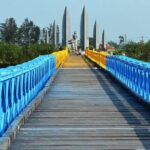
Next comes the part that many people come for: the Hiền Lương Bridge and Ben Hải River. This boundary is described as separating Vietnam into two parts, which makes the stop feel more immediate than a lecture ever could.
Here’s what I found useful to pay attention to: the guide frames the bridge and river as a line that has carried meaning through multiple periods of conflict, not just one snapshot. The area is also described as having been made on the 17th parallel line during the France and Indochina war. Later conflict-era uses add even more weight to what you’re seeing.
This stop is also relatively short, so you’re not stuck. You’re given time to look, take photos, and understand why this location keeps coming up in DMZ storytelling. It’s one of those places where your brain has to slow down just a little.
If you’re the kind of person who likes to ask questions, this is a good moment. The bridge is the kind of setting where a good guide’s explanation really lands, because you can point at the boundary itself.
Đa Krông and Dakrong Bridge: The Ho Chi Minh Trail Connection
After the bridge area, you continue to Đa Krông, with a short stop focused on Dakrong Bridge. This is described as the beginning point of one of the main trails of the Ho Chi Minh Trail that led toward the border with Laos.
That matters because it helps you connect geography to strategy. You’re not just visiting memorials; you’re learning how routes moved through difficult terrain and how certain crossing points became critical. Even with only around 15 minutes here, you get the main idea: this wasn’t random travel space. It was infrastructure in service of a long conflict.
Quick advice: use the short time to ask your guide what makes Dakrong Bridge stand out compared to other access points. You’ll get more out of a 15-minute stop if you treat it like a briefing, not a wandering session.
Khe Sanh Combat Base: A Museum Stop That Earns Its Time
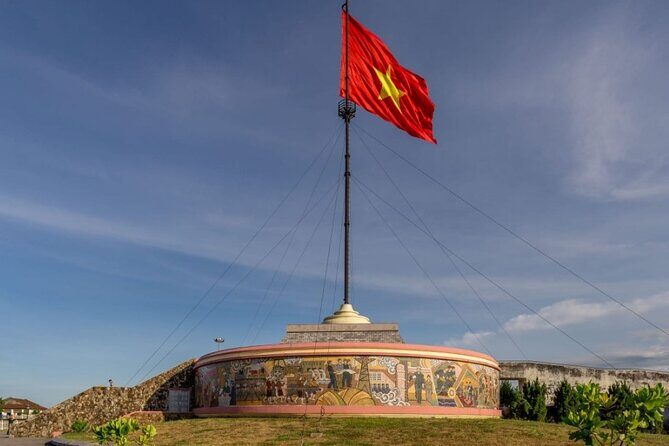
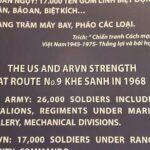
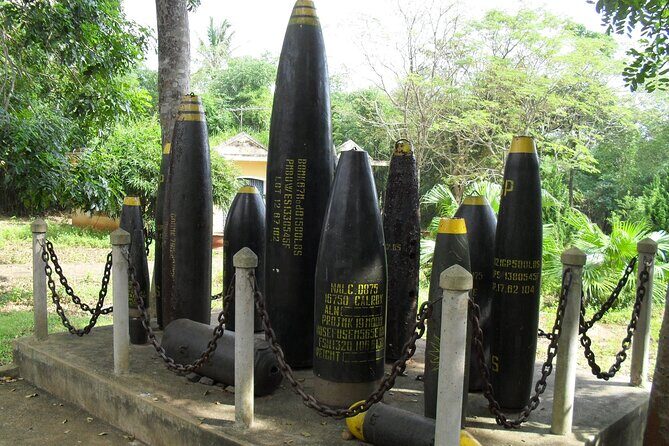
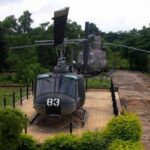
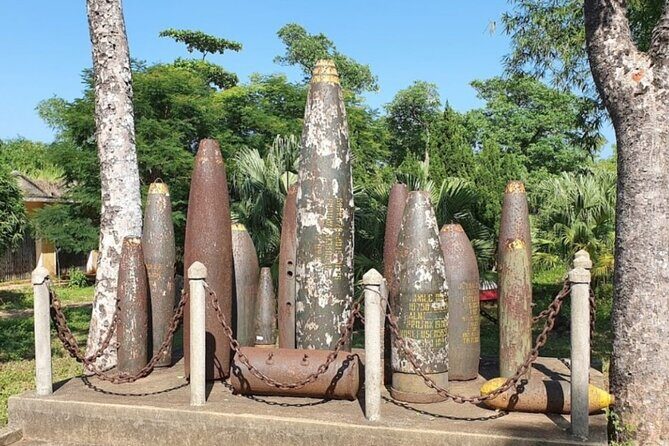
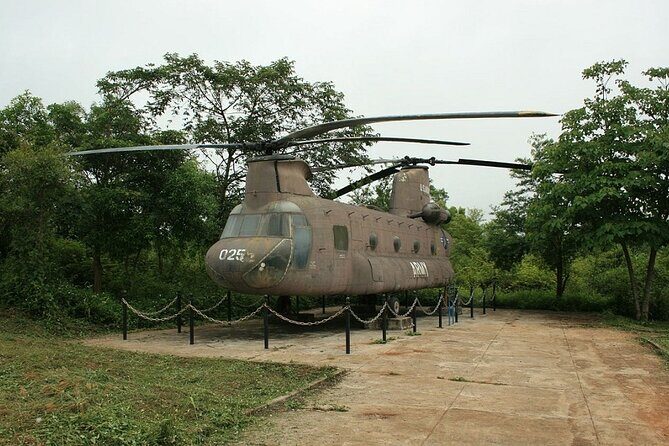
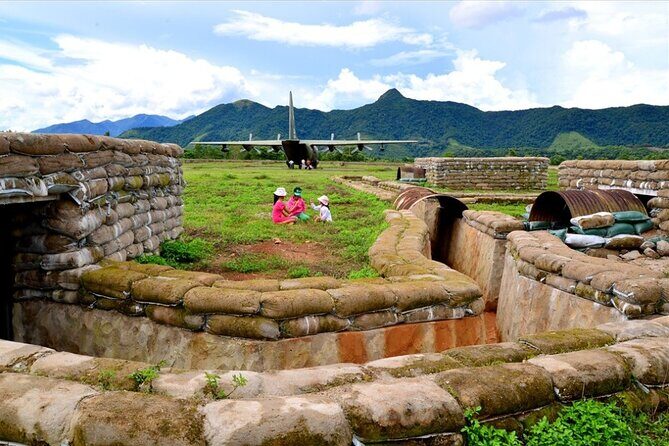
Then you reach Khe Sanh Combat Base, one of the most famous DMZ sites linked to intense fighting for almost 75 days. Your visit here includes about an hour on site, with a small museum included.
This is the stop where the day starts to feel like a focused history lesson with legs. A base is not just a place; it’s a system: defensive positioning, observation, supply realities, and the human cost of holding ground. When you pair that with a guide fluent in Vietnam war history, the details start to feel more concrete.
What to expect on the ground: you’ll spend time walking the areas associated with the base and then use the museum to anchor what you see. I like museum pacing here because it helps you avoid the common problem of war sites turning into only-photo stops.
Possible drawback: since this is a combat base tied to heavy stories, it can feel emotionally dense. If you get overwhelmed easily, give yourself a minute to step back during the museum section and let the information process.
Vĩnh Mốc Tunnels: Civilian Shelter Engineering Under the DMZ
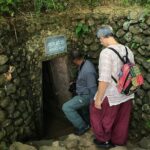
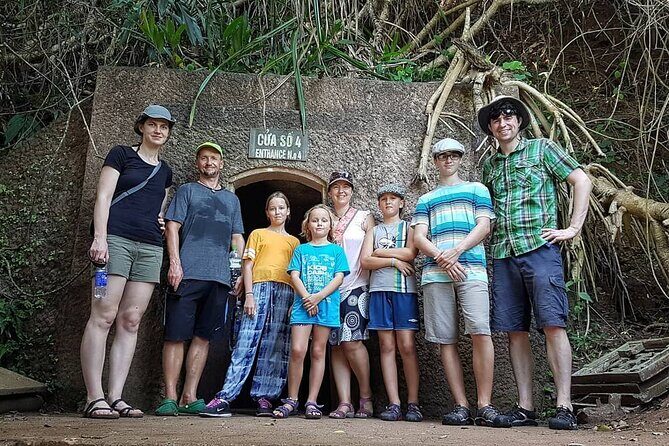
Next is Vĩnh Mốc Tunnel, where the emphasis is on shelter rather than battle. The tunnels are described as being used by civilians to survive intense bombing in the DMZ, and they’re regarded as among the most successful tunnel plans during the war.
This stop is included for about an hour, and I think it’s one of the strongest parts of the day because it shifts the story. You go from describing conflict positions to understanding the defensive creativity and planning that people used to protect themselves.
A key detail you’ll hear: these tunnels are described as shelter systems, not tunnels built for war purposes. That framing matters. It turns the tunnels into a story about family survival and community resilience, not just military movement.
What to do during the visit: slow down and watch how the space feels. Even without fancy explanations, the tunnel scale makes the point. And when your guide connects it to the DMZ context, you’ll understand why these were built where they were.
If you’re prone to claustrophobia, you might want to take it carefully. The tunnels can feel tight depending on how much you explore and how the pathways are laid out. You’ll still get the main information and atmosphere even if you move more slowly.
Other guided tours in Hue



The Guide Is the Real Value (Not Just the Stops)
The biggest reason this tour gets high marks is simple: the guide is English-speaking and fluent in Vietnam war history. That means you’re not walking through sites like they’re labeled props. You’re getting a connected story, and the guide clearly understands how to connect the locations.
I also liked that the explanations aren’t only about battles. The tour highlights Vietnamese solidarity and the resilient will and creativity that people used under extreme pressure. That blend is what turns the day into more than a checklist of names.
If you want to get the most out of your guide, here’s what I’d do:
- Ask how the bridge, the combat base, and the tunnels fit into the same broader conflict story
- If something feels confusing, ask for a simple reframe rather than pushing for extra details
- Take notes on the key place names you hear, because they’ll come back later in the day
This is exactly the type of tour where good language matters. When a guide speaks clearly about a complicated past, you spend your mental energy understanding instead of translating.
Price and Value for a Full-Day Private DMZ Experience
At $100 per person, this feels like a reasonable price for a 9-hour private day that includes pickup, transportation, lunch, bottled water, and all fees and taxes. You’re also paying for a guide who can explain war history in English, which is often where the value lives.
Here’s the real value equation for you:
- You get multiple major DMZ-related stops in one day
- You don’t have to arrange transport between sites on your own
- Lunch and water reduce the day’s friction
- Your guide’s knowledge helps you avoid wasting time at places that could otherwise feel like unlabeled ruins
The main reason some people hesitate is the schedule. The day is long and includes a lot of driving—reports describe around 4–5 hours in the car within the 9-hour window. If you’re doing Hue to DMZ day travel, you need to accept that transit time is part of the package.
On the bright side, being a private tour activity (only your group participates) can make that long ride easier. You can ask questions in the car and get context for what you’ll see next.
How to Plan: The Long Ride, Weather, and Comfort Tips

This experience runs about 9 hours, and the route includes several stops that add up. Plan for a full-day rhythm: early start, short and medium visits, then a drive back.
Weather matters. The tour states it requires good weather, and if it’s canceled due to poor weather, you’ll be offered a different date or a full refund. That’s helpful for planning, because a DMZ day doesn’t feel great if you’re stuck in bad visibility or persistent rain.
What I’d bring or plan around:
- Comfortable shoes for walking at bases and tunnel areas
- Light layers in case mornings are cool but afternoons warm up
- Something to keep you hydrated and calm during the car time (water is included, but you may want more)
- Patience for a day that is more learning than sightseeing
If you’re a history fan, this day will feel like a satisfying return on time. If you want a relaxed day with big scenic breaks, you may find the schedule tight.
Who This Tour Suits Best (and Who Might Want Another Option)
I’d recommend this Hue DMZ tour most strongly if you:
- Want war history explained clearly in English
- Prefer a guided day where the stops connect into one narrative
- Are interested in both military sites and civilian survival stories
- Don’t mind a long day of driving in exchange for major DMZ landmarks
You might think twice if you:
- Strongly dislike long transit time
- Get emotionally overwhelmed by war-related sites
- Prefer purely scenic or casual day trips rather than structured historical visits
Should You Book This Hue DMZ Tour From Hue?
Yes—if your goal is to understand the DMZ in a way you can actually remember. The guide’s English fluency and war-history knowledge make the sites land, and the mix of Khe Sanh Combat Base plus Vĩnh Mốc Tunnel gives you both the conflict and the civilian survival side of the story. Add in lunch and transportation, and you’re not fighting logistics all day.
The main thing to be honest with yourself about is the car time. If you can handle a long ride in exchange for meaningful stops, this is a strong pick.
If you tell me your travel dates and what you care about most—battle history, civilian stories, or photo stops—I can help you decide whether this pacing fits you.
FAQ
How long is the Hue DMZ tour?
It runs for about 9 hours.
How much does the tour cost per person?
The price is $100.00 per person.
Is hotel pickup included?
Yes, pickup is offered in Hue city at your hotel or homestay.
What stops are included during the day?
You visit La Vàng Church, Hiền Lương Bridge and Ben Hải River, Đa Krông (Dakrong Bridge area), Khe Sanh Combat Base, and Vĩnh Mốc Tunnel.
Is lunch included?
Yes, lunch is included.
What’s included in the tour price?
Included items are the DMZ tour guide, private transportation, all fees and taxes, lunch, and bottled water.
Are tickets or admissions included?
Admission tickets are listed as free for La Vàng Church and Hiền Lương Bridge, and admissions are included for Khe Sanh Combat Base and Vĩnh Mốc Tunnel.
What’s the refund or cancellation policy?
You can cancel for a full refund up to 24 hours before the experience’s start time.
Does the tour run in any weather?
The tour requires good weather. If canceled due to poor weather, you’ll be offered a different date or a full refund.
You Might Also Enjoy
More Tours in Hue
- Easy Rider private tour via Hai Van pass from Hue – Da Nang – Hoi An (1Way|Loop)
★ 5.0 · 1,542 reviews

More Tour Reviews in Hue
- Easy Rider private tour via Hai Van pass from Hue – Da Nang – Hoi An (1Way|Loop)
★ 5.0 · 1,542 reviews