REVIEW · HUE VIETNAM
Hue City Tour Full day – Small group tour
Book on GetYourGuide →Operated by CONNECTTRAVEL · Bookable on GetYourGuide
Hue makes sense in one long day. You get a smooth sweep of Hue’s big power sites, from a dragon boat morning to royal tombs and a lunch built around local flavors. I especially like how the day gives you context—visiting the Imperial Citadel and then following it with Tombs of Khai Dinh and Minh Mang—so the Nguyen dynasty isn’t just names on stone. The main drawback to plan for is heat: you’ll spend plenty of time outdoors, and the day can feel long when the sun is strong.
This is also one of the better-value formats in central Vietnam because the essentials are handled for you: hotel pickup and drop-off, an English-speaking guide, air-conditioned transport, bottled water, and entrance tickets for the key sites. Many guides on this route—like Austin, Sang, Thanh, Sang, or Linh—are praised for clear explanations and for taking Q&A seriously.
In This Review
- Key highlights worth carving out time for
- Hotel pickup and AC comfort: how the day starts right
- Dragon boat to Thien Mu Pagoda (built in 1601, still standing)
- The Imperial Citadel of the Nguyen dynasty: the 520-hectare “why”
- Dong Ba Market: Hue’s market hub, with one reality check
- Lunch in Hue: learning the city through its specialties
- Khai Dinh Tomb: the Western–Eastern fusion that turns heads
- Minh Mang Tomb: elegant power in a different architectural language
- Thuy Xuan incense village: the 400+ year craft stop
- Price and time value: is $30 fair for a 9-hour day?
- Who this tour suits best (and who should rethink it)
- Should you book this Hue City Tour Full day?
- FAQ
- What’s included in the Hue City Tour Full day?
- How long is the tour?
- What are the main stops during the day?
- Is lunch included?
- Is the tour guided in English?
- What’s the cancellation policy?
Key highlights worth carving out time for
- Dragon boat + Thien Mu Pagoda: a scenic start paired with Hue’s Buddhist roots
- Imperial Citadel (Nguyen dynasty): around 100 monuments spread across 520 hectares
- Two royal tombs, two styles: Khai Dinh’s Western-Eastern mix and Minh Mang’s striking architecture
- Dong Ba Market stop: Hue’s main local market on the north bank of the Perfume River
- Hue lunch included: you’ll eat regional specialties, not generic tourist fare
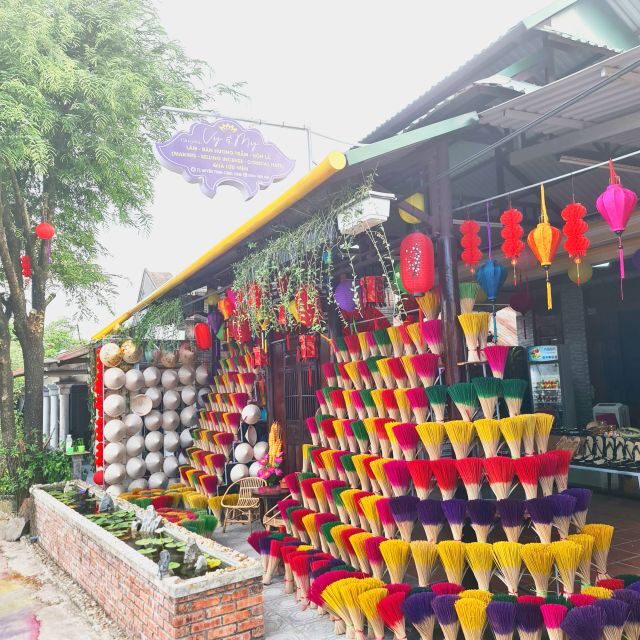
- Thuy Xuan incense village: watch a 400+ year craft tradition up close
Hotel pickup and AC comfort: how the day starts right
Most full-day Hue tours succeed or fail on the first hour. This one starts with hotel pickup and uses a new air-conditioned vehicle for the ride between stops. That matters because Hue sightseeing can be physically draining: you’re going from river to tombs to markets, and you don’t want to burn energy just commuting in heat.
The small-group setup helps too. Even if the itinerary is set, you can still ask follow-up questions instead of feeling like you’re racing through facts. In the feedback I saw, guides like Tom/Thom, Bobby, Ben, Xi(C), and Quoc were praised for pacing and patient explanations—good signs that you won’t just hear a script and move on.
Practical tip: wear comfortable shoes and lightweight clothing. You’ll likely sweat—this is Vietnam, not a museum crawl—and the day is designed so you can keep moving.
If you're still narrowing it down, here are other tours in Hue Vietnam we've reviewed.

Dragon boat to Thien Mu Pagoda (built in 1601, still standing)
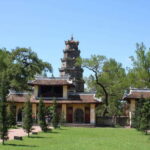
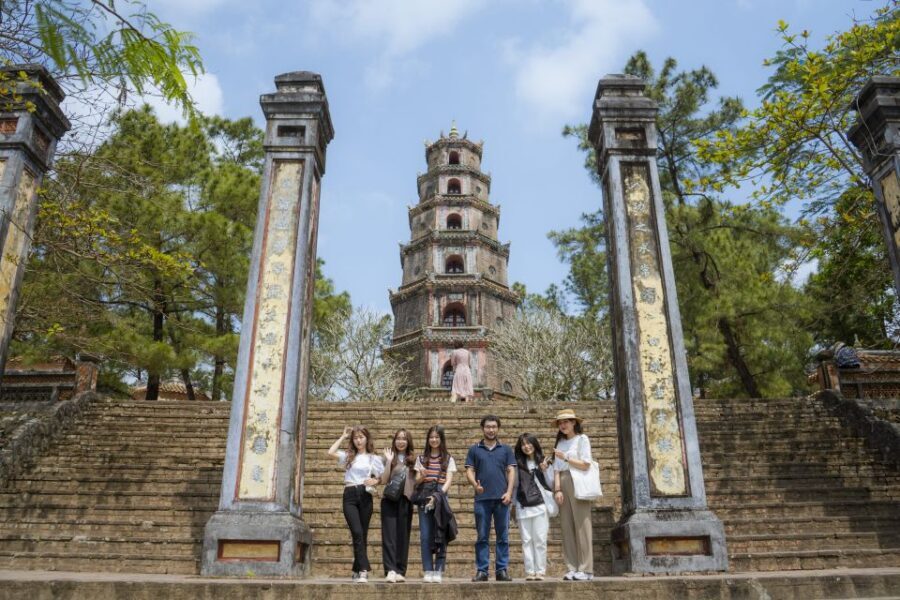
The morning route includes a dragon boat trip to Thien Mu Pagoda, described as the oldest pagoda in Hue. This seven-story pagoda was built in 1601 and has survived through major events, which is exactly why it’s such a meaningful stop. You’re not just ticking off a landmark—you’re learning how Buddhism took root in daily life and why this site still matters to locals.
What I like about this part of the day is the pacing. You get time on the water, so you’re not immediately stuck in walking heat. And Thien Mu works well as an anchoring point: it gives you a cultural lens before you plunge into imperial politics.
What to look for: the vertical feel of the pagoda (the multi-level structure is the point), plus the surrounding atmosphere. If you’re the type who likes to read details on the spot, this is the kind of place where a guide’s explanation can turn random-looking carvings into real meaning.
Possible downside: the dragon boat portion is short, so if you’re expecting a long boat experience, you might find it more like a scenic transfer than a full activity.
The Imperial Citadel of the Nguyen dynasty: the 520-hectare “why”
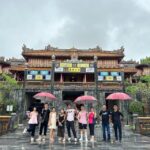
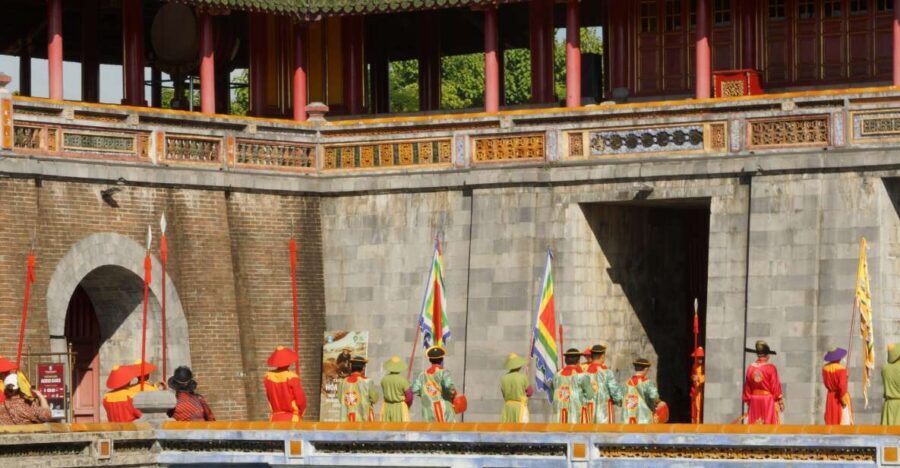
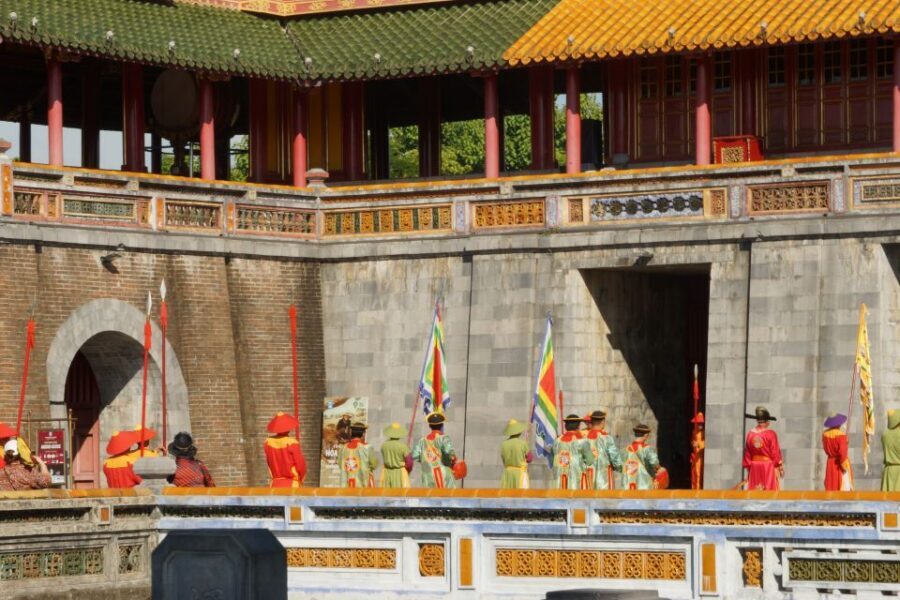
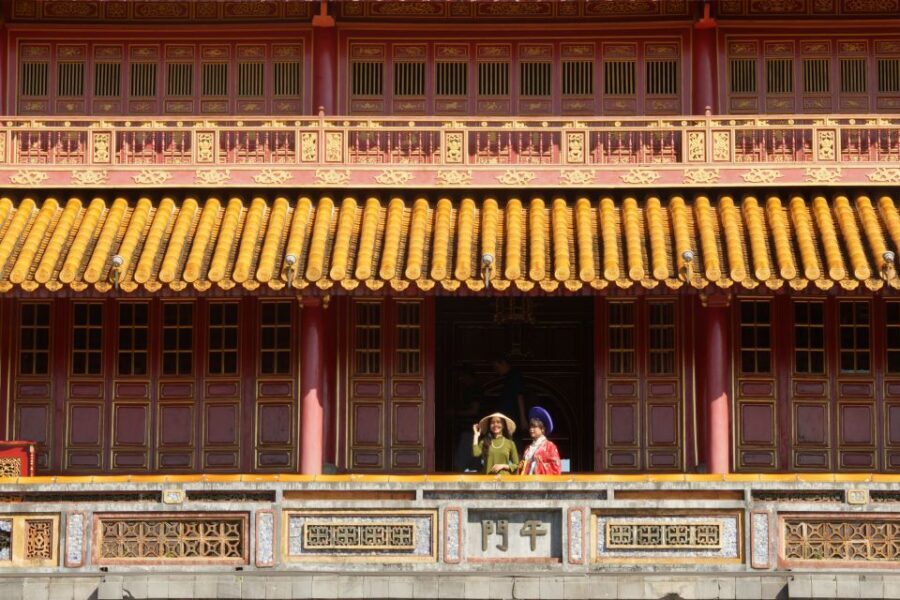
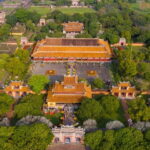
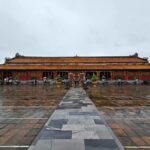
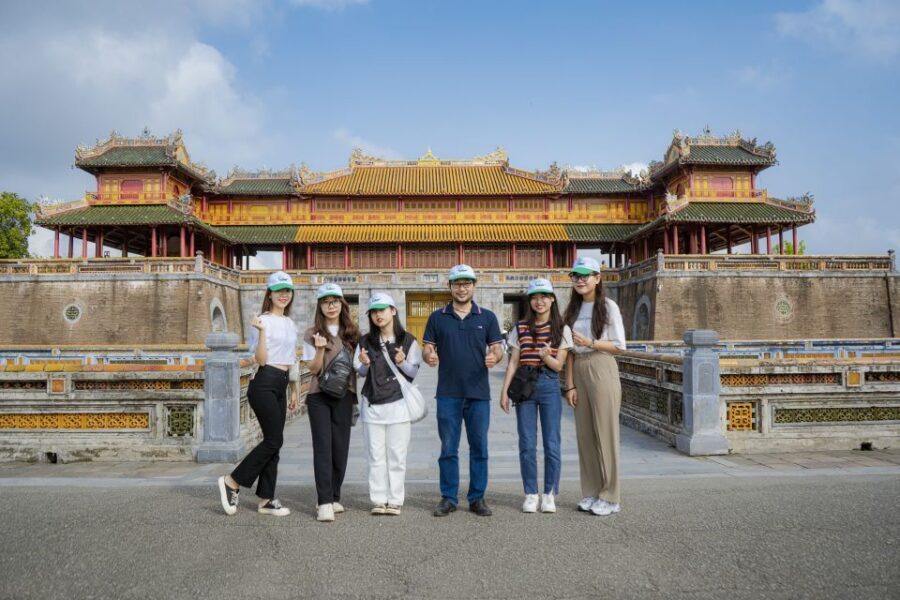
Next comes the center of gravity for Hue: the Imperial Citadel, home of Vietnam’s last royal dynasty, the Nguyen dynasty. This is a huge compound—around 520 hectares with about 100 monuments—built as both a working and private residence. The day’s value is highest here because you’re learning the “machine” behind the dynasty, not just seeing one building.
The citadel is described as the former place for 13 emperors, concubines, and eunuchs, which helps you understand the complexity of court life. Even if you’ve visited imperial sites elsewhere, Hue’s citadel is special because you can feel the transition from royal power to a more modern Vietnam story.
How I suggest you handle this stop:
- Move with a plan. Don’t let it become a vague wander. Ask your guide what to focus on first.
- Pay attention to how the layout connects power, privacy, and function. The citadel isn’t random.
- If you’re into photography, go slow in the areas your guide highlights. The “best” shots often come from standing where you can see the scale.
Why this matters for your day: after the citadel, the tombs will feel less like separate attractions. You’ll start noticing themes—rules of design, messages through architecture, and how rulers wanted to be remembered.
Dong Ba Market: Hue’s market hub, with one reality check
A stop at Dong Ba Market is included, described as Hue City’s largest market and a major local hub on the northern bank of the Perfume River. This is the side of Hue you can’t get from tomb gates and museum walls. It’s commerce, daily life, and the color of the city in motion.
Here’s the reality check: markets can be a lot—visual noise, crowds, and lots of goods. One highlight is that you’ll see how locals live and trade, not just how a tourist brochure imagines Hue. But if heat and sensory overload hit hard for you, this might be the moment you want to pace yourself.
If your guide is good (many are), you’ll get more than shopping. You’ll get context: why Dong Ba functions as a hub and what people come for.
Quick practical advice: keep your money handy but don’t feel pressured to buy. Use the market as a cultural waypoint, then move on while your energy is still solid.
Lunch in Hue: learning the city through its specialties
Lunch is scheduled around 11:30 to 12:30, at a local restaurant with Hue speciality dishes. This is a key part of the day because Hue food is not just “food”—it’s another way the region expresses identity.
From the experience descriptions, lunch tends to be more than a meal stop. People mention guides helping explain how to eat the dishes properly, which can be a big deal if you’re not familiar with the flavors and textures. Even if you’re not super adventurous, a good guide makes it easier to try what’s offered and understand why it tastes the way it does.
One more reason lunch works here: it’s timed before the tombs. You need that energy because the next stretch is long and more walk-heavy.
What to expect: a local setting, regional flavors, and a chance to reset between major sightseeing blocks.



Khai Dinh Tomb: the Western–Eastern fusion that turns heads
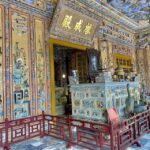
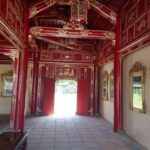
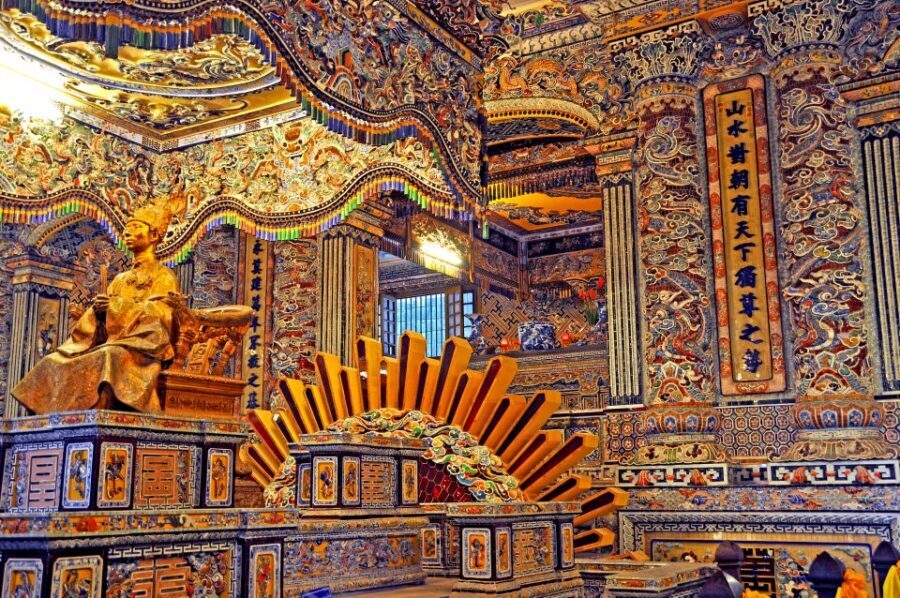
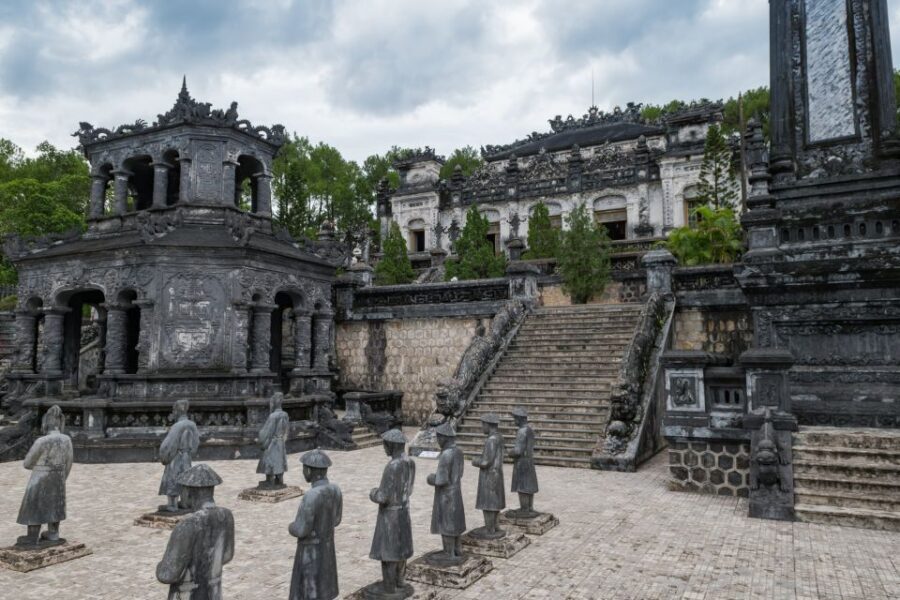
After lunch, the tour visits Khai Dinh Tomb, the tomb of the 12th Emperor of the Nguyen dynasty, who ruled from 1916 to 1925. The tomb was completed in 1931, and it’s known for a fusion of Western and Eastern architectural styles.
This is one of those stops where the guide’s storytelling pays off. Khai Dinh’s tomb isn’t just decorative. It reflects choices about power, influence, and how a ruler wanted to be seen in a changing world. And the design is described as having intricate details and lavish decoration—so plan to slow down, even if you’re tempted to rush for photos.
Practical tip: bring a little patience for stairs and uneven surfaces. Tomb complexes are often built for ceremony, not ease of movement.
Minh Mang Tomb: elegant power in a different architectural language
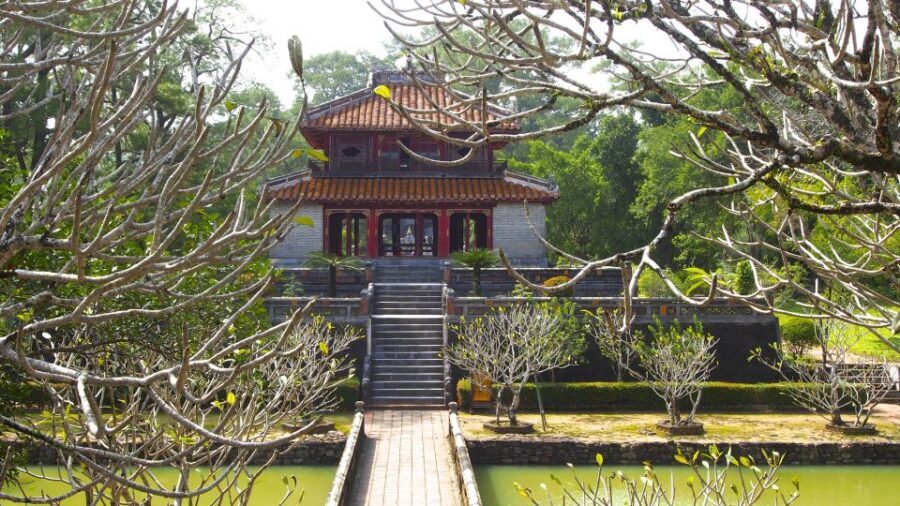
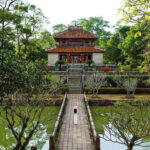
Next is Minh Mang Tomb, the resting place of Emperor Minh Mang (1791–1841), described as the 2nd king of the Nguyen dynasty. This tomb is famous for its design, with attention to Oriental architecture and the way the grounds and spaces are arranged.
If Khai Dinh feels like a bold hybrid, Minh Mang feels more like controlled elegance. Seeing both in one day helps you compare how two emperors shaped their legacies through architecture and planning. It’s a good learning pairing because it stops the tombs from blending together in your memory.
What to look for: how the structures relate to each other, and how the overall composition creates a sense of order. If your guide gives you talking points, grab them—Minh Mang rewards paying attention.
Thuy Xuan incense village: the 400+ year craft stop
On the way back, the day includes a stop at Thuy Xuan incense village, famous for high-quality incense for over 400 years. This is a different kind of experience: less about history in stone and more about living craft.
Why I like this stop: it connects what you saw earlier (ritual spaces like pagodas and tombs) to something practical and human. Incense is part of worship and ceremony, so it makes sense to see the making process and understand how the product gets its reputation.
From the experience descriptions, people often find the incense-making portion fun, not just observational. You may get a chance to watch (and possibly try) how locals create fragrant incense products.
If you’re sensitive to strong smells, you’ll want to stand near people who are working but keep your distance if needed. Incense can be intense, especially indoors or in concentrated workshop areas.
Price and time value: is $30 fair for a 9-hour day?
At $30 per person for a 9-hour full-day tour, the value is strong—mainly because the essentials are bundled. You get:
- hotel pickup and drop-off
- an English-speaking guide
- air-conditioned transport and bottled water
- entrance tickets for the Imperial Citadel, Khai Dinh Tomb, and Minh Mang Tomb
- meals as mentioned, including lunch
- travel insurance
In practical terms, you’re paying for time savings plus interpretation. Hue’s major sites are not hard to reach, but they’re hard to understand quickly without a guide who can connect symbols, dates, and design choices.
The trade-off is that it’s still a full day. You’ll be out in the sun, and you’ll move with the group. If you want a slower pace, you might prefer a shorter private option.
Small-group format helps you get questions answered, and the feedback indicates guides often handle Q&A well and adjust pacing for people who need it.
Who this tour suits best (and who should rethink it)
This is a good fit if you want:
- a one-day overview of Hue’s biggest royal and religious highlights
- a guide who can explain what you’re seeing, not just move you along
- included lunch and entrance tickets, so you don’t have to plan mid-day
It might be less ideal if:
- you hate heat and long outdoor blocks
- you prefer unhurried browsing with long stops (some tomb and market areas are inherently time-compressed in a group tour)
One smart sign from the feedback: guides were praised for being patient and considerate, including for guests traveling with elderly relatives. That suggests this tour can work for mixed ages, as long as you’re okay with the overall pace.
Should you book this Hue City Tour Full day?
I’d book it if you want the fastest, most structured way to understand Hue’s two major themes: faith and empire. The combo of Thien Mu Pagoda, the Imperial Citadel, and then the two tombs makes the day feel like one story, not a pile of separate stops. Add in lunch with Hue specialities and a craft stop at Thuy Xuan incense village, and you get variety without losing momentum.
I’d hesitate only if you’re extremely heat-sensitive or you strongly dislike crowds at market areas. In that case, you might still love the sites—but you may want a smaller, slower format.
If you do book, pack for sun, wear comfortable walking shoes, and go in ready to ask questions. This tour works best when you treat it like a guided day of learning, not just sightseeing.
FAQ
What’s included in the Hue City Tour Full day?
You get hotel pickup and drop-off, entrance tickets to the Hue Imperial Citadel, Khai Dinh Tomb, and Minh Mang Tomb, an English-speaking guide, meals as mentioned (including lunch), new air-conditioned vehicle transport, bottled water, and travel insurance.
How long is the tour?
The full day tour runs for about 9 hours.
What are the main stops during the day?
The tour includes Thien Mu Pagoda by dragon boat trip, the Hue Imperial Citadel, Dong Ba Market, lunch at a local restaurant with Hue specialties, Khai Dinh Tomb, Minh Mang Tomb, and a stop at Thuy Xuan incense village.
Is lunch included?
Yes. Lunch is scheduled around 11:30 to 12:30 at a local restaurant with Hue speciality dishes.
Is the tour guided in English?
Yes. The tour includes an English-speaking guide.
What’s the cancellation policy?
Free cancellation is available up to 24 hours in advance for a full refund.