REVIEW · HUE VIETNAM
From Hue to History and Nature: DMZ & Phong Nha Cave Tour
Book on GetYourGuide →Operated by SOVABA TRAVEL · Bookable on GetYourGuide
One day, two Vietnam stories. This Hue-to-DMZ-to-Phong-Nha route mixes war history at the 17th parallel with a boat ride into Phong Nha Cave. The only real catch is timing: it starts at 06:00 and feels like a full-day sprint, so plan to be tired by the end.
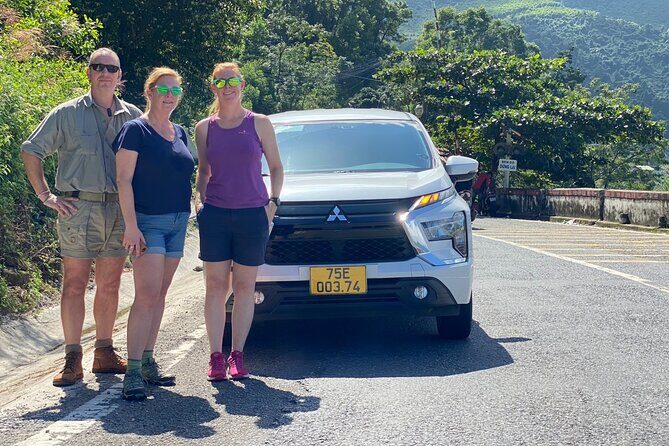
I like that it is practical and guided end-to-end, not a do-it-yourself mashup. With guide Hoang and driver Quang, the morning facts land in a human way, then the cave air cools you down fast after the intense stops.
In This Review
- What Makes This Tour Worth Your Time (and Your Early Start)
- Key Stops You Should Pay Attention To
- From Hue to the DMZ: The Morning Pace You Need to Plan For
- La Vang Holy Land: A Different Kind of Vietnam Footnote
- Quang Tri Citadel: Where the 1972 Battle Still Has Weight
- Hien Luong Bridge and the 17th Parallel: The Psychology of Division
- Riding the Ho Chi Minh Trail Route: How the Story Transitions to Phong Nha
- Lunch in Phong Nha: Fuel Before the Cave
- Phong Nha Cave by Boat: Cool Air, Stalactites, and Real Scale
- Timing, Comfort, and What to Bring (So the Day Doesn’t Wear You Out)
- Price and Value: Is $85 a Good Deal?
- Who This Tour Fits Best (and Who Should Skip It)
- My Booking Verdict: Should You Choose This Tour?
- FAQ
- What time does the tour start in Hue?
- Which places are included before Phong Nha Cave?
- Is lunch included, and can I choose vegetarian?
- How long is the boat portion inside Phong Nha Cave?
- What’s included besides cave entry?
- Where will the tour end, and how do I get back?
- What should I bring for the day?
- Is the tour suitable for everyone?
What Makes This Tour Worth Your Time (and Your Early Start)
This is the kind of day trip that works when you want both meaning and scenery. You are not just passing through the DMZ; you are stepping into places tied to major turning points, then heading to one of Vietnam’s most dramatic natural sites.
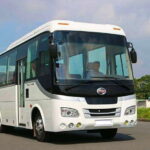
The value also comes from what is handled for you: transportation in an air-conditioned vehicle, an English-speaking guide for the route, and tickets/boat ride/lunch included. For $85 per person, that bundle is a big part of why it feels fair, especially if you would otherwise spend time piecing together tickets and rides.
The day also has a clear emotional arc. You start with solemn memorials, then hit the symbolic divide at Hien Luong Bridge, and finish in the cool quiet of a cave system formed over millions of years.
Key Stops You Should Pay Attention To
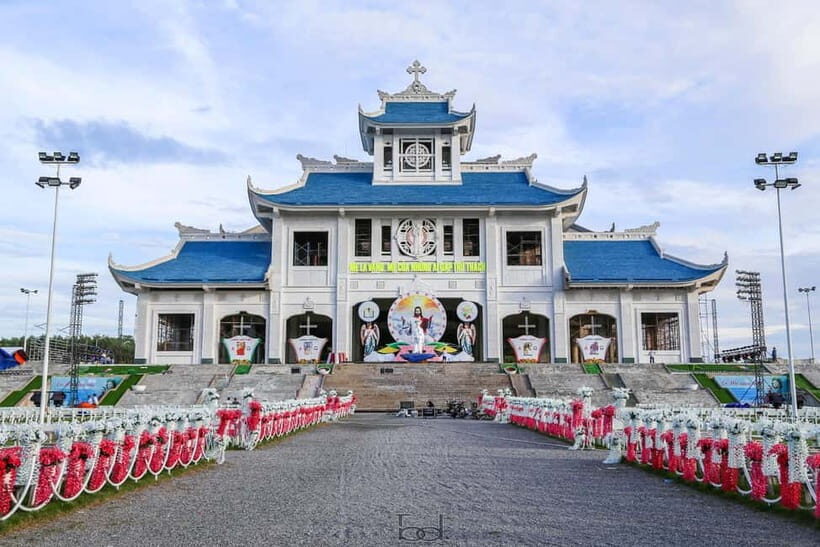
- La Vang Holy Land: Vietnam’s top Catholic pilgrimage site, linked to a claimed apparition in the late 1700s
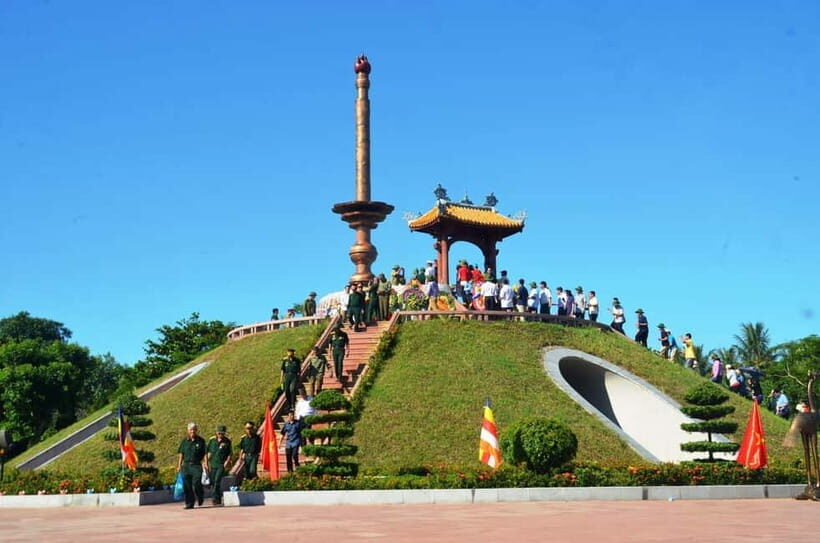
- Quang Tri Citadel and the 81-day battle: a memorial cemetery for thousands of unidentified soldiers from 1972
- Hien Luong Bridge at the 17th parallel: propaganda-era details like dual flagpoles and color competitions
- Ho Chi Minh Trail (Western Branch) stories: how the route supported supply and movement during the American War
- Phong Nha Cave boat ride: about 1.5 km deep on the Son River into the underground world
If you're still narrowing it down, here are other tours in Hue Vietnam we've reviewed.

From Hue to the DMZ: The Morning Pace You Need to Plan For
You’ll get picked up at the center of Hue City at 06:00. From there, the drive heads north along National Highway 1A toward the former DMZ, the zone that divided Vietnam for more than 20 years. The early departure matters because it buys you daylight for the memorial sites and enough time for Phong Nha later.
What I like about the pacing is that your brain switches gears gradually. You move from travel time, to pilgrimage, to military history, to a symbolic “line in the world,” and then toward nature. It is intense, but the flow keeps the day from feeling like random stops.
This is also where comfort choices matter. You’ll have a long sitting stretch in a vehicle, so wear breathable clothes and keep your hat and sunscreen ready. The tour notes a moderate amount of walking, so comfy shoes are not optional.
La Vang Holy Land: A Different Kind of Vietnam Footnote
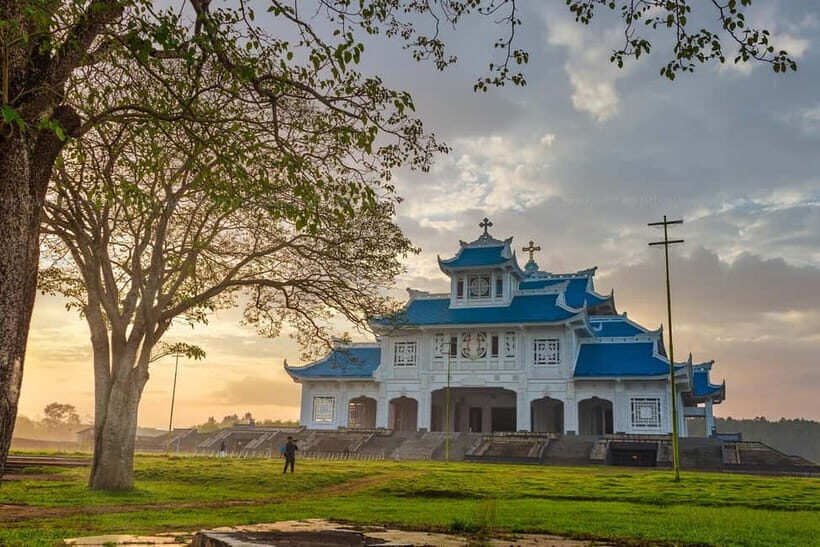
Around 07:00, you stop at La Vang Holy Land, a major Catholic pilgrimage site in Vietnam. It is associated with a claimed appearance of the Virgin Mary in the late 18th century, during a period of religious persecution under King Canh Thinh of the Tay Son dynasty.
This stop might surprise you if you expected the entire day to be only war. That is the point. Central Vietnam has layered stories, and La Vang adds a religious thread to a route otherwise dominated by conflict, survival, and memory.
Practical tip: bring your camera, but also take a moment to look slowly. Even if religion isn’t your focus, the site helps you understand why people travelled here long before modern tourism.
Quang Tri Citadel: Where the 1972 Battle Still Has Weight
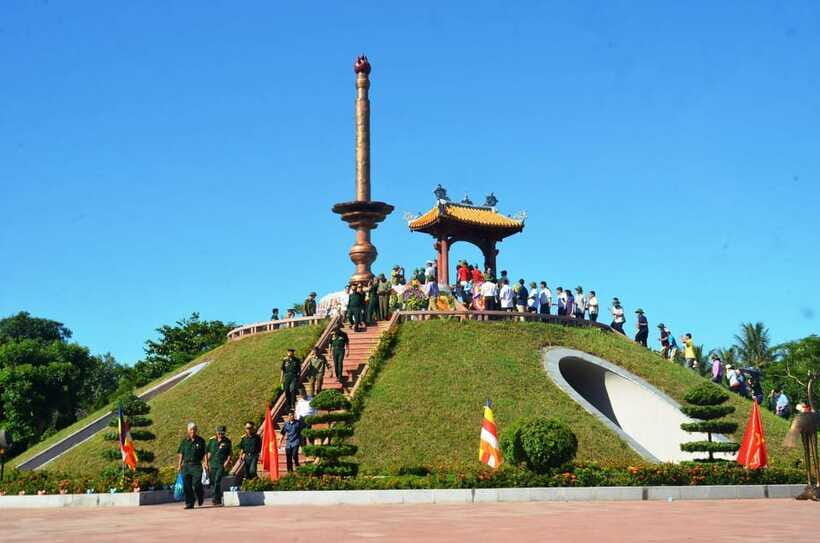
Next, you transfer to Quang Tri Ancient Citadel (around 07:30). The fortress itself dates to 1809 under Emperor Gia Long, and it held strategic value across Vietnamese history.
At 07:40, you visit the citadel and the memorial area tied to the 81-day battle in summer 1972, between the Liberation Army of South Vietnam and the Army of the Republic of Vietnam. Today it functions as a memorial cemetery, with thousands of unidentified soldiers resting there.
I find this kind of stop hits hardest when you do two things: read the details slowly, and avoid rushing your way to the “photo point.” You’ll get much more out of the visit if you let the place explain itself through the names, symbols, and the space it provides for reflection.
Hien Luong Bridge and the 17th Parallel: The Psychology of Division
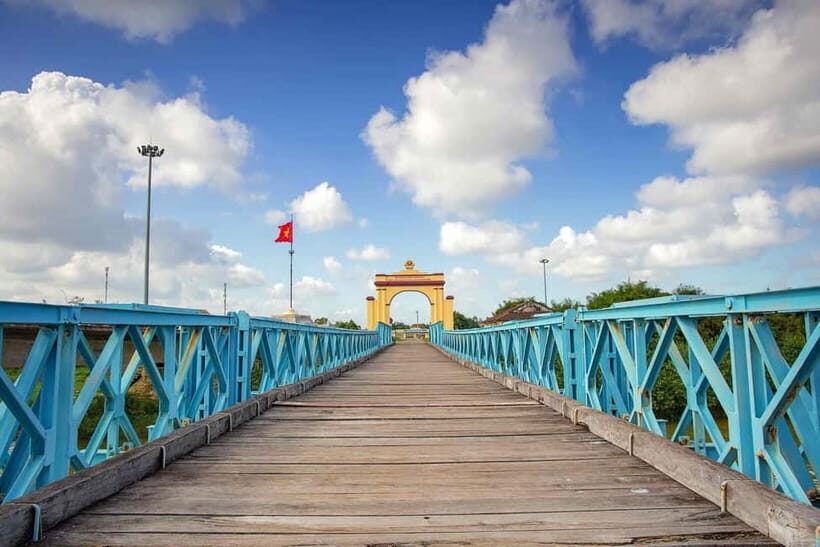
By 08:40, you’re heading toward Hien Luong Bridge on the Ben Hai River, at the 17th parallel. This is the temporary division of North and South Vietnam under the Geneva Accords in 1954.
At 09:40, you visit the bridge area, and this is one of the most interesting parts of the day because it shows division as a performance. The site highlights psychological warfare: propaganda loudspeakers, flagpole height contests, and bridge color competitions between the two sides.
You’ll also learn about visible symbols like the white demarcation line, dual flagpoles, and a war relic museum experience connected to the setting. This isn’t just a static bridge. It is a place where you can understand how politics and daily life got weaponized.
Tip for photos: frame the bridge details from multiple angles. The symbolism is not only in the main structure, but in the markers and the way the area is organized for comparison.
Riding the Ho Chi Minh Trail Route: How the Story Transitions to Phong Nha
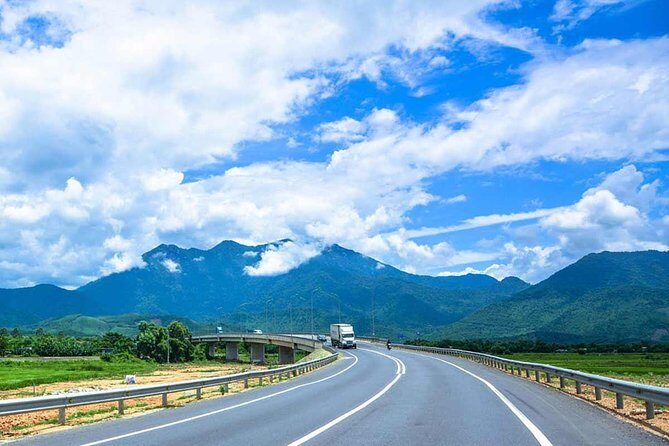
At 10:00, you start the transfer to Phong Nha via the Western Branch of the Ho Chi Minh Trail. As you travel, your guide shares stories about the trail as a vital supply route, carrying food and weapons from North to South during the American War.
This is a smart in-between segment. The drive gives you time to process what you saw in the DMZ, then it reframes the day around movement, survival, and logistics. You are literally traveling along a route tied to how people got things done under pressure.
If you’re the type who likes context, this is the moment to lean in. Even if you think you already know the broad story, hearing it tied to this specific route can make it feel more concrete.
Lunch in Phong Nha: Fuel Before the Cave
Around 12:30, you stop for lunch at a local restaurant in Phong Nha (Ke Bang National Park area). The tour includes lunch, with an option to choose vegetarian dishes, which is useful if your group has mixed preferences.
This is also your time to reset. The cave visit is coming, and a full stomach makes a long boat ride and deeper underground time feel much easier. Keep it simple: eat enough to feel comfortable, but don’t go heavy and sleepy.
Phong Nha Cave by Boat: Cool Air, Stalactites, and Real Scale
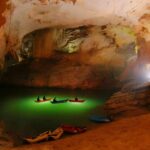
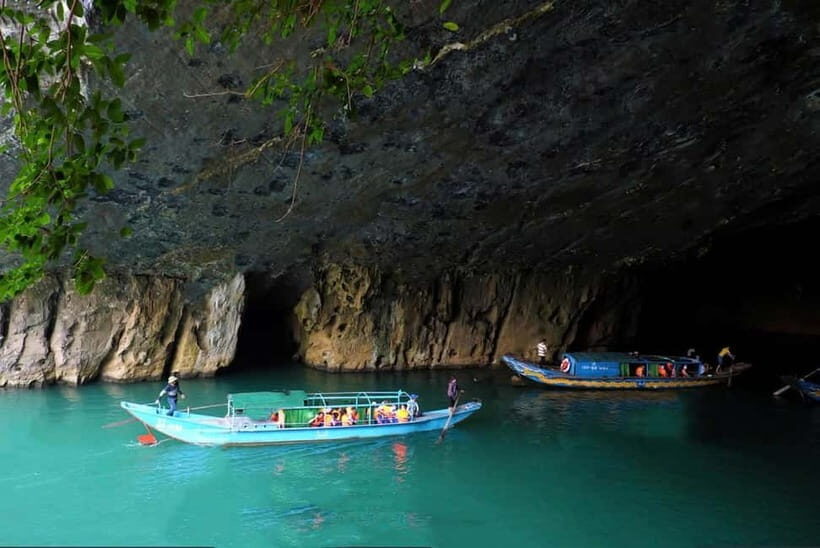
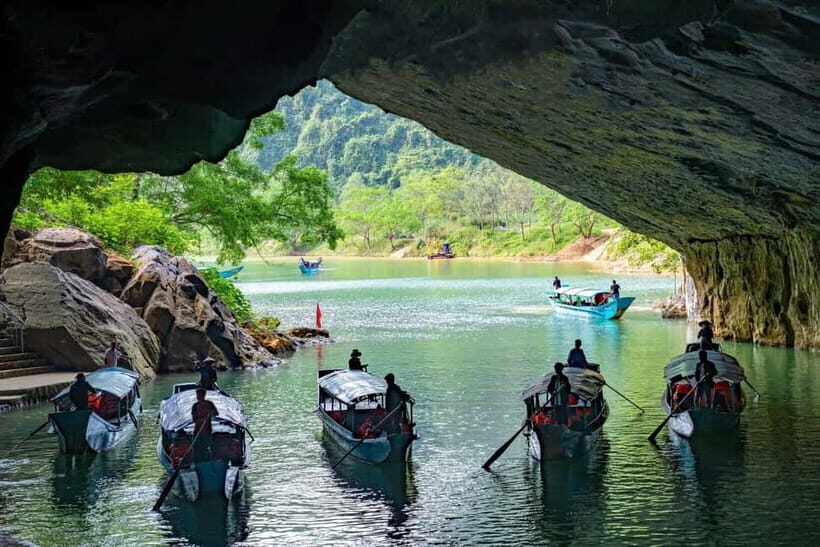
At 13:30, you visit Phong Nha Cave, recognized by UNESCO as a World Natural Heritage Site. The big draw is not just beauty. It is the scale and the geologic time behind what you’re seeing.
You’ll board a motorized boat on the Son River and travel about 1.5 km deep into the cave. From there, you go further into the cave experience with a guide who explains:
- stalactites and stalagmites formed over millions of years
- the cave’s long underground river system in Southeast Asia
- how it served as a hiding and storage place during wartime
Even if you are more into nature than history, the combination makes the cave feel grounded. It’s not only a show cave. The cave has a past role in conflict, which adds weight to the quiet you feel underground.
Practical note: wear comfortable shoes and expect a change in temperature. Cave air is cooler than outside, and it feels great after the morning’s heat and walking.
Timing, Comfort, and What to Bring (So the Day Doesn’t Wear You Out)
This tour is a full day and it starts early. You’ll end around 16:00, then be transferred to Dong Hoi, back to Hue upon request, or Phong Nha if you’re staying overnight.
For comfort, these are your best friends:
- comfortable shoes (some walking is involved)
- hat and sunscreen (sun can be strong before you get to the cave)
- camera ready for both memorial symbolism and cave formations
Also follow the rules: no pets, and no smoking. During transport, smoking and consuming food and drinks are not allowed on the vehicle, so keep snacks for outside the ride.
Price and Value: Is $85 a Good Deal?
At $85 per person, this tour feels like a solid value if you factor in what’s included. You get:
- air-conditioned transport for the full Hue-to-DMZ-to-Phong-Nha day
- an English-speaking guide for the entire route
- tickets for La Vang Holy Land, Quang Tri Citadel, and Hien Luong Bridge
- entry and dragon boat tickets for the cave portion
- lunch in Phong Nha, including a vegetarian option
- bottled water (500 ml, two bottles per guest)
The value gets even better if you would otherwise pay separately for multiple entrance tickets and arrange separate rides. The main cost “trade-off” is your energy. You are buying one day that does a lot. If you hate long days, this might feel like too much.
Who This Tour Fits Best (and Who Should Skip It)
This is a strong fit if you want a single day to connect DMZ history with natural wonder. It also works well for solo travelers, because you’ll have a guide with you all day and the group moves as one unit.
It is not suitable for:
- pregnant women
- people with back problems
- wheelchair users
If you have any mobility limitations, treat the cave and the walking portions as a caution point. The tour does not frame it as wheelchair-friendly, and that matters.
My Booking Verdict: Should You Choose This Tour?
Yes, I’d recommend it when you want maximum variety in one day and you trust the route to be handled for you. The mix of Quang Tri’s memorial weight, the symbolic details at Hien Luong Bridge, and the cool, dramatic scale of Phong Nha Cave is a rare combo.
Skip it if you want a slow, laid-back day, or if early mornings drain you. Also skip if the walking or cave logistics could be hard for your body.
If you can handle a long day, this is one of the better ways to see Central Vietnam’s most powerful history and its most unforgettable underground scenery without stitching together half a dozen independent arrangements.
FAQ
What time does the tour start in Hue?
The tour departs from Hue at 06:00, with pickup at the center of Hue City.
Which places are included before Phong Nha Cave?
You visit La Vang Holy Land, Quang Tri Citadel, and Hien Luong Bridge (Ben Hai River) before heading to Phong Nha.
Is lunch included, and can I choose vegetarian?
Yes. Lunch is included at a local restaurant in Phong Nha, and you can choose vegetarian dishes.
How long is the boat portion inside Phong Nha Cave?
You take a motorized boat on the Son River and travel about 1.5 km deep into the cave.
What’s included besides cave entry?
Besides Phong Nha Cave admission, you get dragon boat tickets, plus entrance tickets for La Vang Holy Land, Hien Luong Bridge, and Quang Tri Citadel.
Where will the tour end, and how do I get back?
The tour ends around 16:00, and you’ll be transferred to Dong Hoi, Phong Nha (if you’re staying overnight), or back to Hue upon request.
What should I bring for the day?
Bring comfortable shoes, a hat, sunscreen, and a camera.
Is the tour suitable for everyone?
It is not suitable for pregnant women, people with back problems, or wheelchair users. Pets are also not allowed.