REVIEW · HUE
Hue Food Tour: Central Vietnam Culinary Heritage (Small Group)
Book on Viator →Operated by Vietnam Legacy Tours · Bookable on Viator
Hue’s best flavors make sense on this walk.
This small-group Hue food experience uses a simple learn-as-you-eat flow, moving through real local spots while your guide explains what’s in the dish and how Hue families build a meal. You’ll cover five stops, with lots of practical advice so you can order confidently after the final bite.
I especially like the menu tips that help you navigate what to order, not just what to taste. And I like that you’re eating Hue’s core dishes across 8 types of dishes in about 3 hours—so you don’t waste time hunting around on your own.
One consideration: the tour includes dishes described as spicy (think Bun Hen and Bun Bo Hue), so if spice is a no-go for you, tell the guide ahead of time.
In This Review
- Key points worth your attention
- Hue’s five-stop path, from Lê Lợi to Che Hue
- The menu-game: what the guide teaches you while you eat
- Stop 1: 15 Lê Lợi and your first round of Hue street favorites
- Stop 2: Perfume River vibes and Bun Hen (spicy baby clam noodles)
- Stop 3: Inside the Citadel with Bun Bo Hue and the chef’s story
- Stop 4: Banh Khoai and Nem Lui, with live prep at a family kitchen
- Stop 5: Che Hue to close strong (and cool you down)
- Price and value: why $34 feels fair for 8 dish types
- Walking, cyclo, or motorbike: pick the comfort level you want
- Who this Hue food tour suits best
- Practical tips so you enjoy it (and don’t stall mid-tour)
- Should you book the Hue Food Tour with Vietnam Legacy Tours?
Key points worth your attention
- Small group (max 8) means more attention and easier questions while you’re eating
- 8 dish types in ~3 hours gives you a fast, efficient Hue flavor map
- Family-run, three-generation eateries show up again and again at the stops
- Perfume River crossing turns the food walk into a city moment, not just restaurant hopping
- Watch food being made at key stops (Banh Khoai and Nem Lui preparation)
- Options beyond walking: cyclo or motorbike, depending on what you want to experience
Hue’s five-stop path, from Lê Lợi to Che Hue
Hue food is best understood with context. This tour is built around that idea: you start at 15 Lê Lợi and end at a sweet finish near Chè Mợ Tôn Đích. Along the way, the pacing is relaxed enough to take in the surroundings, but structured enough that you’re not wandering.
The starting point matters because it sets the tone for what you’re doing. Meeting at 15 Lê Lợi puts you close to local street life right away, and then the guide steadily turns the volume up—from first tastes, to a signature seafood noodle bowl, to dishes tied directly to Hue’s famed cooking identity.
You’re also not dealing with huge crowds. With a maximum of 8 people, I find this kind of tour works better: you can ask questions while your dish is still hot, and your guide can actually guide you through ordering, not just hand you a plate and move on.
Other street food tours we've reviewed in Hue
The menu-game: what the guide teaches you while you eat
A lot of food tours do the same thing: eat, nod, repeat. This one does something more useful. You don’t just taste Hue dishes—you learn how the meals work and what to look for when ordering local food on your own.
That “learn as you eat” flow shows up in three ways:
First, your guide explains what you’re tasting and why each dish fits Hue. Second, you get practical guidance on the ordering process, which is a big deal in Vietnam when you want to avoid guessing from a menu. Third, there’s storytelling tied to each family spot—how long they’ve served, how the dish is prepared, and what locals look for.
Also, many past guides on this program have been praised for clear English and a friendly, upbeat style—people like Thanh, Matthew, Mimi, and My are named as standout guides. Even if your Vietnamese isn’t great, that kind of communication helps you connect the dots fast.
Stop 1: 15 Lê Lợi and your first round of Hue street favorites
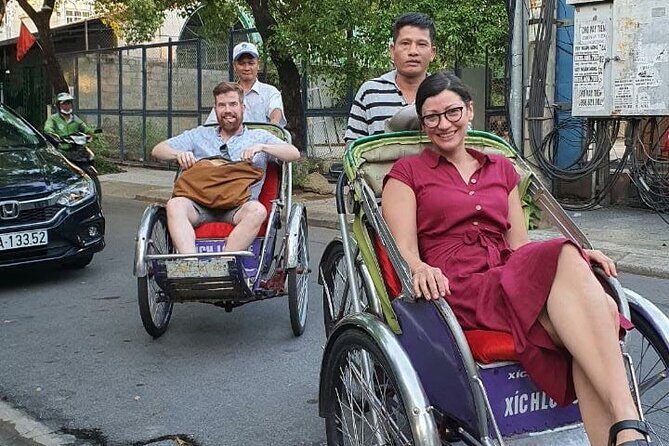
You begin at the meeting address (15 Lê Lợi, Vĩnh Ninh area) at the start time, and the first stop is a beloved three-generation family-run place. The tour kicks off with Hue street-food favorites—snacks and small plates that set you up for the heavier, more iconic bowls later.
Why this first stop works: it acts like a warm-up palate. You’ll get a sense of how Hue flavors balance savory elements with sour and aromatic touches. And you’re not jumping straight into the most famous dish with no background.
A downside to note: this is a walking-focused experience, and the first stop is part of that rhythm. Wear comfortable shoes and expect to stay on your feet for much of the 3-hour arc.
Stop 2: Perfume River vibes and Bun Hen (spicy baby clam noodles)
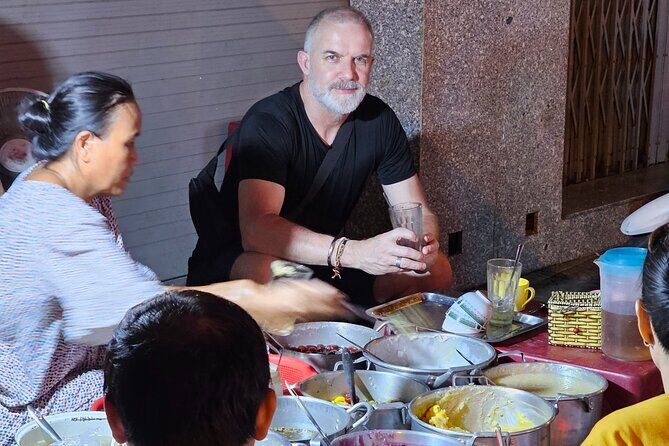
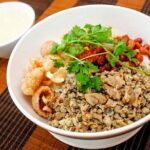
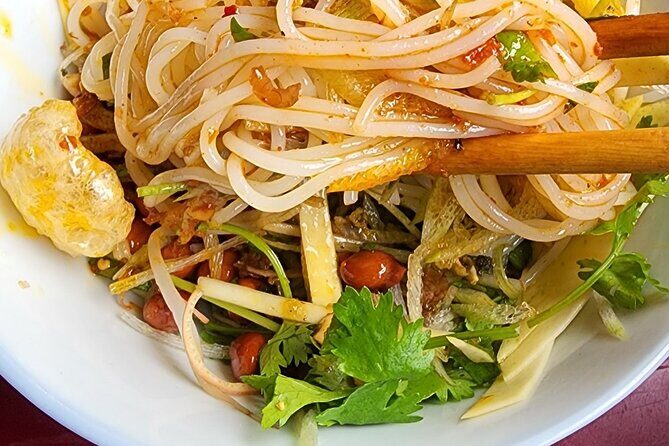
Next you cross the Perfume River with your guide, then head to a well-known street vendor who’s served locals for over 35 years. This is where you taste Bun Hen—described as a spicy baby clam noodle dish.
This stop is about more than one bowl. It’s where you start learning how Hue seafood flavors show up in everyday noodle meals. The “35+ years” detail matters because it signals consistency. Hue street food isn’t built on a one-day trend; it’s built on repeat customers and routines.
Spice note: since Bun Hen is described as spicy, it’s a good moment to tell your guide if you want a milder order. You’ll likely get better results if you say it early rather than waiting until the next stop.
Stop 3: Inside the Citadel with Bun Bo Hue and the chef’s story
From there, you head into Hue’s historic Citadel area. You’ll visit a famous local eatery for Bun Bo Hue, a spicy beef noodle soup. The best part here is that you meet the chef behind the dish and hear why it’s such an iconic order in Hue.
This is one of those stops where context really matters. Bun Bo Hue isn’t just “beef noodle soup.” In Hue style, the character of the bowl comes from how it’s built—flavor layers, how the heat lands, and how the beef component shows up in the overall texture. Having the chef connected to the stop helps you understand what to pay attention to when you order later.
Timing is about 30 minutes here, which keeps things moving but still gives you enough time to ask questions while the dish is in front of you.
Other food & drink experiences in Hue
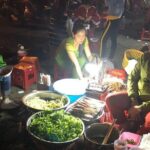

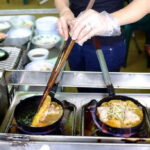
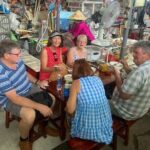
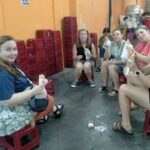
Stop 4: Banh Khoai and Nem Lui, with live prep at a family kitchen
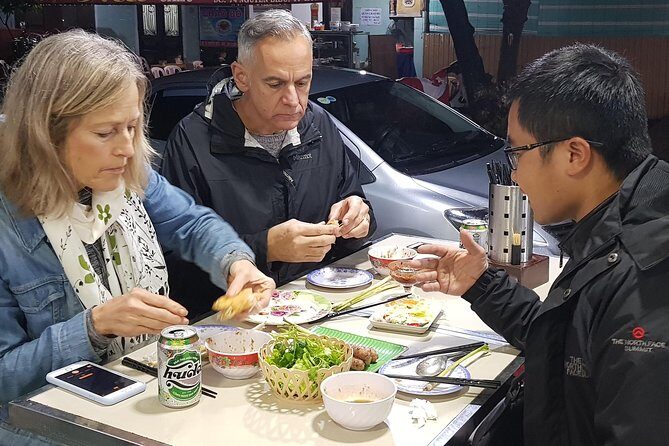
You’ll continue around the Imperial City (the Citadel) area and arrive at another three-generation family eatery. This time you’ll watch chefs prepare Banh Khoai and Nem Lui—two of Hue’s most recognizable plates.
- Banh Khoai: a crispy savory pancake
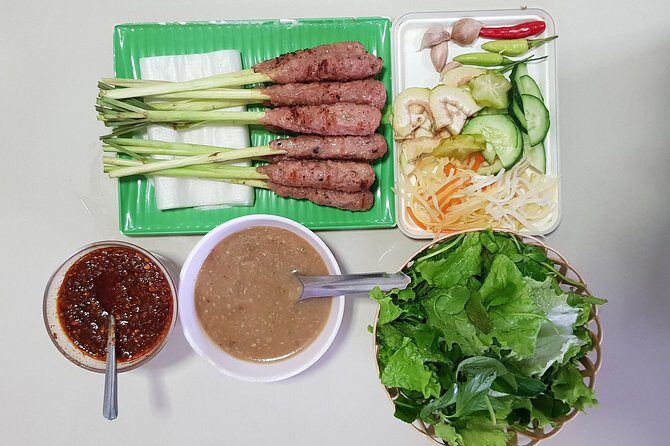
- Nem Lui: grilled lemongrass pork rolls
Watching food being made changes the way you taste it. With something crispy like Banh Khoai, you start noticing texture right away. With Nem Lui, you can spot how the grilling process affects the lemongrass aroma and the char that builds flavor.
This stop runs about 40 minutes, which is perfect for slow eating and asking the questions you actually care about—how to order, how it’s different from similar-looking dishes elsewhere, and what you should watch for in quality.
Stop 5: Che Hue to close strong (and cool you down)
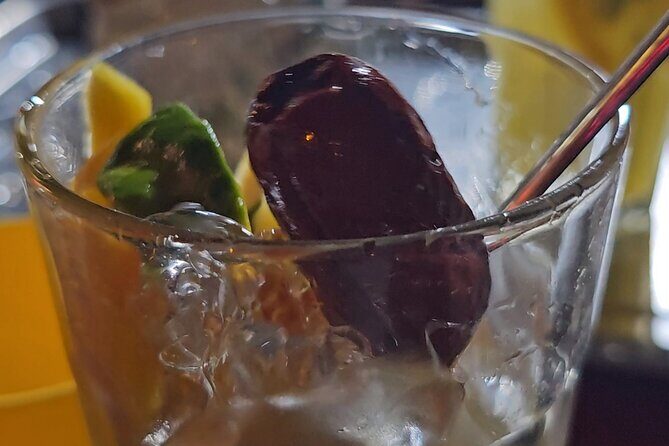
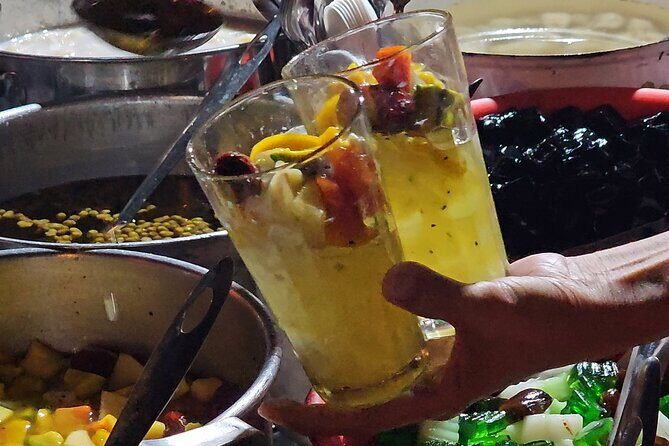
Your final stop is a traditional sweet: Che Hue. It’s a classic local dessert, served at a popular spot, and it’s a smart way to end the tour because it shifts you away from heat and onto cooling sweetness.
In practice, this stop balances the meal. After spicy noodle bowls and savory pancakes, Che Hue gives you a finish that feels complete without asking you to “power through” one more heavy dish.
The tour ends here, so you can then head off to whatever you’ve planned next—some people use it as a great early-evening anchor, while others schedule it right after arriving in Hue.
Price and value: why $34 feels fair for 8 dish types
At $34 per person, the math works out because you’re not just paying for access—you’re paying for guided ordering, pacing, and a lineup of Hue staples.
Included in the price is your brunch with 8 types of dishes, plus the guiding fee. Admission tickets are listed as free, and the tour explicitly ends up being a practical, half-day-ish experience without the usual “tourist menu” problem.
For me, the biggest value isn’t the number of stops. It’s that the dishes you eat are the ones that help you understand Hue. You’ll taste signature items—Bun Hen, Bun Bo Hue, Banh Khoai, Nem Lui, and Che Hue—then you leave with a mental checklist for how to order similarly good food on your own.
Walking, cyclo, or motorbike: pick the comfort level you want
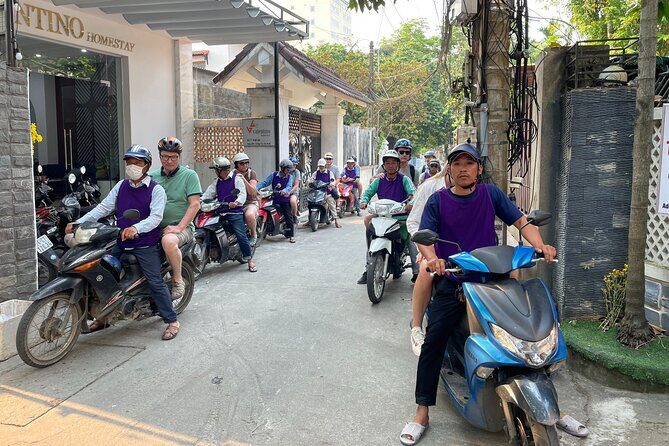
The experience gives you flexibility. You can choose to walk, ride a cyclo, or hop on a motorbike for a unique way to get around.
Cyclo-style travel is often a good match for a city like Hue because it slows things down. One strong theme from guide descriptions is that it lets you take in the river and street views without rushing. Motorbike options can be faster, but you’ll want to gauge your comfort with traffic.
My practical advice: choose the mode that matches your energy level. If you’re easily tired by walking, go for cyclo or motorbike. If you like moving at a steady pace and reading street scenes as you go, walking makes the whole thing feel more personal.
Who this Hue food tour suits best
This tour is a strong fit if you want:
- a small-group experience where your guide can explain dishes clearly
- an efficient introduction to Hue’s most recognizable foods
- help ordering and understanding what you’re eating, so you can repeat it later
It’s also a good pick if you’re short on time in Hue but still want more than a one-bowl meal. Five stops in about 3 hours can give you a lot of flavor coverage without dragging your evening into late night.
If you’re very picky about spice, or you have specific food restrictions, you should tell the operator/guide in advance. The tour specifically asks you to let them know about any restriction of food, which is the right move.
Practical tips so you enjoy it (and don’t stall mid-tour)
Here are a few things that will make the experience smoother:
- Eat light beforehand. You’ll get multiple dishes and a sweet at the end, so don’t arrive starving in a way that makes you sick of food halfway through.
- Expect heat. Since some dishes are described as spicy, decide your “spice tolerance” early and communicate with your guide.
- Bring cash for personal expenses and tips. Tips aren’t included.
- Wear comfy shoes. Even with cycling options, much of the tour is designed around getting around on foot.
- Watch the weather. The tour notes that good weather is required; if weather turns, you may be offered a different date or a refund.
Should you book the Hue Food Tour with Vietnam Legacy Tours?
Yes—if you want Hue food with context and you like the idea of eating signature dishes in a short window, this is a smart buy.
Book it if:
- you want Bun Hen, Bun Bo Hue, Banh Khoai, Nem Lui, and Che Hue all in one guided outing
- you care about learning how to order, not just checking off dishes
- you prefer a small group (max 8) with active guide attention
Skip or switch plans if:
- you can’t handle spicy food at all and don’t want to risk it even with guidance
- you’re not comfortable walking for part of the experience
If your goal is to leave Hue knowing what to eat next—and how to order it confidently—this tour is built for exactly that.
You Might Also Enjoy

More Tours in Hue
- Easy Rider private tour via Hai Van pass from Hue – Da Nang – Hoi An (1Way|Loop)
★ 5.0 · 1,542 reviews


More Tour Reviews in Hue
- Easy Rider private tour via Hai Van pass from Hue – Da Nang – Hoi An (1Way|Loop)
★ 5.0 · 1,542 reviews