REVIEW · HUE VIETNAM
Hue: Royal City Tour – Customize Your Own Itinerary
Book on GetYourGuide →Operated by Hue Transfers · Bookable on GetYourGuide
Royal palaces and pagodas, packed into one custom car ride.
This Hue tour is interesting because you choose how many stops you want, and the whole day is built around seeing the Nguyen Dynasty story in the places where it actually happened, from royal tombs to famous Buddhist sites. You get a private vehicle with hotel pickup, so you’re not spending your time bargaining or hunting buses.
I especially like the way this route mixes Imperial City big-picture power with the quieter detail of tomb design.
I also love that the driver can time the day so you get to key spots like Thien Mu Pagoda and (if you pick it) Thanh Toan Bridge without feeling rushed, and you’ll have a professional, English-speaking point person who can stay available.
One thing to consider: entry fees are not included, and the stops involve walking and uneven grounds at some monuments, so comfortable shoes really matter. It also isn’t suitable for wheelchair users.
In This Review
- Key highlights that make this tour worth your time
- How Hue’s Royal City Tour Fits a Real Half-Day
- The Real Value of a Private, English-Speaking Driver (Including Waiting Time)
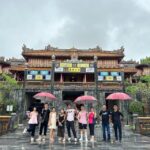
- Imperial City: The Nguyen Dynasty’s Working Headquarters
- Minh Mang Tomb, Khai Dinh Tomb, Tu Duc Tomb: Choosing Your Royal Architecture
- Minh Mang Tomb: Architecture that blends with the setting
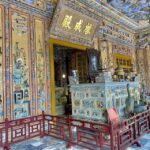
- Khai Dinh Tomb: UNESCO design and a special place in Nguyen construction
- Tu Duc Tomb: A poetic setting for a long-reigning king
- How to decide between the tombs
- Thien Mu Pagoda and Tu Hieu Pagoda: Two Very Different Kinds of Peace
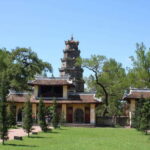
- Thien Mu Pagoda: 400 years old and built for attention
- Tu Hieu Pagoda: The root pagoda connected to Thích Nhất Hạnh
- A smart way to use these pagoda stops
- Thuy Xuan Incense Village: 700 Years of Making Something People Use
- An Dinh Palace and Thanh Toan Bridge: A Twist Between Court and Countryside
- An Dinh Palace: A private residence and a modern renovation era
- Thanh Toan Bridge: National relic status and spiritual significance
- Price and Time: What You Pay (and What You’ll Need to Budget Separately)
- Time math that helps you choose your option
- Practical Tips So Your Custom Hue Day Feels Easy
- Should You Book This Hue Royal City Tour?
- FAQ
- How long is the Hue Royal City Tour?
- Is hotel pickup included?
- What does the tour include?
- Are entry fees included?
- Do I get a tour guide?
- What sites can I choose from?
- Is the tour wheelchair accessible?
Key highlights that make this tour worth your time
- Pick your destinations so you can match your energy and your wish list
- Private hotel pickup and drop-off for a smooth, low-stress start
- Imperial City plus Nguyen tombs that show power, art, and nature in one arc
- Thien Mu Pagoda (400 years old) and Tu Hieu Pagoda for a spiritual Hue pause
- Thuy Xuan incense village for a hands-on look at 700 years of craft
- Thanh Toan Bridge if your chosen option includes it, for a national relic moment
How Hue’s Royal City Tour Fits a Real Half-Day
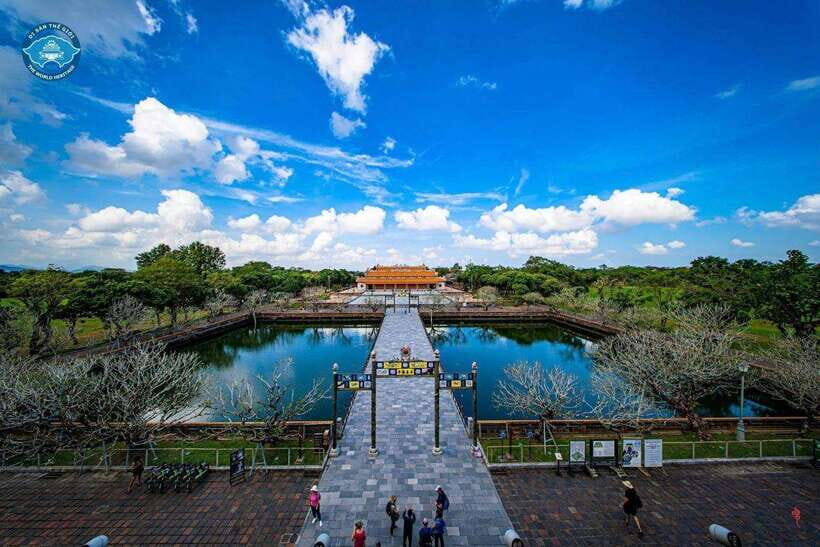
This tour works best when you want to see the headline royal sights of Hue but don’t want the hassle of doing it piece by piece. The duration runs about 210 to 330 minutes, so you’re looking at roughly a half-day in a private car, not an all-day marathon.
The big advantage is control. Your itinerary is customizable by number of destinations, which matters in Hue because certain spots take longer to reach than others. If you want more time for photos and slower sightseeing, you’ll choose fewer stops. If you’re on a tight schedule and want the broadest sweep, you can add more.
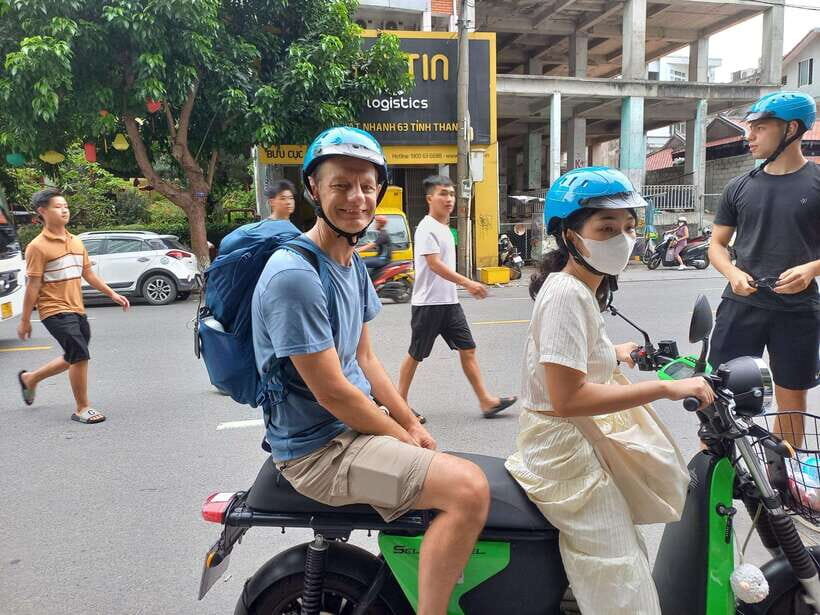
Also, you start and end with convenience: hotel pickup and drop-off are included. Your driver will wait for you at the hotel lobby when pickup is optional, which is exactly what you want after a day of travel—less time figuring out logistics, more time seeing sites.
Finally, it’s a private group. That sounds like marketing, but it’s practical here: you can pause when you want, leave when you want, and keep the day’s flow based on your interests, whether that’s architecture, history, or just getting your bearings in Hue.
If you're still narrowing it down, here are other tours in Hue Vietnam we've reviewed.

The Real Value of a Private, English-Speaking Driver (Including Waiting Time)
The tour includes a private English-speaking driver and a private car, plus a bottle of water. It’s a simple package, but it adds real value in places where you’d otherwise spend time coordinating.
What I like most about this setup is that the day is controlled by the driver, not by you. You don’t have to keep asking where to go next. Your driver picks you up in Hue following your request time, then brings you from monument to monument and drops you back at your hotel when it’s done.
In the experience I’ve seen with this operator’s service style, the drivers can be very punctual and polite, and they’ll wait for you at each monument rather than leaving you to rush the next spot. That waiting time is underrated. It lets you actually look, not just stand for ten seconds and sprint.
If your priority is seeing multiple royal sites in one go, this is the kind of service that saves energy. And for Hue specifically—where you’ll likely want to step in and out of several locations—private transport makes your sightseeing feel calmer.
Imperial City: The Nguyen Dynasty’s Working Headquarters
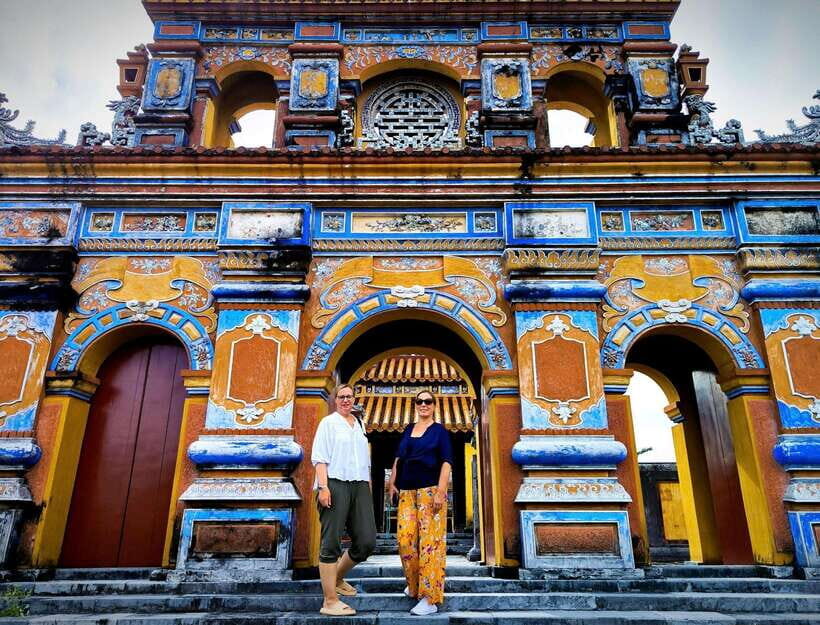
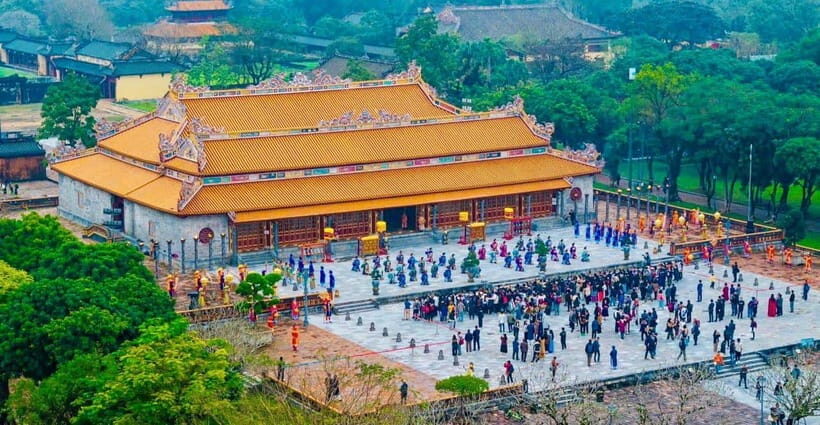
If you choose it, Imperial City is where Hue turns from scenic to political. This complex was the headquarters of the last feudal dynasty in Vietnam, the Nguyen kings, who lived and worked there for 143 years (from 1802 to 1945).
That time span matters. You’re not just looking at ruins or a museum backdrop. You’re seeing the seat of power in the period when the Nguyen court shaped daily administration, ceremonies, and royal life. Even if you’re not a history nerd, the layout and scale help you understand why this place mattered.
A practical note: entry fees are not included in the tour price, and the tour doesn’t include a separate tour guide. That means you’ll still be responsible for tickets at each site, and you’ll likely rely on your own reading or any on-site interpretation available. If you enjoy self-guided exploration, that’s fine. If you want someone to explain everything in depth, you may want to budget for an on-site guide at major stops.
The other practical detail: you should wear comfortable shoes. Imperial City walking can add up, and you’ll want the freedom to stop for viewpoints.
Minh Mang Tomb, Khai Dinh Tomb, Tu Duc Tomb: Choosing Your Royal Architecture
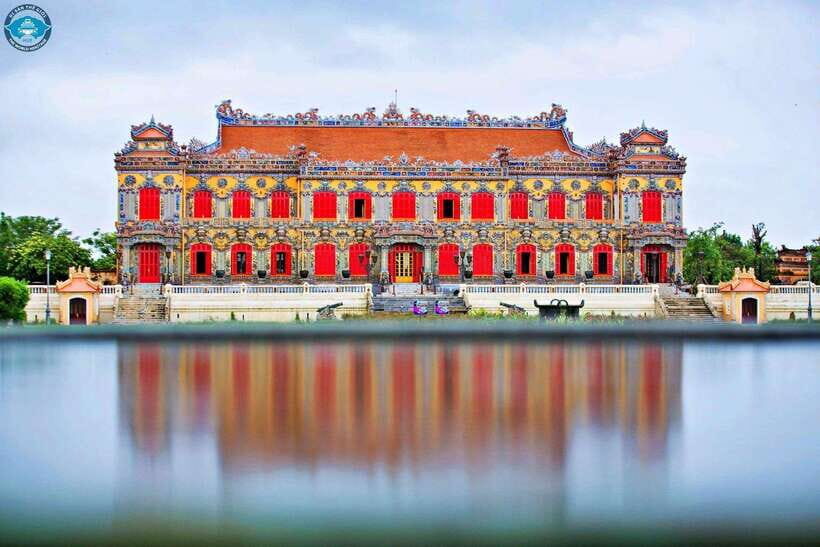
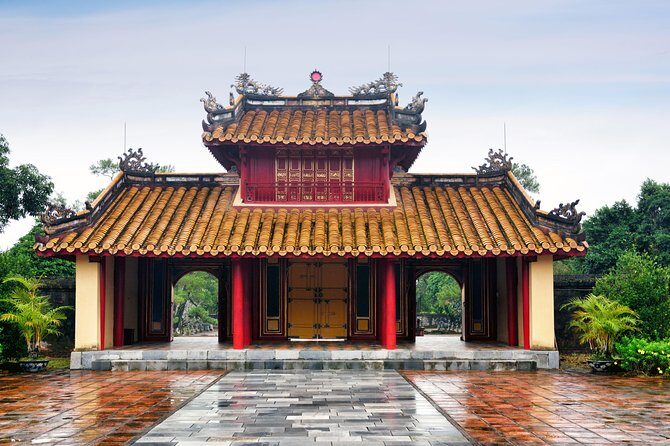
One of the best parts of this tour is that it lets you pick from several royal tomb sites. Hue’s royal tombs don’t just look impressive from a distance; they’re designed like statements about power, spirituality, and how a dynasty wanted to be remembered.
Here’s what each one brings, and what you should consider when choosing.
Minh Mang Tomb: Architecture that blends with the setting
If you include Minh Mang Tomb, you’ll see how its magnificent architecture is designed to work with the surrounding environment rather than fighting it. That approach can feel calming compared with tombs that are all hard angles and stark stone.
This is a good pick if you like architecture that feels composed and landscaped (in the literal sense of designed surroundings), not only monuments that are built for impact.



Khai Dinh Tomb: UNESCO design and a special place in Nguyen construction
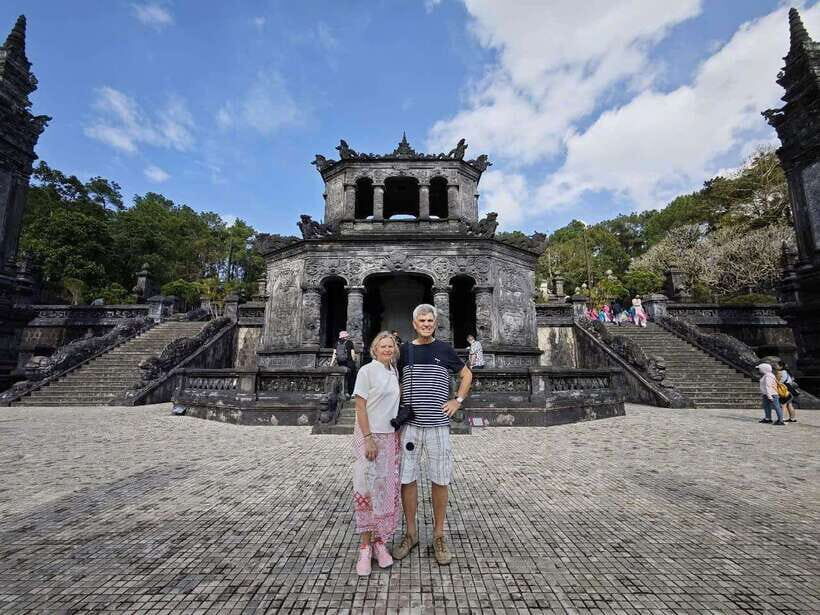
Khai Dinh tomb is listed as a UNESCO World Heritage Site. The big takeaway is that it has outstanding architecture and is described as the last construction of the Nguyen Dynasty (1802–1945).
That last-construction context is interesting because it can help you notice the tomb’s character as a final expression of the dynasty’s era. If you’re interested in art and design decisions that reflect a late period, this stop is a strong choice.
Tu Duc Tomb: A poetic setting for a long-reigning king
Tu Duc tomb is tied to the 4th king of the Nguyen Dynasty, and the experience is described as immersing you in nature with poetic architectural beauty. Tu Duc is also highlighted as one of the longest-reigning kings, so the tomb carries a sense of time and patience.
If you want a break from pure palace imagery and prefer a slower, more atmospheric stop, Tu Duc is often the one you’ll feel in your bones rather than just see.
How to decide between the tombs
You’ll probably want to match your selection to your energy and your priorities. If your goal is variety, choose two tombs: one that emphasizes setting (Minh Mang) and one that emphasizes standout architecture (Khai Dinh or Tu Duc). If you’re short on time, picking just one can still give you a memorable “Nguyen tomb” experience without turning the day into a checklist.
Thien Mu Pagoda and Tu Hieu Pagoda: Two Very Different Kinds of Peace
Hue’s pagodas are famous, and this tour can include two of the area’s most talked-about spiritual stops.
Thien Mu Pagoda: 400 years old and built for attention
Thien Mu Pagoda is described as one of the most beautiful pagodas in Hue, and it’s noted as having a long history of about 400 years old. You’ll learn about its history and marvel at its unique architecture.
Even if you don’t know Buddhist architecture in advance, Thien Mu tends to be visually easy to appreciate. The architecture is the point, and the storytelling about its long timeline helps make that visual impression feel grounded instead of random.
Tu Hieu Pagoda: The root pagoda connected to Thích Nhất Hạnh
Tu Hieu pagoda is described as the famous “root pagoda” of Zen master Thích Nhất Hạnh. It’s portrayed not only as a place for monks’ awakening life, but also as a serene haven for anyone who wants to escape busy life or learn meditation.
If your day in Hue is heavy on royal buildings and tomb symbolism, this is a useful counterweight. It can feel like a reset stop—different atmosphere, different pace.
A smart way to use these pagoda stops
Pagodas tend to reward the visitor who slows down. Since the tour is private and timed, you can use these stops as a breathing space rather than rushing to the next photo. If you’re choosing between tombs and pagodas, remember that pagodas give you the spiritual side of Hue; tombs give you the dynasty’s legacy.
Thuy Xuan Incense Village: 700 Years of Making Something People Use
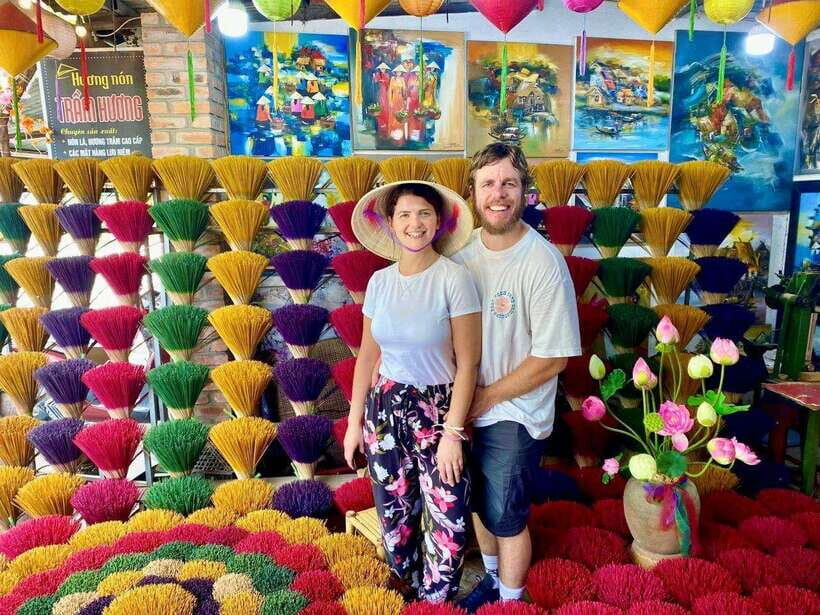
If you pick Thuy Xuan Hue incense village, you get a different kind of history: craft history. The village is described as dating back 700 years, and it was a traditional incense-making village in the Nguyen Dynasty.
This stop is especially valuable because it shows you how royal life touched daily spiritual practice. The village once served as a supply center for the royal court and locals in areas like Thuan Hoa and Phu Xuan. That’s a big deal: it connects the official dynasty story with what people actually did and bought for worship.
You’ll also learn that incense sticks were produced in two basic colors—brown and red—and that the craft has stayed preserved and developed as generations passed it down.
If you like places where you can see how a tradition gets made (not just see a monument built once), this is one of the best “value per minute” stops on the tour. It’s not only about architecture; it’s about living heritage.
An Dinh Palace and Thanh Toan Bridge: A Twist Between Court and Countryside
Some tours stick to one theme. This one can cross themes, and that can make it more satisfying.
An Dinh Palace: A private residence and a modern renovation era
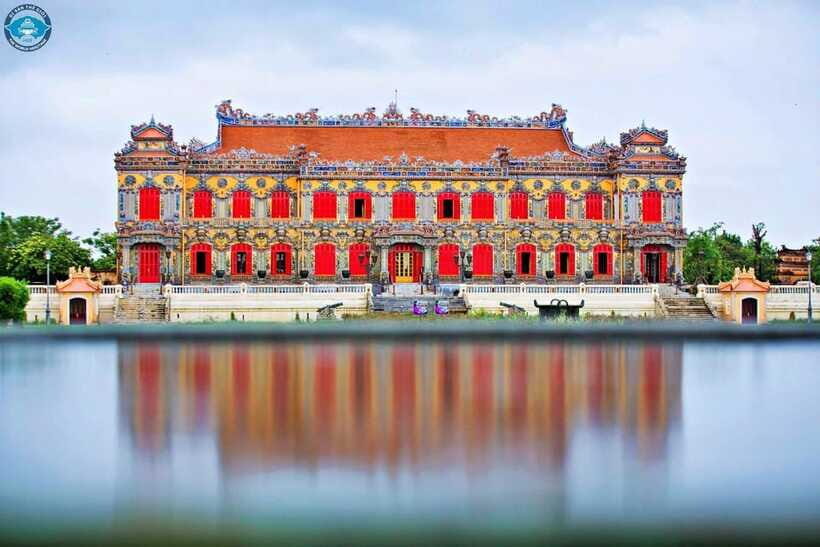
An Dinh Palace is connected to the Khai Dinh Emperor, described as living there from childhood until becoming the 12th Emperor of the Nguyen Dynasty. It was his private residence.
The story gets even more specific: between 1917 and 1919, Nguyen Phuc Vinh Thuy (later Bao Dai Emperor) had the palace renovated in a modern style, and it became the residence officially.
This detail matters because it shows Hue isn’t only old-world ceremony. The palace is tied to a period of change, where modern renovation entered imperial spaces. If you’re the type who likes human timelines—who lived where and when—An Dinh can feel like a mini story inside the bigger dynasty narrative.
Thanh Toan Bridge: National relic status and spiritual significance
Thanh Toan Bridge is described as an ancient monument recognized as a national relic in Hue. It’s historically significant as a testament to the transition of an ancient capital of a long-gone civilisation, and it also has spiritual significance.
The tour also highlights the charming landscape setting and the bridge’s unique architecture. Even without expert interpretation, a bridge like this can be worth it because you’re seeing something that served practical movement and also became spiritually meaningful over time.
This is the kind of stop that works best if you enjoy variety: tombs and pagodas in the morning, then a calmer “Hue countryside” feeling by the end.
Price and Time: What You Pay (and What You’ll Need to Budget Separately)
The price shown is $6 per person, with hotel pickup and drop-off, a private English-speaking driver, a private car, and a bottle of water included. That’s strong value on paper because transport is often the biggest cost in a half-day tour.
But you should budget realistically. Entry fees to attractions are not included, and the tour also does not include a tour guide. Food and other drinks are not included either.
So how do you judge value? Simple: ask yourself whether you’re paying for convenience (transport + pickup + timing + English-speaking support) and whether you’re comfortable adding tickets on site. If you are, the low price makes sense. If you expected everything fully packaged with guided interpretation at every stop, you might find the day requires a bit more self-management.
Also note: the driver is the English-speaking support, not an included guide for every site. If you want deeper explanation at Khai Dinh or the Imperial City, you might need to use on-site info or hire on-site guidance separately.
Time math that helps you choose your option
Because the total duration is limited to 210 to 330 minutes, every extra stop uses up time for transit and entry. That’s why the ability to customize by number of destinations is more than a nice feature—it’s the key to getting a day that feels enjoyable rather than rushed.
Practical Tips So Your Custom Hue Day Feels Easy
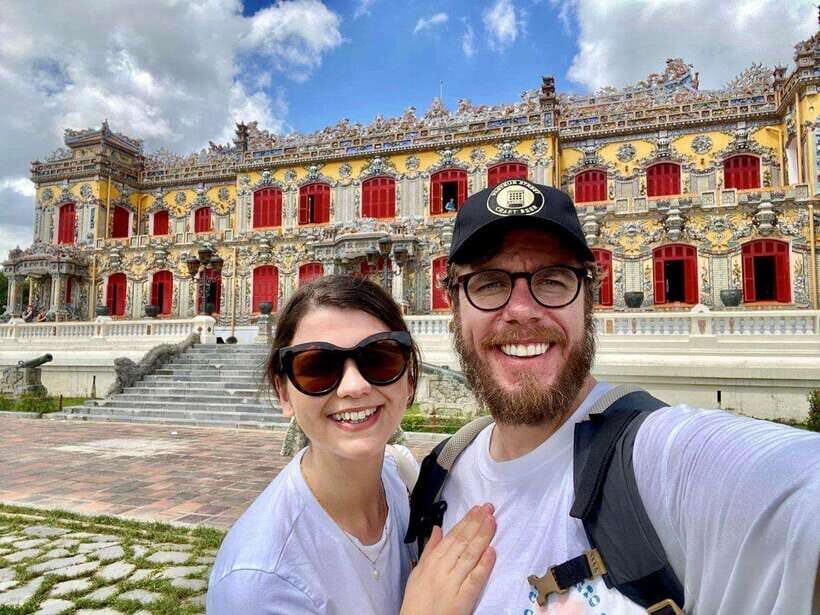
A few small things will make this tour smoother.
- Wear comfortable shoes. Some stops involve walking around large grounds and dealing with uneven surfaces.
- Bring a plan for timing. When you pick more destinations, you may trade depth for coverage. When you pick fewer, you can slow down.
- Know what’s included and what isn’t. You’ll have water and transport, but you’ll still pay entry fees and handle your own snacks.
- Since it’s a private group, you can choose what you care about most: royal architecture, spiritual sites, craft history, or bridge/countryside atmosphere.
One more constraint to remember: alcohol and drugs are not allowed. It’s worth knowing so you don’t get surprised about what’s expected during the day.
And if mobility is a factor, the tour is not suitable for wheelchair users, so you’ll want to look for an accessible alternative.
Should You Book This Hue Royal City Tour?
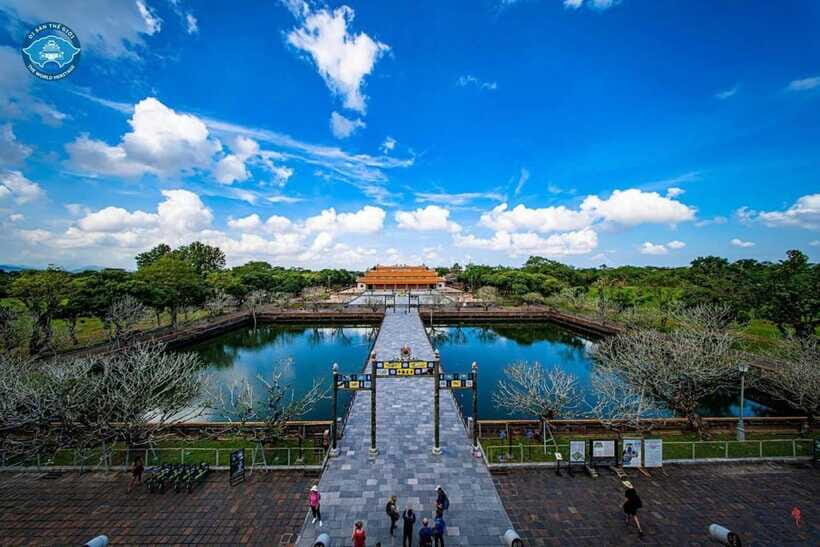
I’d book this tour if you want a custom, private half-day that covers the main Hue “must-sees” without you coordinating every ride and ticket. It’s also a great fit if you like self-guided sightseeing and you’re happy to add entry fees on site while relying on your English-speaking driver for logistics.
Skip it—or at least reconsider your destination count—if you’re expecting a fully guided tour at every stop. The driver helps, but on-site guiding isn’t included. Also, if you’re sensitive to walking time, choose fewer destinations so you don’t feel squeezed.
My bottom line: this is good value for travelers who want Hue’s royal side and spiritual side in one organized day. Pick your stops carefully, wear good shoes, and treat it like a curated route you can shape to your interests.
FAQ
How long is the Hue Royal City Tour?
The duration is about 210 to 330 minutes. Exact starting times depend on availability.
Is hotel pickup included?
Yes. Hotel pickup and drop-off are included, and pickup is described as optional with the driver waiting at the hotel lobby.
What does the tour include?
It includes hotel pickup and drop-off, a private English-speaking driver, a private car, and a bottle of water.
Are entry fees included?
No. Entry fees to attractions are not included.
Do I get a tour guide?
A tour guide is not included. The driver is English-speaking, and on-site guides are not included either.
What sites can I choose from?
The available destinations described include Imperial City, Minh Mang Tomb, Khai Dinh tomb, Tu Duc tomb, Thuy Xuan incense village, An Dinh Palace, Thien Mu Pagoda, Tu Hieu pagoda, and Thanh Toan Bridge (depending on the option you select).
Is the tour wheelchair accessible?
No. It is not suitable for wheelchair users.