REVIEW · HUE VIETNAM
Hue Motorbike & Boat Tour to Countryside & Heritage Sites
Book on GetYourGuide →Operated by Adventure Journey Vietnam · Bookable on GetYourGuide
Hue by scooter and boat hits different. This private one-day route mixes Hue’s UNESCO Imperial City, grand Nguyen tombs, and quieter countryside stops, then cools you off with a private dragon boat on the Perfume River. The big appeal is control: you can work with your guide to shape the day around the sights you care about most.
Two things I really like here are the custom-feel motorbike touring (you’re not stuck in a rigid bus loop) and the private boat ride that breaks up all the walking and roadside stops. The main thing to consider is that Royal Tomb entrance fees are not included, so you’ll want to plan ticket time and budget ahead so the day doesn’t feel like a surprise at every gate.
In This Review
- Key points worth knowing before you go
- How the motorbike and dragon boat day works in Hue
- Entering Hue Historic Citadel, UNESCO’s Nguyen power center
- Thanh Toan Covered Bridge and the Thank Toan market walk
- Khai Dinh Tomb: small footprint, highly detailed design
- Minh Mang Tomb and the option to swap for Tu Duc
- Vong Canh Hill, perfume river views, and Vietnam War context
- Thuy Tien Lake abandoned water park: what you should expect
- Thuy Xuan Village workshops: incense sticks and conical hats
- Tiger Arena at Thuy Bieu Village: the brutal show behind palace entertainment
- Tu Hieu Pagoda: eunuchs in retirement, the Root Temple connection
- Thien Mu Pagoda and the Perfume River symbol of old Hue
- Perfume River private dragon boat cruise: the day’s reset button
- Price and entrance fees: what $16 really means
- Logistics that affect comfort: riding time, walking, and heat
- Who should book this Hue motorbike & boat tour
- Should you book this tour?
- FAQ
- What’s included in the tour price?
- Are Royal Tomb entrance tickets included?
- Can I choose which royal tombs to visit?
- How long is the tour?
- Where do you pick me up in Hue?
- Do I need to buy food or drinks separately?
- Is there an option for a combo ticket for Imperial City and tombs?
- Is this a private tour?
- What language is the guide?
- Can I cancel for a full refund?
Key points worth knowing before you go
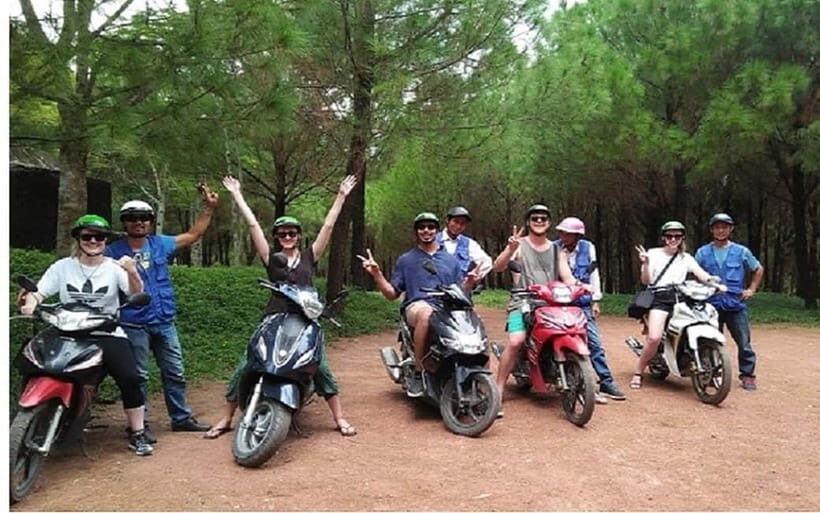
- Private motorbike touring with qualified drivers and helmets means you can enjoy the ride without constantly worrying about traffic.
- UNESCO Hue Historic Citadel is the anchor stop, built by the Nguyen dynasty (Gia Long started the complex in 1804; Minh Mang completed it in 1833).
- Royal tomb variety is a highlight: Khai Dinh, Minh Mang, and Tu Duc each show a different design idea and mood.
- Local life stops are real, not filler: Thanh Toan covered bridge plus a walk toward the Thank Toan local market, and a craft visit at Thuy Xuan incense/conical hat workshops.
- War history viewpoints from Vong Canh Hill add context beyond royal architecture.
- Tiger Arena + Thien Mu Pagoda turn the day from pretty scenery to sharp, memorable history, including the story of Thich Quang Duc’s self-immolation site connection.
How the motorbike and dragon boat day works in Hue
This tour is built around momentum. You start in Hue City, get picked up from your hotel or Hue Railway Station, and then spend most of the day moving by motorcycle/scooter with a driver and helmet. That style matters, because Hue’s royal sites are spread out, and riding is one of the easiest ways to see countryside edges without losing hours to transfers.
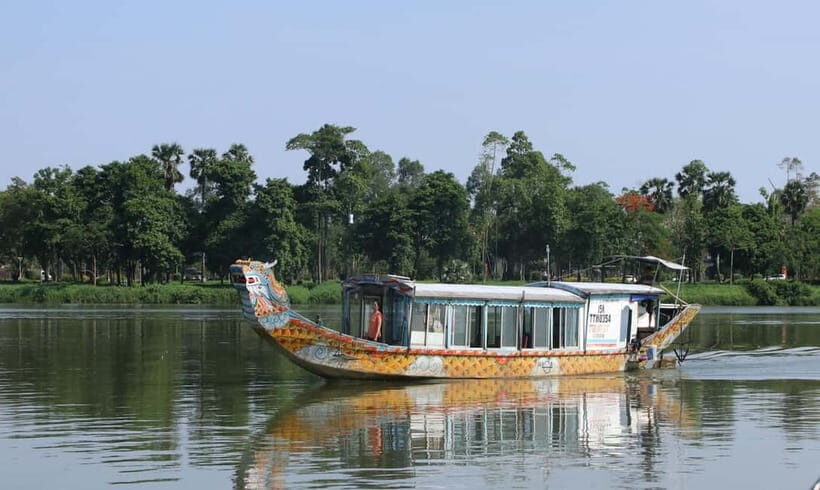
Then you shift gears with water. You’ll take a private dragon boat cruise on the Perfume River, which is a smart break when the day gets long and the sun gets high. You’ll also return to Hue City at the end of the river time, with your guide and driver handling getting you back to your hotel.
If you're still narrowing it down, here are other tours in Hue Vietnam we've reviewed.

Entering Hue Historic Citadel, UNESCO’s Nguyen power center
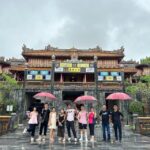
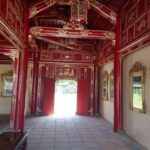
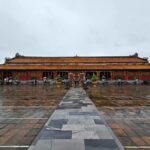
The first major stop is Hue Imperial City, the UNESCO-listed heart of the Nguyen dynasty’s rule. Construction began in 1804 under King Gia Long and was completed in 1833 by King Minh Mang. What makes this place click is that it wasn’t just a palace area; it served as living and working quarters for royal family members up until 1945.
In practice, expect a mix of photo stops, guided walking, and time to orient yourself. The route here helps you understand the layout instead of just checking boxes. If you like architecture with a story behind it, this is where the day’s theme starts to make sense.
Thanh Toan Covered Bridge and the Thank Toan market walk
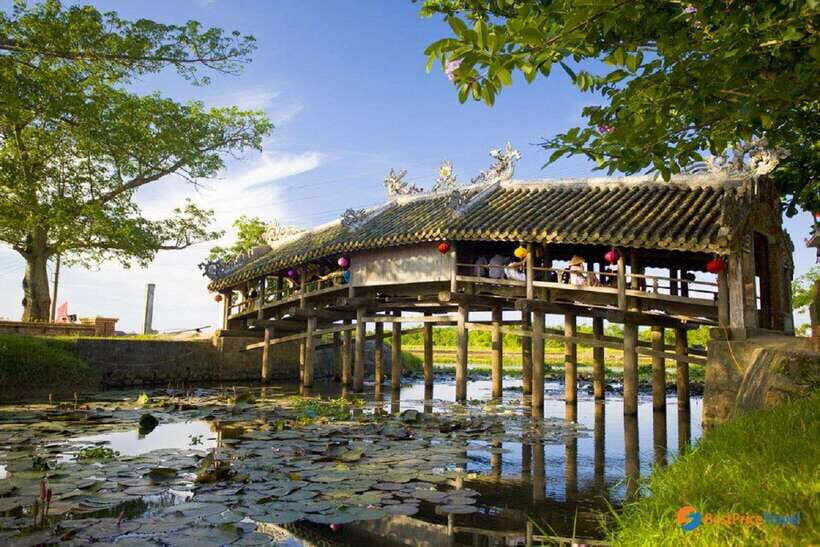
A short hop later, you’ll visit Thanh Toan Covered Bridge, built in 1776 with donations from a local lady. This is one of those Hue landmarks that feels both gentle and specific—pretty enough for photos, but grounded in local history.
From the bridge, you’ll walk toward the Thank Toan local market area. The goal here isn’t shopping for souvenirs; it’s seeing daily life up close and learning how people move through the area on normal schedules. It’s a useful contrast after the grand scale of the Imperial City.
Khai Dinh Tomb: small footprint, highly detailed design
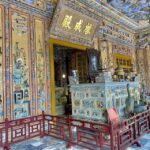
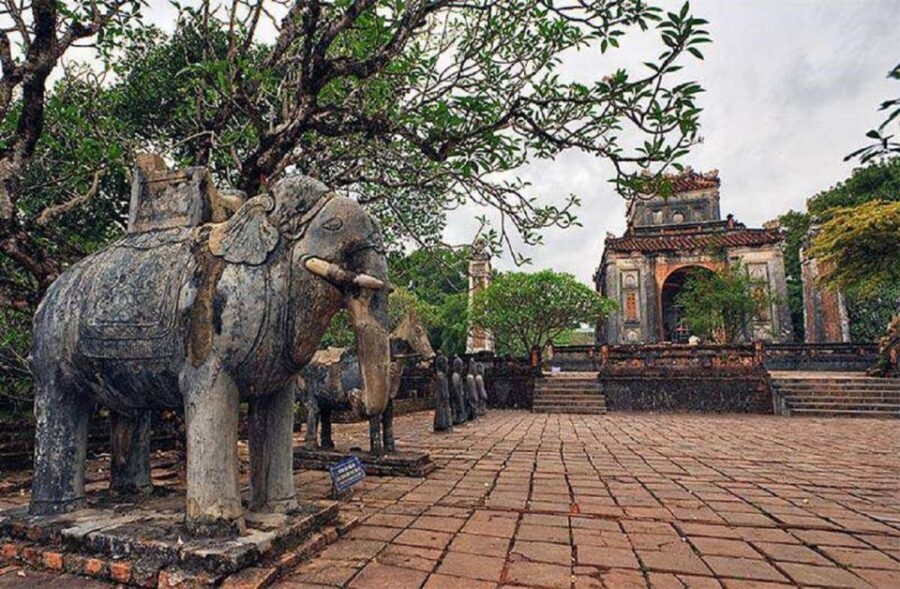
Khai Dinh Tomb is known as the smallest of the Nguyen royal tombs, but it’s also the most elaborately designed. The style is a mix of Oriental, Indian, and European architectural influences, which makes it feel less like a single uniform tradition and more like a statement of reach.
I like this stop because it gives variety without turning the day into random stops. You’ll get guided context for why the details matter, not just a quick look from the gate.
Practical note: expect more walking than you might think from the name alone. Wear shoes you don’t mind getting a bit dusty, because tomb and pagoda visits tend to pile up on your feet.
Minh Mang Tomb and the option to swap for Tu Duc
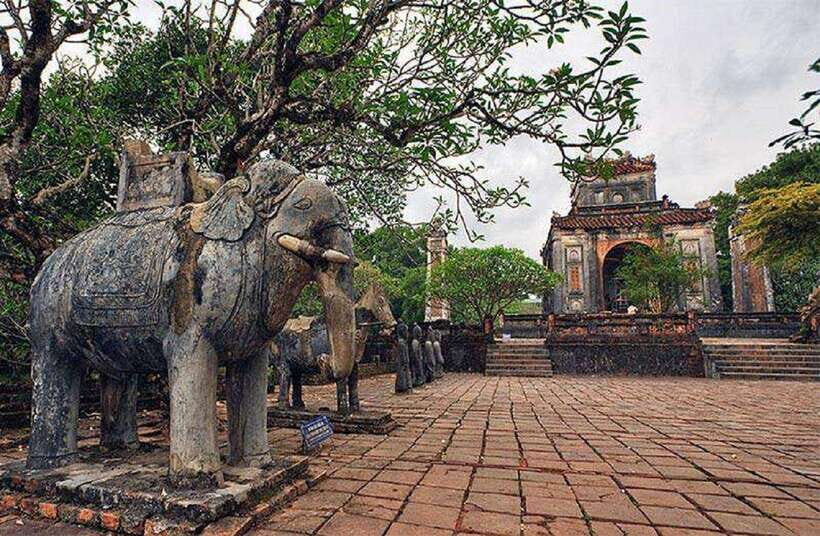
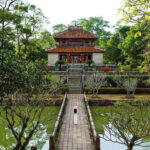
Minh Mang Tomb is described as a top example of architecture matched with natural surroundings. The tour also adds useful timing context: King Minh Mang passed away in 1841, and his successor and son, Thieu Tri, oversaw construction from 1840–1843.
There’s also a built-in flexibility you’ll appreciate if you’re planning your Hue highlights. The tour can swap to Tu Duc Tomb instead of Minh Mang Tomb if you tell them when you reserve. That’s a small detail, but it matters if you already decided which tomb you want most.
Tu Duc Tomb is one of Hue’s star sights: it covers 12 hectares, took 3 years, and involved about 3,000 workers. The setting and the planning are meant to feel serene and picturesque, so it works well if you want a slower, more reflective stretch between heavier history stops.


Vong Canh Hill, perfume river views, and Vietnam War context
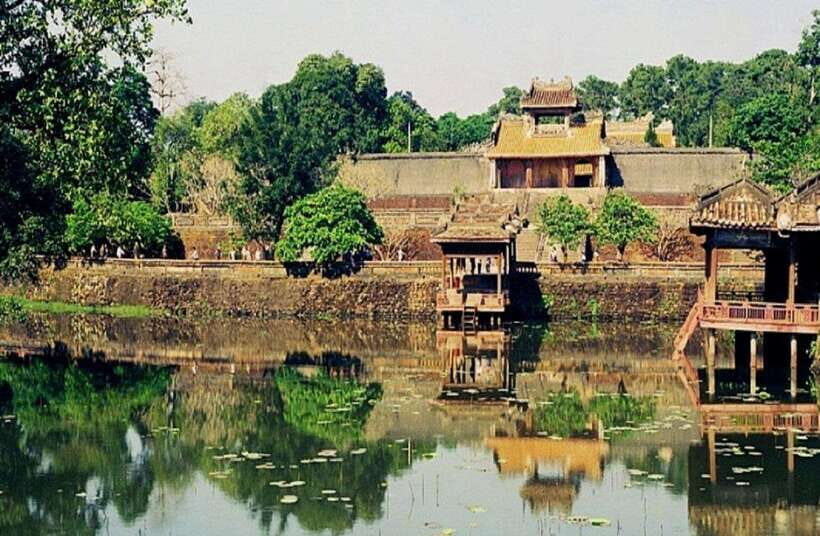
After the tombs, the pace shifts toward perspective. At Vong Canh Hill, you can enjoy views over the Perfume River and learn more about the Vietnam War from viewpoints in the area.
This is important because it adds a layer beyond royal dynastic stories. Instead of only thinking about the Nguyen court, you start seeing how later conflicts shaped how people viewed and used the land.
If you want photos, go with a mindset that the light may change quickly. Hill viewpoints often look good from multiple angles, but you’ll want to take a few minutes to let your eyes adjust before you decide where to frame your shot.
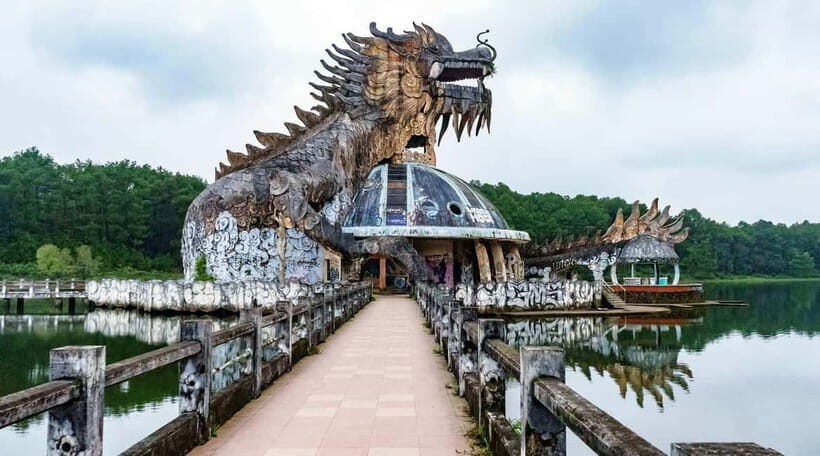
Thuy Tien Lake abandoned water park: what you should expect
Your route includes a stop at Thuy Tien Lake Abandoned Water Park. The information here is minimal, so I’d treat it as a break-in-the-day roadside stop rather than a must-see museum moment.
Still, there’s value if you like seeing how places change over time. Even when the structure is no longer operating, the stop can help you read the region as it is now, not just what it used to be.
If you don’t like derelict sites, you might find it easier to treat this as a quick photo and stretch break and focus your energy on the Imperial City, tombs, and pagodas after.
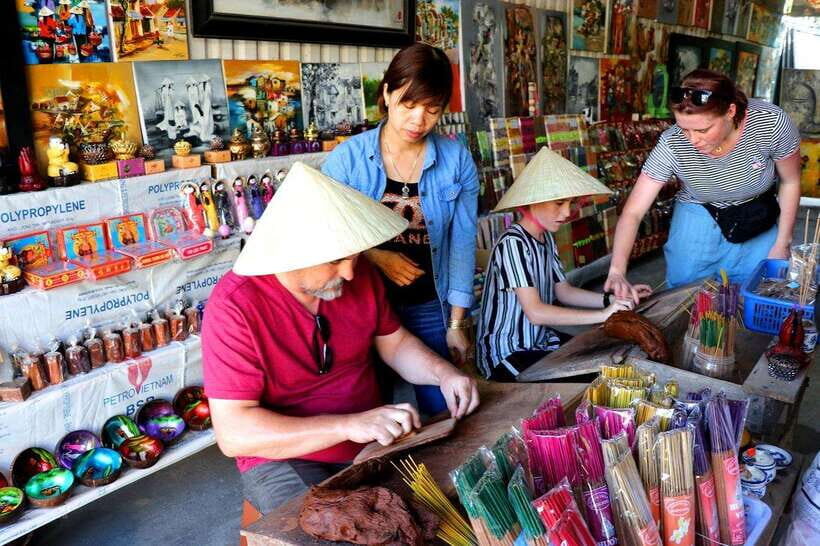
Thuy Xuan Village workshops: incense sticks and conical hats
At Thuy Xuan Village, you’ll visit a workshop area specializing in making incense sticks and conical hats. This is one of the best “hands-on” style moments in the day. You’ll have a chance to try making incense sticks, which turns the visit into something more personal than watching from a distance.
I like this stop because it helps you bring something home that’s tied to a place, not just a mass-produced souvenir. Your guided time also helps you understand how craft work fits into everyday life in Hue’s surrounding communities.
Tiger Arena at Thuy Bieu Village: the brutal show behind palace entertainment
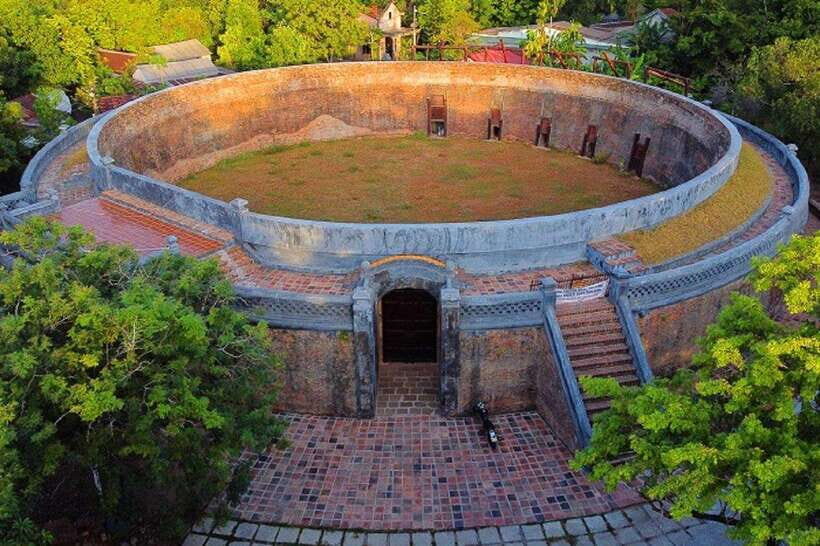
One of the most striking parts of the day is Tiger Arena in Thuy Bieu Village. It was built in 1830 and used as a type of colosseum for fighting between elephants and tigers for entertainment of kings until 1904.
This is not a pleasant story, and the tour doesn’t sugarcoat it. You’ll learn about the brutality of the arena fights as part of Vietnamese royal culture and entertainment practices. It’s a heavy stop, but it makes the rest of the day more honest—royal power wasn’t only ceremonies and temples.
If you’re sensitive to violent history, you may want a quiet minute afterward before you move on. The day keeps going, so it helps to pace yourself emotionally.
Tu Hieu Pagoda: eunuchs in retirement, the Root Temple connection
Next you’ll visit Tu Hieu Pagoda, also known as the Root Temple. The context is specific and memorable: it served as living quarters for eunuchs of the Nguyen dynasty after they retired from royal service.
I love that this stop gives you a different angle on court life. It’s still Vietnam and still Hue’s spiritual sites, but it’s filtered through a unique part of royal history that many visitors skip.
The guided visit here is the difference between seeing old buildings and understanding why they were used.
Thien Mu Pagoda and the Perfume River symbol of old Hue
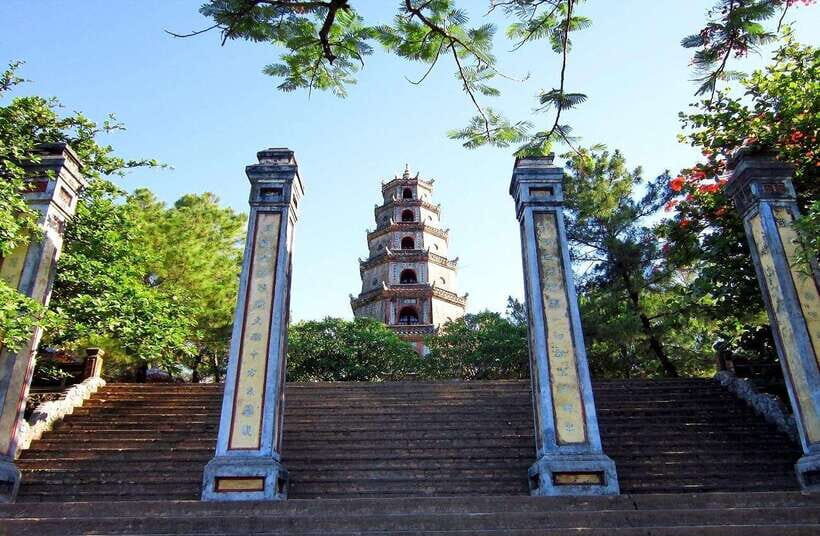
Thien Mu Pagoda is often described as an unofficial symbol of Hue’s former imperial capital, and your visit supports that feeling. It sits on the north shore of the Perfume River about 3 km from the Imperial Citadel.
You’ll also learn about a modern, painful history connection. The pagoda houses an Austin Motor Vehicle connected to Thich Quang Duc’s self-immolation in Saigon in 1963, performed in protest against the Diem regime. Today it’s still a working spiritual place, with monks and a holy site visited daily.
If you’re trying to make sense of Vietnam’s layers—imperial past, Buddhist life, modern protest—this stop helps connect them. It’s also a great place to slow down and take in the mood rather than rush for photos.
Perfume River private dragon boat cruise: the day’s reset button
The tour ends with a relaxing Perfume River cruise by dragon boat. This part is more than scenic time; it’s how the day shifts from land-based history to breathing room.
You’ll likely have some shopping time during or around the river portion, plus time to enjoy the water without moving your legs every few minutes. When the cruise ends, your guide and driver help you return to your hotel in Hue City.
It’s a smart ending: you’ve covered tombs, bridges, pagodas, and war viewpoints, so you finish with a smoother sensory experience.
Price and entrance fees: what $16 really means
At $16 per person for a full day, the value is strong—especially because you get several costly pieces bundled in. You’re paying for an English-speaking guide, qualified motorbikes with driver and helmets, and a private dragon boat cruise.
What’s not included is just as important. Royal Tomb entry tickets are excluded, and you’ll want to plan your tomb gate time and ticket costs before you reach the sites. You may want the combo ticket approach for smoother day flow.
The tour specifically notes combo options for Imperial City and royal tombs: a 420k ticket that covers Imperial City plus two tombs, or a 530k ticket that covers Imperial City plus three tombs. Those combo tickets are valid for two days, which can be handy if you’re staying longer in Hue and want some flexibility.
If you’re trying to budget tightly, ask yourself one question: which tombs do you want most? Then choose your combo ticket size based on that, not based on hope that you’ll see everything.
Logistics that affect comfort: riding time, walking, and heat
This tour is active. Even with motorbike movement, you’ll do guided walking at multiple stops—Imperial City areas, bridges and market walk, pagodas, and tomb complexes. If you’re carrying kids or you’re a person who hates heat, you’ll want water and a plan to pause when your guide suggests breaks.
On top of that, you’ll be riding on the back of a motorbike/scooter. The good news is the tour includes helmets and uses qualified drivers, and people have said they felt safe even on their first time riding. Still, be honest with yourself: if you feel uncomfortable on motorcycles, this may not be the best Hue tour style for you.
Who should book this Hue motorbike & boat tour
I’d book this if you want a Hue day with variety: royal architecture, Buddhist sites, war context, and countryside texture. The private format and the ability to customize your route make it a good match for couples, solo travelers, and families where one shared itinerary beats splitting into separate plans.
It’s also a solid pick if you’re comfortable with walking and you want to see Hue beyond the most obvious stops. The Tiger Arena history and the eunuchs’ living quarters at Tu Hieu Pagoda are the kind of details that make a tour feel more like a story than a checklist.
If you’re mainly after a relaxed sightseeing day with minimal movement, you might find the schedule too full. But if you like your travel days to have momentum and meaning, this is a good fit.
Should you book this tour?
Book it if your top priorities are Hue Imperial City, royal tomb variety, and a Perfume River dragon boat day. The combination of motorbike touring, an English-speaking guide, and private boat time makes the $16 price feel practical, not gimmicky.
Think twice if Royal Tomb tickets are a dealbreaker for you, or if motorcycle riding would make the day stressful. If you can handle a full, active day and you’re willing to budget for tomb entries, this tour is a strong way to see Hue in one go without feeling stuck in a bus schedule.
FAQ
What’s included in the tour price?
The tour includes an English-speaking tour guide, qualified motorbikes with driver and helmets, private dragon boat cruising on the Perfume River, travel insurance covered up to 20.000.000vnd, fuel, and all entrance fees except for the Royal Tombs.
Are Royal Tomb entrance tickets included?
No. Entrance tickets to Royal Tombs are not included. You may want combo tickets for Imperial City and Royal Tombs to cover entry efficiently.
Can I choose which royal tombs to visit?
Yes. It’s possible to visit Tu Duc Tomb instead of Minh Mang Tomb if you inform the provider when you reserve.
How long is the tour?
The experience is listed as 1 day.
Where do you pick me up in Hue?
Pickup is included from your hotel or from Hue Railway Station. If you want pickup from the train station, you’ll need to provide your Train Number.
Do I need to buy food or drinks separately?
Yes. Food and drinks are not included.
Is there an option for a combo ticket for Imperial City and tombs?
Yes. The tour suggests combo tickets such as 420k for Imperial City with 2 tombs, or 530k for Imperial City with 3 tombs, valid in two days.
Is this a private tour?
Yes. It’s a private group experience.
What language is the guide?
The tour provides a live guide in English.
Can I cancel for a full refund?
Yes. Free cancellation is available up to 24 hours in advance for a full refund.