REVIEW · HUE
Hue city tour : Royal Tombs , Citadel with Tour Guide
Book on Viator →Operated by Hue Happy Car - Private Day Tours · Bookable on Viator
Hue’s royal sites feel like a history map. This private tour hits Imperial Citadel plus Thien Mu Pagoda and two major tombs in about 4–5 hours, so you get the story in one clean run. I like the private guide time (English-speaking) and the comfort of an air-conditioned car with pickup. One thing to watch: ticket coverage can be a little confusing, since the itinerary says admission tickets are included but the provider also notes entrance fees as not included.
Hue sits by the Perfume River, and this route gives you a strong sense of why the old capital still feels ceremonial. You’ll also see the big UNESCO-approved frame for the city, not just one photo stop. On a wet day, a good guide can keep the plan sensible; in Hue, that kind of flexibility matters.
Stops are fairly quick—think 35–60 minutes each—so don’t expect hours of wandering. Short stops are great for first-timers, but you’ll want comfortable shoes, especially if you’re moving between tomb areas and viewpoints.
In This Review
- Key highlights from this Hue Royal Tombs and Citadel tour
- How the route tells Hue’s royal story without wasting time
- Royal sites in 4–5 hours: what your day will feel like
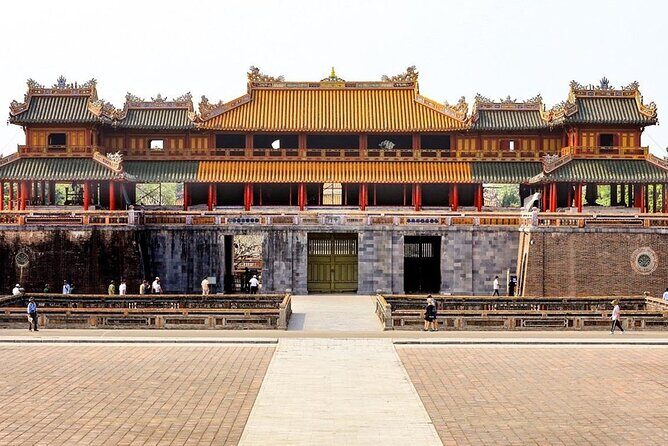
- Stop 1: Hue Imperial Citadel (1804–1833) and how it worked as a power center
- Stop 2: Thien Mu Pagoda (built 1601) and the spiritual vibe of Hue
- Stop 3: Khai Dinh Tomb and the rare Orient-European blend
- Stop 4: Tu Duc Tomb (1864–1876) built for a king’s everyday life
- Guide and driver quality: the biggest difference in a private day
- Price and value: why $83 per person can work in Hue
- Transportation comfort and timing: pickup, mobile tickets, and pacing
- What to pack and how to plan your day
- Should you book this Hue Royal Tombs and Citadel tour?
- FAQ
- How long is the Hue Royal Tombs and Citadel tour?
- Is this tour private or shared?
- Do I get pickup in Hue?
- Are entrance tickets included for the stops?
- What’s included in the tour price?
- What’s not included?
Key highlights from this Hue Royal Tombs and Citadel tour

- Imperial Citadel built 1804–1833 by the Nguyen dynasty’s early kings (Gia Long and Minh Mang)
- Thien Mu Pagoda (1601), Hue’s oldest and most famous pagoda tied to the Nguyen family founder Nguyen Hoang
- Khai Dinh Tomb’s Orient-and-European style mix, one-of-a-kind among the royal tombs
- Tu Duc Tomb (1864–1876), built for the king’s life and work while he was still alive
- English-speaking private guide with a driver, so you’re not stuck doing mental translation between sites
- AC vehicle, WiFi, and bottled water, plus a mobile ticket for a smoother day
How the route tells Hue’s royal story without wasting time
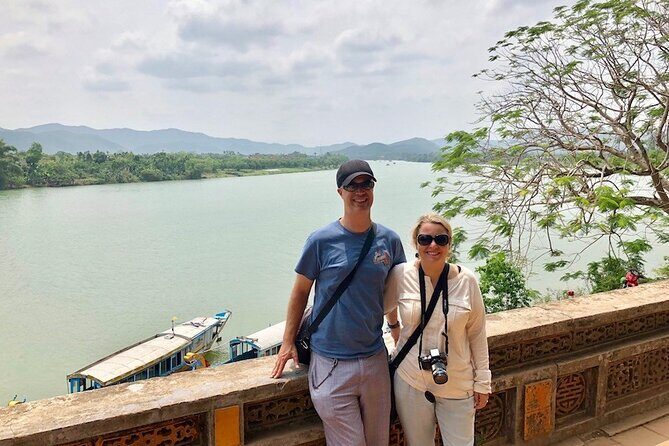
Hue’s royal sights work best as a set, not as random pins on a map. This tour does that by pairing the political center (the citadel) with the spiritual anchor (Thien Mu Pagoda) and then finishing with two very different royal tombs. The result is a day that feels ordered: power first, belief second, then legacy.
You’ll also get practical pacing. Each site has a set window, which helps when the weather shifts or when you’re trying to beat the heat. If you like structure—but still want to ask questions—this format is a good fit.
And since it’s private, you control the tempo in small ways: you can ask for a few extra minutes at a viewpoint or move through faster if you’re not a slow-walker. That matters more in Hue than you’d think, because you’re mixing architecture, gardens, and tomb layouts.
Other Imperial City and Citadel tours in Hue


Royal sites in 4–5 hours: what your day will feel like
This is a short, focused tour. Expect about 1 hour for the citadel, around 35 minutes for Thien Mu Pagoda, and roughly 45 minutes each for Khai Dinh and Tu Duc tombs. It’s not a long “sit and study” day; it’s a “see the key parts, understand the meaning, then decide what to revisit” day.
That pacing is a strength if you’re on a tight schedule or if this is your first time in Hue. It’s also helpful if you’re traveling with family members who get tired. The included bottled water and the AC ride keep the energy up between stops.
The main trade-off is depth. If you’re the kind of traveler who wants to read every inscription and trace every corridor, you may want to plan a second visit later. For first-time visitors, though, this kind of hit-list approach is often the best value.
Stop 1: Hue Imperial Citadel (1804–1833) and how it worked as a power center
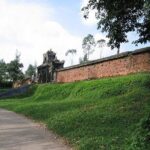
The Imperial City—often called the citadel—was built between 1804 and 1833 under the Nguyen dynasty’s early kings, Gia Long and Minh Mang. It functioned as the political and cultural core, so it’s not just a pretty wall-and-gate scene. You’re looking at the physical layout of authority.
When you walk through this kind of complex, the big value is understanding relationships: where governance happened, where ceremonies took place, and how the city was designed to reinforce hierarchy. A good guide makes the ground plan feel logical instead of confusing.
A practical note: because the citadel is a large area, you’ll want to move steadily and wear shoes you can trust. Shade can be uneven depending on where the group goes, so consider light clothing you can handle in humidity. If it’s raining, you’ll appreciate the private car and the guide’s ability to keep the day moving.
Stop 2: Thien Mu Pagoda (built 1601) and the spiritual vibe of Hue
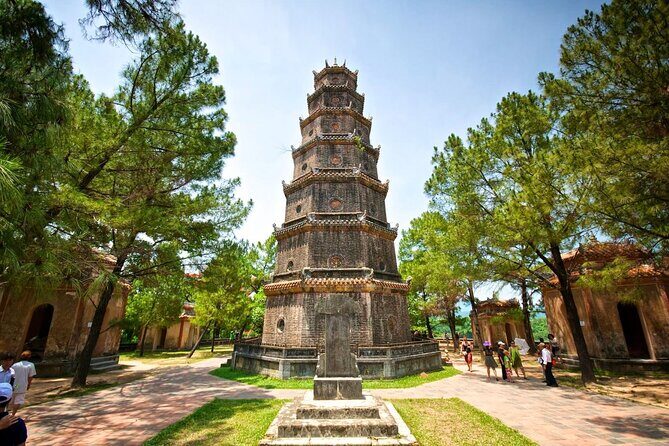
Thien Mu Pagoda is Hue’s oldest and most famous pagoda, built in 1601 by Nguyen Hoang, linked to the founder of the Nguyen family in this region. Even before you get too deep into the details, the site has that calm, shrine-centered atmosphere that makes it feel different from the citadel’s power-structure mood.
This stop is shorter (about 35 minutes), but it’s the kind of short that works. You get the essentials without turning the pagoda into a rushed checklist. And if you’re interested in how Hue’s religion connects to its royal story, this is the bridge stop.
The name itself matters. The tour notes its meaning: Thien Mu Pagoda translates with a Heaven connection, reinforcing the idea that this wasn’t only a place for worship, but also a symbolic center. If you want to remember Hue as more than an architecture tour, this pagoda is where the day shifts tone.
Stop 3: Khai Dinh Tomb and the rare Orient-European blend
Khai Dinh Tomb is one of those stops that gets attention for a reason. Built between 1920 and 1931, it’s described as the only Nguyen royal tomb with a blended style of Orient and European elements. That makes it a useful counterpoint to the more traditionally East-leaning expectations people bring with them.
The tomb’s layout is also interesting because of what’s noted in the itinerary: the king is buried underneath his tomb. That detail adds meaning when you’re standing in the decorative parts above—your eyes start to connect the symbolism to the actual final resting place.
In terms of pacing, you’ll have about 45 minutes here. That’s enough to grasp the key design features and get photos, but not enough to treat it like a long, slow museum-style visit. If you’re the type who likes to compare architecture styles, you’ll likely wish you had 30 more minutes—so consider saving time later for a return visit if something grabs you.
In bad weather, tomb areas can feel slippery or muddy. If rain hits, I’d keep your focus on surfaces you can step on confidently and let the guide set the walking rhythm.
Other Royal Tombs and pagoda tours in Hue





Stop 4: Tu Duc Tomb (1864–1876) built for a king’s everyday life
Tu Duc Tomb is built by King Tu Duc, covering the period from 1864 to 1876. The strong idea here is that it wasn’t only a monument for later. The tour description notes that Tu Duc sometimes lived and worked there while he was still alive.
That changes how you should view the site. Instead of thinking purely about a final resting place, you’ll be looking at a designed living environment for a ruler—space used for everyday life, not just ceremony. Even in a short visit, that concept helps you notice different parts of the grounds: where someone could move, pause, or spend time in a planned way.
You’ll get around 45 minutes. It’s a fair amount if your goal is understanding the concept and seeing the major structures. If you enjoy quiet gardens or want to linger near views, you might feel a little time pressure. Still, this stop is one of the best choices if you want Hue to feel personal—like you’re stepping into a ruler’s world rather than only into a state monument.
Guide and driver quality: the biggest difference in a private day
With a private tour, the people matter. The included private car means you’re not stuck negotiating rides between sites, and the English-speaking guide means you get context without guessing.
The strongest recurring theme from real-world service feedback is attentiveness. You may be guided or driven by people like Mr. Tien (mentioned as a driver/owner) and Ms Lam (mentioned as a guide). Descriptions emphasize good English and a friendly, careful style—plus humor on wet days. Another guide name that shows up is Ahn, described as French-speaking, which is a useful reminder that language support can vary by assignment, even when English is the stated target.
What you should look for on the day:
- Are your questions answered in plain language, not long speeches?
- Does the guide explain what you’re seeing, not just what the building is called?
- Can they adjust timing if the weather turns?
Even if you’re not asking many questions, a solid guide makes the day feel smoother because you’re not wandering around wondering what matters.
Price and value: why $83 per person can work in Hue
At $83 per person for a private 4–5 hour run, the value is mostly about what’s included and how few compromises you’re making. You’re getting:
- An air-conditioned vehicle and bottled water
- WiFi on board
- A private guide who speaks English
- Fuel and parking
Those are the practical costs that add up fast when you try to DIY. Hue’s sites are spaced out enough that a car day is usually the easiest way to cover them in time. Add private guiding, and you’re not just buying transport—you’re buying interpretation, which is where these sites start to make sense.
One caution on value: entrance/ticket wording can be inconsistent. The itinerary marks admission tickets as included for each listed stop, but the broader tour notes also mention entrance fees as not included. Before you go, it’s smart to confirm exactly which tickets are covered for your booking. That’s the only “gotcha” area I’d flag.
Meals and drinks aren’t included, so budget for that yourself. The good news: with water provided and a short day, it’s easy to keep it simple—find a small local spot when you finish.
Transportation comfort and timing: pickup, mobile tickets, and pacing
This tour is set up to feel easy logistically. Pickup is offered, and you’ll have a mobile ticket. The car includes WiFi and AC, which helps a lot in Hue’s humidity.
Because it’s private, you’re also spared from the “everyone waits” problem that can slow group tours. You’re still moving through lines and entry points, but the day is less likely to feel chaotic.
Timing is built into the visit windows. If you plan your day around this tour—rather than trying to squeeze in extra stops—you’ll likely feel less rushed. If you do want extra add-ons, you’ll need to keep expectations realistic, because the core tour already uses most of the available day window.
What to pack and how to plan your day
This is a walk-and-stand kind of day. Bring:
- Comfortable shoes for tomb grounds and the citadel
- A light rain layer or umbrella if the forecast is uncertain
- Sunscreen and a hat if you’re visiting in hotter months
Also, since the stops are time-limited, decide what your priorities are before you arrive. For example, if you care most about architecture, you’ll want to spend a bit more attention at Khai Dinh’s style blend and at the citadel’s layout. If you’re more about culture and meaning, make Thien Mu Pagoda and Tu Duc Tomb your focus points.
If you’re traveling with family, plan ahead for breaks. This tour is short, but tomb sites can still involve uneven footing and stairs.
Should you book this Hue Royal Tombs and Citadel tour?
Book it if you want a structured first taste of Hue’s top royal and spiritual landmarks in one day. The private format, the AC car, and the English-speaking guide (plus the strong guide-and-driver service style mentioned in real-world feedback) make this a low-stress way to learn what you’re seeing. It’s also a good choice if you’re not trying to spend your whole trip in transit.
Hold off or ask extra questions before paying if you care a lot about ticket clarity and full admission coverage. Confirm what’s included versus what you may need to pay on-site, especially since the information about entrance fees is not perfectly consistent.
If you like your history with context—and you want Hue to feel like more than a set of monuments—this one earns its place on the first-day shortlist.
FAQ
How long is the Hue Royal Tombs and Citadel tour?
The tour runs about 4 to 5 hours.
Is this tour private or shared?
It’s private. Only your group participates.
Do I get pickup in Hue?
Yes, pickup is offered.
Are entrance tickets included for the stops?
The itinerary notes admission tickets included for the main stops, but the tour details also state entrance fees are not included. It’s smart to confirm what’s covered for your exact booking.
What’s included in the tour price?
You get an air-conditioned vehicle, WiFi on board, a private driver, bottled water, a private guide speaking English, and fuel and parking fees.
What’s not included?
Meals and other drinks are not included.
You Might Also Enjoy



More Tour Reviews in Hue
- Easy Rider private tour via Hai Van pass from Hue – Da Nang – Hoi An (1Way|Loop)
★ 5.0 · 1,542 reviews