REVIEW · HUE
Hue: Thuy Bieu Village Cycling Half-day Tour
Book on Viator →Operated by Hoi An Express Travel · Bookable on Viator
A quick ride turns into real village time. What I love most about this Thủy Biều Village cycling tour is how easy it feels to pedal at a casual pace through farm roads, and how you get specific stops like Elephan Re Temple (Long Chau Temple) plus Thủy Biều fruit gardens. The trade-off? You only have about half a day, so you’ll move along fairly efficiently rather than lingering.
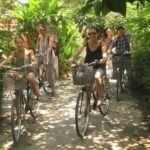
This is built around Hue’s countryside just outside the city, on the upstream bank of the Perfume River, about 7 km from central Hue. You’ll cycle with an English-speaking guide, stop at the temples, and learn what grows here as you roll past bamboo groves, areca trees, and Chinese tea plants. You’ll also get a close look at garden houses filled with Thanh Tra pomelo.
One more practical note: this is a small group experience (max 15), and it’s designed for shared momentum. If you want lots of solo time or a super structured, fast ride, you might prefer a private option.
In This Review
- Key highlights you will care about
- Hue’s Thủy Biều Village ride is really about the road, not just the sights
- Getting picked up in Hue City Center and starting smoothly
- Stop 1: Elephan Re Temple (Long Chau Temple) and the value of a short, focused visit
- Cycling to Tiger Arena and Long Chau Temple: the route is the lesson
- Thủy Biều: the village-area feeling and how you spend your 1.5 hours
- Thanh Tra pomelo garden houses: the most memorable food stop
- Guide style and the small-group pace that keeps it comfortable
- Price and included costs: why $37 can be good value
- What to bring and who this half-day tour suits best
- Should you book the Hue Thủy Biều Village cycling half-day tour?
- FAQ
- FAQ
- How long is the Hue Thủy Biều Village Cycling half-day tour?
- Where does the tour start and do you get hotel pickup and drop-off?
- What is included in the $37 per person price?
- Is admission included for the temple stops?
- What language is the guide, and are other languages available?
- How large is the group?
- What are the rules for children on this tour?
Key highlights you will care about
- Thủy Biều countryside, right by the Perfume River: You’re not stuck in the old-town lanes.
- Two temple stops that make the area make sense: Elephan Re Temple (Long Chau Temple) and the nearby Tiger Arena/Long Chau Temple storytelling.
- Pomelo garden houses you can actually see: Thanh Tra pomelo is the featured fruit stop.
- English-speaking guide with plant and farm talk: You’ll learn what grows along the route.
- Small group size (max 15): Easier pacing and less crowd noise.
- Pickup and drop-off in Hue City Center: Less hassle, more riding time.
Hue’s Thủy Biều Village ride is really about the road, not just the sights
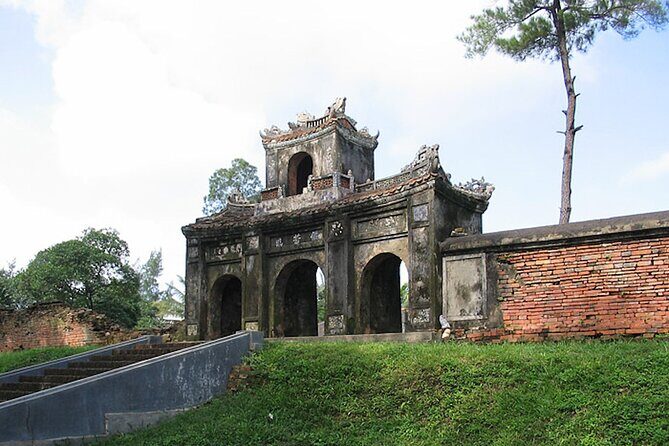
This half-day cycling tour is a smart way to spend a morning in Hue without feeling like you’re sprinting from one landmark to the next. The core idea is simple: you start in Hue City Center, get on a bicycle, and move through the kind of countryside roads locals actually use. You’ll pass rice fields and farms, and you’ll see produce-related activity that feels connected to daily life rather than set up for tourists.
The route stays low-key. In the short time you’re out there, you’re not doing anything extreme. The guide keeps things ride-friendly, and you stop often enough to break up the motion with walking and looking.
And yes, you do get temples. But the more useful value is that the temples are placed in the context of the area you’re pedaling through. When you hear stories tied to Vietnam’s last feudal era, it lands better because you’re already seeing the kind of countryside those sites sit within.
Other countryside and village tours in Hue
Getting picked up in Hue City Center and starting smoothly
Your tour includes hotel pickup and drop-off in Hue City Center, which is a big deal for a countryside ride. It means you don’t need to figure out where the starting point is or how to get there on your own. The tour also includes bottled drinking water, so you aren’t scrambling for basics right away.
Timing-wise, plan for about 3 hours 30 minutes total. That includes cycling time, temple time, and the return. You’ll also get confirmation at the time of booking, so you can plan your morning without guessing.
One thing I appreciate: the tour is capped at 15 travelers. Smaller groups usually mean the guide can keep an eye on everyone and adjust the pace when someone needs a breather.
Stop 1: Elephan Re Temple (Long Chau Temple) and the value of a short, focused visit
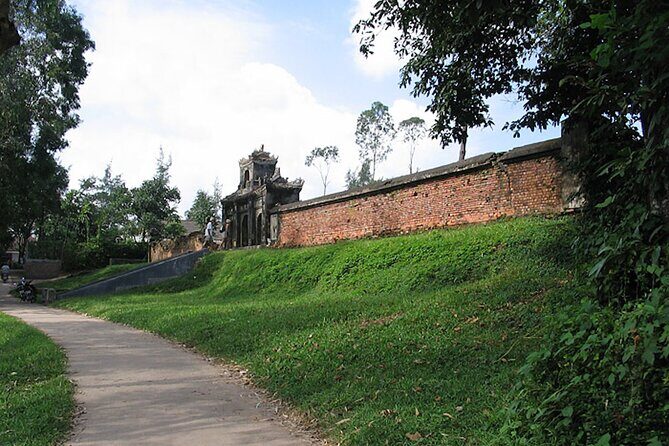
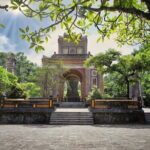
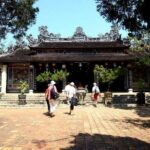
The first stop is Elephan Re Temple (Long Chau Temple), with about 30 minutes on site. Entrance admission for this stop is included, so you won’t be counting cash while you’re trying to look around.
Why I like this kind of time block: 30 minutes is enough to notice what’s going on, ask a few questions, and take photos without feeling like you missed a “required” checklist. It also keeps the momentum so you’re not tired before you start cycling.
Even though it’s short, the site matters because it’s tied to the same storytelling thread you’ll hear later. You’re not visiting temples at random. The guide links them to the region and to the era connected with those historical sites, which helps you understand why people still treat these places as part of their local identity.
Cycling to Tiger Arena and Long Chau Temple: the route is the lesson
After the first temple, you pedal through quiet countryside lanes toward the Tiger Arena and more time connected to Long Chau Temple. This is where the tour earns its place as more than a sightseeing add-on.
The ride passes green bamboo groves, areca trees, and Chinese tea plants. That matters because these aren’t generic background details. Your guide explains local flora—things like plants, herbs, and vegetables that grow well here—so the scenery becomes something you can recognize and mentally map.
You also get stories about the Tiger Arena and Long Chau Temple that were significant during Vietnam’s last feudal era. Without the cycling context, those stories can sound like facts you memorize. With the route, they feel like they describe a landscape you’re actively passing through.
A practical detail: the tour is paced for casual riding. Based on how the experience is described, you’re not feeling pressured to keep up at a sprint. The guide helps you ride comfortably, and the countryside feel stays calm.
Possible consideration: because this is a cycling format with multiple stops, the total time at each place is limited. If you strongly prefer slow, long museum-style visits, you may wish you had another hour at the end.
Thủy Biều: the village-area feeling and how you spend your 1.5 hours
The middle of the tour is centered on Thủy Biều and runs about 1 hour 30 minutes for this segment. Entrance admission at this stop is listed as free, which is one less thing to manage during the day.
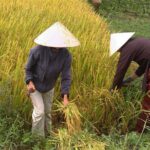
This part of the experience is where you get the “walk, listen, look” vibe. You’re cycling to and within the village area, and the guide’s narration becomes the thread that holds it together: what the plants are, why they grow well here, and what locals pay attention to.
You’ll also notice that this is set up to show daily life patterns around the countryside. You’re moving past farms and produce-related activity, and it feels grounded rather than staged. If you enjoy looking at how people live from the side—without needing to interrupt them—this is a good fit.
Other cycling and biking tours in Hue
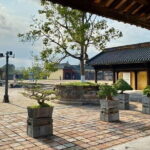
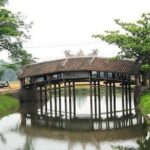
Thanh Tra pomelo garden houses: the most memorable food stop
The highlight for many people is the visit to garden houses filled with Thanh Tra pomelo—a specialty fruit. This isn’t just a photo moment. It’s a chance to connect what you’re learning about plants to something tangible you can see and understand in context.
Why this works: pomelo isn’t random fruit trivia. It’s part of a whole local system of cultivation and gardens that shape how the area looks. The tour route already includes plant talk—bamboo, areca, tea—and the pomelo stop ties it together into one clear takeaway: this countryside produces food in ways that matter to daily life.
If you like food that has a place—fruit that’s grown locally rather than shipped in—this stop will stick with you. Even if you’re not a big fruit person, you’ll likely leave with a stronger sense of what Thủy Biều is known for.
Guide style and the small-group pace that keeps it comfortable
The tour includes English-speaking guides, with other languages available upon request with a surcharge. That helps if you want to ask questions and get explanations rather than just follow along.
What you should expect from the guide is not just facts. It’s also guidance for riding. The experience is described as friendly and easy to ride with, and that’s important when you’re in a group. A well-run countryside bike tour balances two things: enough talking to make stops meaningful, and enough pacing to keep the cycling comfortable for everyone.
Also, with a max of 15 travelers, the tour doesn’t feel like a factory line. You’re more likely to move as a unit, with the guide managing the timing at temple stops and keeping the group together on the road.
Price and included costs: why $37 can be good value
At $37 per person, this tour sits in a reasonable range for a guided half-day in Hue with multiple value add-ons.
Here’s what you do get for that price:
- Hotel pickup and drop-off in Hue City Center
- Bottled drinking water
- English-speaking guides
- Travel insurance
- Entrance fees (including the temple admission at Elephan Re Temple)
Then there are things not included: tips and personal spending like shopping, phone costs, and beverages.
So where does the value come from? Mostly from the package effect. Pickup/drop-off saves time and hassle. Entrance fees being included means you can focus on the stops. And travel insurance included in the tour price is one less thing to arrange on your own.
If you were doing these pieces separately—getting transport to the countryside, paying admission, and arranging a guided route—this bundled format can feel like the smarter choice, especially if you’re short on time.
What to bring and who this half-day tour suits best
This is best for you if you want a countryside cycling morning from Hue and you enjoy learning from a guide as you move. You’ll like it if you:
- Prefer calm, practical sightseeing over long, intense tours
- Want to see how the area looks and grows, not just monuments
- Enjoy food culture through the lens of a specific local fruit like Thanh Tra pomelo
- Like small-group experiences with a shared pace
What might not be ideal? If you want a very deep, long temple visit, this format is designed for motion and short stop windows. You’re out there for about 3.5 hours total, so it won’t replace a full-day countryside excursion.
For what to pack, keep it simple: bring a small bag, wear comfortable clothes for cycling, and keep your essentials easy to access. The tour provides bottled water, which helps.
Should you book the Hue Thủy Biều Village cycling half-day tour?
If you want an authentic-feeling break from Hue city center—one that combines temple stops, a plant-focused countryside ride, and a Thanh Tra pomelo garden experience—I think this is a strong pick. The small group size and the guide’s ride-friendly style make it feel manageable, even for people who are new to cycling.
Book it if you like the idea of learning as you travel by bike, not just collecting photos. I’d skip it if you only care about spending lots of time inside major sites, or if you prefer a private, slower schedule.
One last practical benefit: the tour offers free cancellation, with full refund if you cancel at least 24 hours in advance. So if your Hue plans are still flexible, you’re not locked in.
FAQ
FAQ
How long is the Hue Thủy Biều Village Cycling half-day tour?
The tour lasts about 3 hours 30 minutes.
Where does the tour start and do you get hotel pickup and drop-off?
Yes. The tour includes hotel pickup and drop-off in Hue City Center.
What is included in the $37 per person price?
The price includes bottled drinking water, an English-speaking guide, travel insurance, and entrance fees. Hotel pickup and drop-off are also included.
Is admission included for the temple stops?
Yes. Admission is included for Elephan Re Temple (Long Chau Temple), and the Thủy Biều stop lists admission as free.
What language is the guide, and are other languages available?
The guides speak English. Other languages are available upon request with a surcharge.
How large is the group?
The experience has a maximum of 15 travelers.
What are the rules for children on this tour?
Children aged 0–5 years are free. Children aged 6–10 years pay 50% off. The policy also allows a maximum of 1 child accompanied by 1 adult, and the 2nd child pays the adult price.
You Might Also Enjoy
More Tour Reviews in Hue
- Easy Rider private tour via Hai Van pass from Hue – Da Nang – Hoi An (1Way|Loop)
★ 5.0 · 1,542 reviews