REVIEW · HUE VIETNAM
Hue: Brew Egg, Salt & Coconut Coffee
Book on GetYourGuide →Operated by Phin Coffee Class Viet Nam · Bookable on GetYourGuide
Hue turns coffee into a show. In Hue, this hands-on class has you brewing four iconic Vietnamese styles—phin, egg, salt, and coconut—while you learn what makes them taste the way they do, using bold robusta beans.
What I like most is the format: you don’t just watch. You brew, you taste, and you compare flavors in real time. The other big win is the host-style teaching—classes are run by an English-speaking local guide, and past sessions have been led by people like Duck (also called Uyen), Daisy, and Annie, who bring a fun, friendly pace and lots of encouragement.
One thing to consider: in 90 minutes, you end up drinking a fair amount of coffee. If caffeine hits you hard, go slow and plan your timing.
In This Review
- Quick hits in Hue
- Where the class starts on Hoàng Quốc Việt Street
- Vietnamese robusta and the phin filter: why this workshop clicks
- The 90-minute flow: what you’ll do from start to finish
- Brewing your baseline: classic phin coffee
- Egg coffee: learning how richness changes the cup
- Salt coffee: the surprise flavor balance
- Coconut coffee: tropical notes on top of robusta
- Who this class is best for in Hue
- Price and value: is $18 worth it?
- Tips to get the best experience (without overthinking it)
- Should you book Hue Brew Egg, Salt & Coconut Coffee?
- FAQ
- What coffee styles are included in the workshop?
- How long does the Hue coffee workshop last?
- How much does it cost per person?
- Is the group size small?
- What languages are the instructor or host available in?
- Can I get a full refund if my plans change?
Quick hits in Hue
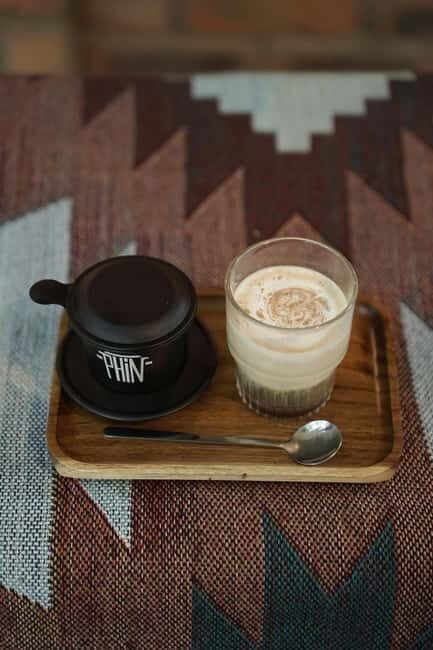
- Brew 4 Vietnamese icons: phin, egg coffee, salt coffee, and coconut coffee
- Robusta first: you start with the bean basics so the flavors make sense
- Small group vibe: capped at 8 participants for hands-on attention
- Take-home recipes: a handout comes with you so you can copy it later
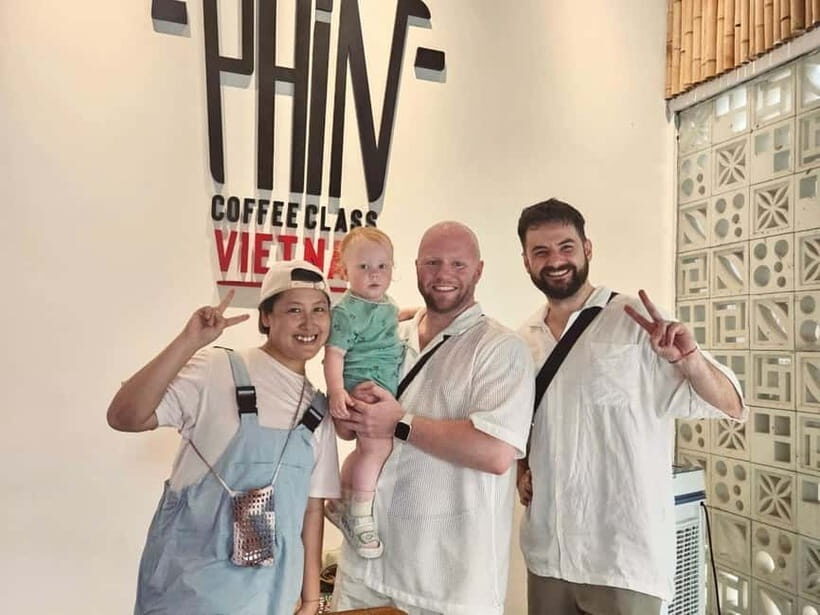
- Friendly English/Vietnamese hosting: with guides like Duck/Uyen, Daisy, and Annie
Where the class starts on Hoàng Quốc Việt Street

This workshop meets in a small alley near Hoàng Quốc Việt Street. Look for alley number 1, then walk about 50 meters until you see the Huế Experience signboard.
Practical tip: arrive a few minutes early. Coffee workshops move fast, and you’ll want time to settle in before the brewing starts—especially because you’ll be tasting multiple drinks in one session.
The class itself is in the center of Hue, so it’s a great add-on when you want a focused indoor activity that still feels local and personal.
If you're still narrowing it down, here are other tours in Hue Vietnam we've reviewed.



Vietnamese robusta and the phin filter: why this workshop clicks
Hue’s Vietnamese coffee culture is built on one main idea: go bold. You’ll begin with an introduction to robusta beans, which is key because Vietnam’s coffee scene is not built around the same lighter styles you might be used to.
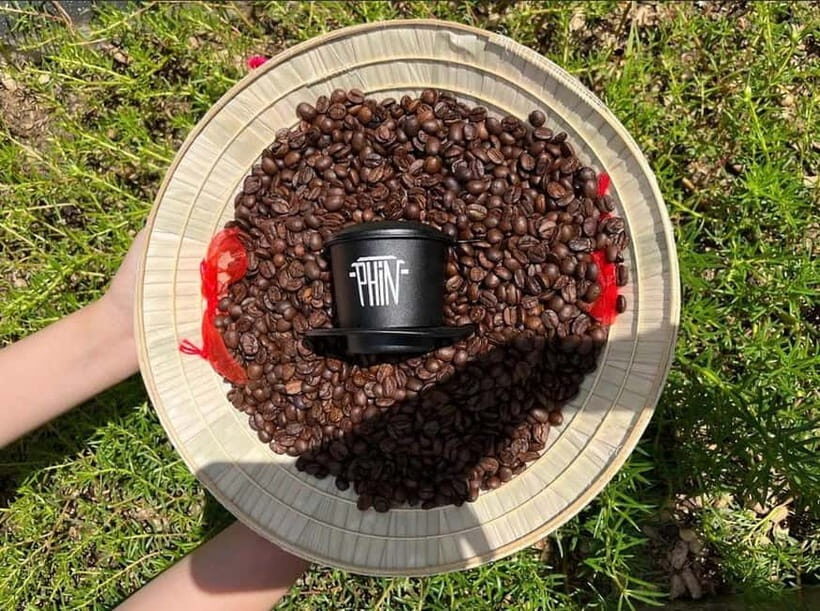
Then you move into the phin filter—the classic metal brewer that’s simple but not automatic. Instead of a quick machine pour, the phin forces you to pay attention: grind, dose, heat, and flow rate all affect what lands in your cup.
That’s why this class works even if you’re only a casual coffee person. You aren’t just learning recipes. You’re learning cause-and-effect—how changing one element shifts bitterness, sweetness, and body.
The 90-minute flow: what you’ll do from start to finish
The workshop runs 90 minutes, and the rhythm is built around three stages:
First, you get the foundation: robusta basics and how the phin works. That’s your mental map.
Next comes the hands-on part: you brew and taste the different styles—phin coffee, then the egg, salt, and coconut variations. You’ll use traditional phin filters and the robusta beans provided, along with all the ingredients and tools for the recipes.
Finally, you compare flavors and enjoy the coffee tasting of everything you prepared. You also get a recipe handout so you can recreate the drinks later.
Small group matters here. With a limit of 8 participants, you’re not stuck waiting your turn, and you’re more likely to get real help from the host when something doesn’t go right.
Brewing your baseline: classic phin coffee
Your first brews set the baseline. This is the part that helps the egg, salt, and coconut coffees make sense later.
When you brew classic phin coffee, you’ll see how robusta’s flavor shows up on its own: deeper, stronger, and often more intense than many people expect. It’s the reference point you’ll compare against the other styles.
If you like learning by tasting, this sequence is smart. Once you’ve tasted the plain phin brew, you’re better able to notice what each variation adds—creamy texture, salty balance, or coconut sweetness.
Egg coffee: learning how richness changes the cup
Egg coffee is one of Vietnam’s most recognizable twists, and in this workshop it’s not treated like a gimmick. You’ll learn the recipe and brew your own version.
Here’s what to focus on during the taste: egg coffee typically feels smoother and richer than plain coffee, so your job is to notice texture as much as flavor. The egg-based component changes the mouthfeel, which can make robusta taste less harsh and more rounded.
I like this part because it teaches a useful lesson: you can keep a strong bean and still shift the drinking experience. You’re not stuck with bitterness only; you can build a new profile with the right ingredients.






Salt coffee: the surprise flavor balance
Salt coffee sounds odd until you try it. In the class, you’ll make and taste it, guided step-by-step by the host.
What matters most is the balance. Salt can bring out sweetness and sharpen flavors, and it can also make the coffee taste more dimensional instead of just heavy.
When you taste the salt coffee, don’t rush. Take a slow sip and pay attention to how the flavor hits—first impression, then the aftertaste. That’s where the trick lives.
This is also a great option if you want to understand why Vietnamese coffee drinks aren’t just copycat Western versions. Salt coffee is its own cultural idea about flavor structure.
Coconut coffee: tropical notes on top of robusta
Coconut coffee rounds out the set. You’ll learn the recipe and prepare it in your session.
This variation usually adds a different kind of sweetness and aroma compared to the plain phin. Think of it as the bridge between coffee bitterness and something softer and more fragrant.
If you’ve ever liked Vietnamese desserts or fruit-forward drinks, you’ll likely get why coconut works here. You’re still using robusta, but you’re changing the sensory direction—less sharpness, more aroma, and a more dessert-like finish.
One more practical note: coconut drinks can be polarizing. If you’re unsure, treat the taste like a comparison exercise. You’ve already got three reference points (phin, egg, salt), so coconut won’t feel random.
Who this class is best for in Hue
This workshop is a strong fit if you:
- love hands-on activities where you actually make the food or drink
- want a quick cultural experience that still feels practical
- enjoy comparing flavors and learning the why behind recipes
- travel with someone who isn’t a hardcore coffee person but will still have fun (this format works surprisingly well)
It’s also a nice rainy-day plan. The class stays indoor, cozy, and focused, and you still get a local flavor experience without needing a big walking day.
If you’re traveling as a couple or even solo, the small group setup can feel more relaxed. Some sessions may be very intimate depending on bookings, which usually makes Q&A easier and the tasting more comfortable.
Price and value: is $18 worth it?
At $18 per person for 90 minutes, the value mostly comes from what’s included:
- Tools and ingredients for all four recipes (phin, egg, salt, coconut)
- Traditional phin filters and robusta beans
- Coffee tasting of everything you prepare
- A recipe handout to take home
- A small group limit of 8
- An English-speaking local host
- Complimentary drinking water
For this price, you’re not paying just for someone to explain. You’re paying for materials, guidance during brewing, and a structured tasting. That’s the difference between a “presentation” and a real workshop.
If you want a memorable Hue experience that gives you something you can recreate, the recipe handout plus the phin method are the big payoff. You’ll leave with both knowledge and usable skills.
Tips to get the best experience (without overthinking it)
Come mentally ready for coffee. This is not a light sip-and-sample class. You’ll brew and taste multiple drinks, so plan your schedule accordingly.
A few habits that make the session smoother:
- If you’re sensitive to caffeine, pace yourself during the tasting.
- Bring curiosity, not just a coffee order preference. The fun is in comparing four styles.
- Use the recipe handout right away after the class while your memory is fresh.
And don’t skip the conversation. The host format is part of the experience, with guides bringing humor and explaining the coffee culture behind the drinks.
Should you book Hue Brew Egg, Salt & Coconut Coffee?
Book it if you want a hands-on, local-feeling Hue activity that goes beyond drinking coffee. The combination of phin brewing, robusta-focused basics, and four distinct recipes (egg, salt, coconut) is exactly the kind of practical cultural activity that sticks after you leave.
Skip it or reconsider if you:
- don’t drink coffee and caffeine is an issue for you
- prefer tasting only one drink rather than multiple styles in one sitting
If you’re on the fence, I’d choose this when you want a focused indoor activity with real participation—and when you like the idea of taking home recipes you can actually use.
FAQ
What coffee styles are included in the workshop?
You’ll brew and taste phin coffee, egg coffee, salt coffee, and coconut coffee.
How long does the Hue coffee workshop last?
The workshop duration is 90 minutes.
How much does it cost per person?
The price is $18 per person.
Is the group size small?
Yes. It’s a small group limited to 8 participants.
What languages are the instructor or host available in?
The local host/instructor speaks English and Vietnamese.
Can I get a full refund if my plans change?
Yes. You can cancel up to 24 hours in advance for a full refund.