REVIEW · HUE
Half- Dmz (demilitarized Zone) Tour From Hue
Book on Viator →Operated by Dmz Private Tour · Bookable on Viator
One of Vietnam’s most emotional drives starts in Hue. This Half-DMZ day moves you from the comfort of a private car to the former border zone, with a guide who explains what you’re seeing and why it mattered. I especially like that you get hotel pickup and smooth round-trip transfers, and that the main sights come with entrance fees handled. The one thing to plan for is that it’s a long day on the road, and food isn’t included, so you’ll want to handle meals on your own.
If you’re trying to understand the Vietnam War beyond photos, this route does it the practical way: you see the places, then you get the story tied to them. The highlight for me is how the day balances above-ground sites (like the Highway of Horror and the river at the DMZ line) with the underground world of the Vinh Moc Tunnels. One possible drawback: parts of the tour involve going to sites where you’ll still need to pay for museum tickets and the tunnel ticket, even though entrance fees are included.
In This Review
- Key Points Before You Go
- From Hue to the DMZ: comfort, timing, and what 6 hours really means
- Highway of Horror: the road that tells the war’s story
- Long Hung Church: why religious places get pulled into war history
- Doc Mieu Base: seeing how strategy meets geography
- Ben Hai River and the Hien Luong Bridge: the DMZ line you can picture
- Cua Tung Beach: a rare break in the day’s emotional tone
- Vinh Moc Tunnels: civilian shelter built into the war’s shadow
- Price and value: what $59 buys you (and what it doesn’t)
- Who this tour fits best (and who should think twice)
- Should you book the Half-DMZ tour from Hue?
- FAQ
- How long is the Half-DMZ tour from Hue?
- What pickup times are available in Hue?
- Does the tour include hotel pickup and drop-off?
- What sites does the tour visit?
- Are entrance fees and tunnel/museum tickets included?
- Is the tour private and how does cancellation work?
Key Points Before You Go

- Private car with driver: You stay comfortable on the drive, with fuel, tolls, parking, and bottled water included.
- English-speaking guide: You don’t just look around; you get explanations designed to make the history click.
- Most major DMZ stops in one day: Highway of Horror, Long Hung Church, Doc Mieu Base, Ben Hai River, Cua Tung Beach, and Vinh Moc Tunnels.
- Entrance fees included, but not everything: Museum tickets and the tunnel ticket are not included, so budget a little extra.
- Pick-up options in the morning: Choose an 8:00am (suggested) start, or 9:00am/10:00am, then ride back to Hue.
From Hue to the DMZ: comfort, timing, and what 6 hours really means
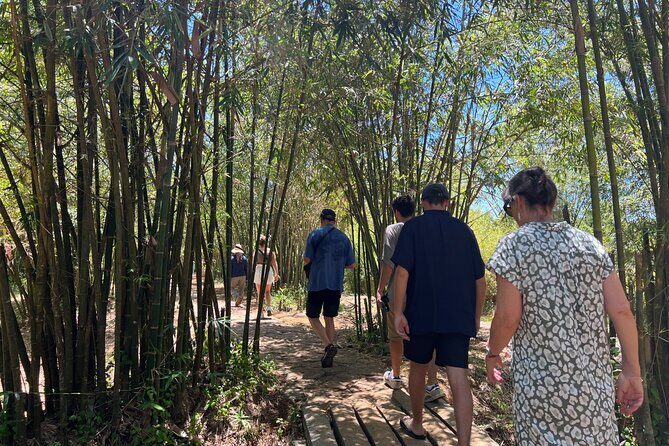
This tour starts in Hue and runs about 6 hours total. You’ll choose your pickup time in the morning—8:00am is suggested, with 9:00am or 10:00am also available—so you can match it to how your day is already planned. The big advantage is that you’re not arranging anything on the fly: hotel pickup and drop-off are included, and you ride in a private vehicle with a professional driver.
Expect a solid stretch of road time before you’re in the DMZ. That can sound like a drawback until you remember what the route is doing. You’re heading toward a former border zone where distances between sites matter, and the drive helps you shift from vacation mode into “this is real life history” mode. I like that the ride is handled in a way that keeps you rested instead of rushed—especially when you’re going to spend the rest of the day walking, reading signs, and listening.
The tour also includes a private English-speaking guide, which changes everything. Without that, you can end up standing in front of historical places and guessing. With the guide, you’ll get the context for things like the DMZ’s purpose and what the war looked like for civilians.
Other DMZ and Vinh Moc Tunnels tours from Hue
Highway of Horror: the road that tells the war’s story
The day includes a stop at the Highway of Horror—one of the most discussed parts of Vietnam’s wartime landscape. You’ll be seeing it as a place, not just a headline. That matters because a road is more than a route; it’s where movement, supply, and fear all collide.
Here’s what to pay attention to on this stop:
- Think about how highways functioned during conflict: getting people and goods from one place to another.
- Watch for how the site is framed—your guide’s job is to connect the physical remains and setting to the wartime reality.
- Give yourself time to absorb rather than rushing to the next photo spot.
This is the kind of stop that can feel heavy, so I recommend going in with a steady mindset. You don’t need to be a war-history expert. You just need to be ready to see how decisions made far away hit people right where they lived.
Long Hung Church: why religious places get pulled into war history
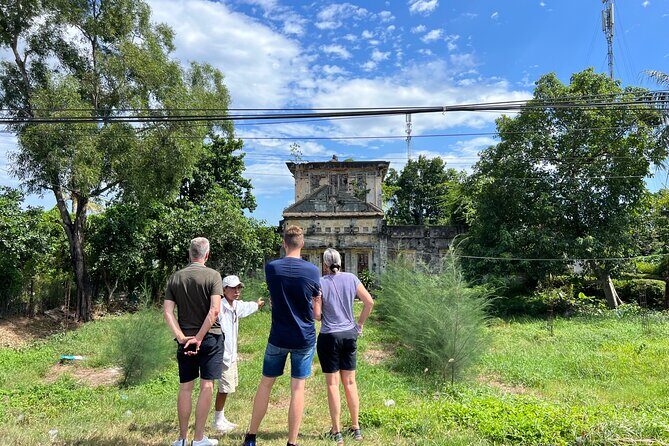
Next up is Long Hung Church. On the surface, it’s a church stop—something that can easily become a quick photo pause. On this route, it’s used for a bigger reason: wartime conflict rarely stays confined to battle lines. It affects communities, routines, and everyday places people rely on.
What you’ll likely get from your guide here is the human side of what the war did to normal life. Even if you’re not especially religious, churches often act like community anchors. When the history of a war touches those anchors, it changes the meaning of the site.
Practical tip: plan for quiet attention. This stop works best when you’re listening closely rather than multitasking.
Doc Mieu Base: seeing how strategy meets geography
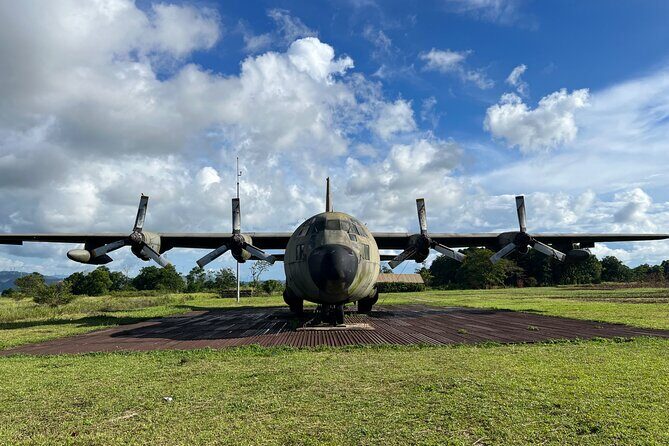
The tour also takes you to the Doc Mieu Base. Base sites can feel abstract if you’re only looking at structures. But when you have an English-speaking guide who explains what you’re looking at, it becomes easier to understand why this location mattered.
What makes a stop like Doc Mieu useful on a day tour is that it adds layers:
- It connects the DMZ story to how the conflict operated on the ground.
- It helps you move from big themes (borders, conflict) to specific, place-based decisions.
If you like history that’s anchored to the real world—where terrain, routes, and distance matter—this is a good stop. And if you don’t, it still works because your guide can translate the why into clear, understandable points.
Ben Hai River and the Hien Luong Bridge: the DMZ line you can picture
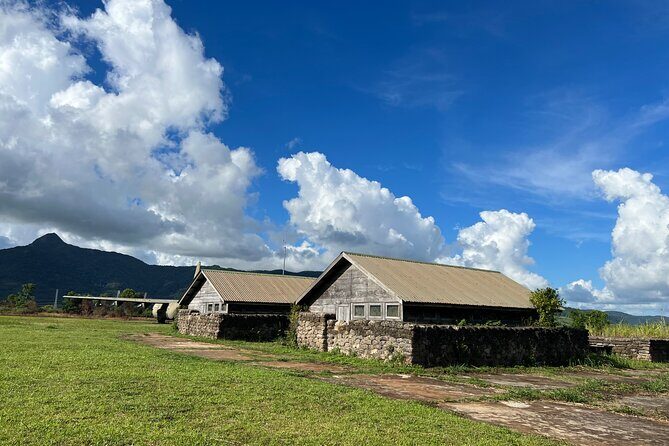
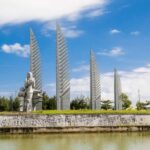
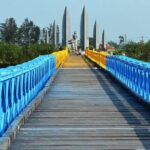
This portion of the tour centers on the Ben Hai River – Hien Luong Bridge, and it’s one of the most important conceptual stops of the day. The DMZ is the area around the former border between North and South Vietnam, and standing at a river-and-bridge crossing is a direct way to grasp how borders are enforced and experienced.
Your guide should help you connect three things:
- Why a border zone existed in the first place
- How rivers and crossings shape movement and control
- What it means when the boundary is not just a line on a map, but a lived reality
A nice thing about this stop is that it’s also visually readable. You can look at the river and bridge setup and get a sense of scale fast. That makes it a strong “anchor point” for the rest of the day.
- Easy Rider private tour via Hai Van pass from Hue – Da Nang – Hoi An (1Way|Loop)
★ 5.0 · 1,542 reviews



Cua Tung Beach: a rare break in the day’s emotional tone
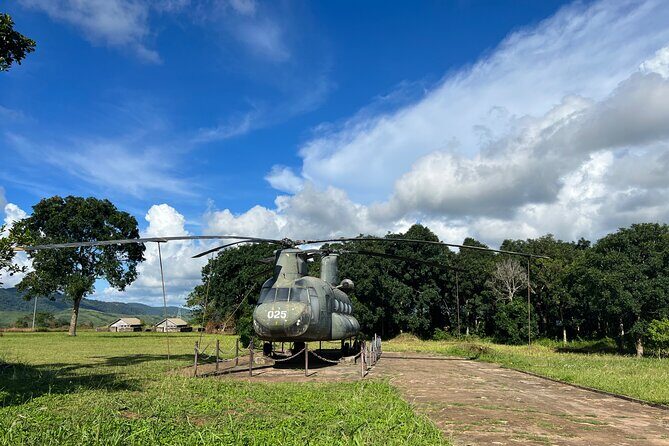
Between the heavier historical sites, the tour includes Cua Tung Beach. It’s located in Vinh Linh District, Quang Tri Province. Even though it’s not described as long or wide, it’s known for its sparkling green water and silky sand, plus breezes that show up through the year.
This isn’t included just to stretch legs. It’s a change of pace that matters. After the intensity of DMZ history, having a beach stop gives you a reset so the day doesn’t become one long wall of information.
That said, it’s still a stop you should treat as part of the story. War history affects the places people return to afterward. A quick seaside moment can help you feel that continuity, even if only for a short time.
Vinh Moc Tunnels: civilian shelter built into the war’s shadow
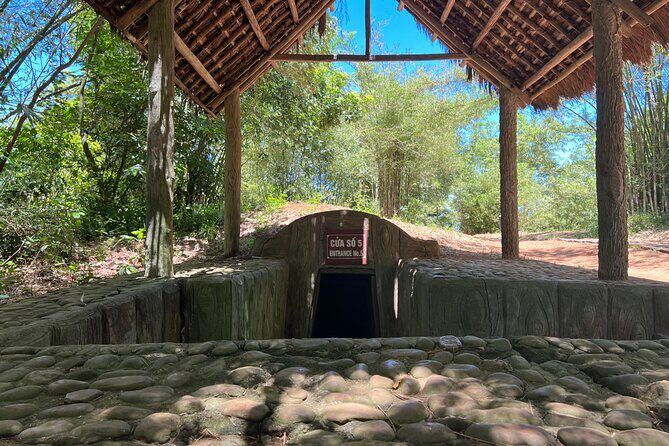
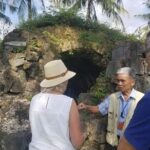
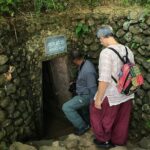
If you’re deciding what will stick with you after the day ends, it’s usually the Vinh Moc Tunnels. The tunnels were built in three levels at depths of 12, 15, and 23 meters, and construction took 13 months. The scale is one thing, but the story is the real shocker: 300 people lived intermittently there between 1966 and 1971, and 62 families made it home at different times. There were also 17 babies born underground during that period.
This stop is where your guide earns their fee. Tunnel sites can become overwhelming if you only know the basics. With explanation, you understand what the tunnels meant day-to-day: shelter, survival, and the reality that war wasn’t only fought by soldiers.
One important practical note: the tunnel ticket is not included. Entrance fees for the tour are included, but you should still plan to pay separately for tunnel access (and museum tickets too, if the stop includes museum areas). It’s worth the extra cost, but it’s better to know up front.
When you visit, watch for details in the layout—levels, entrances, and how space was used. Even without technical knowledge, you’ll get the pattern: this wasn’t a simple hideout. It was a functioning home under impossible circumstances.
Price and value: what $59 buys you (and what it doesn’t)
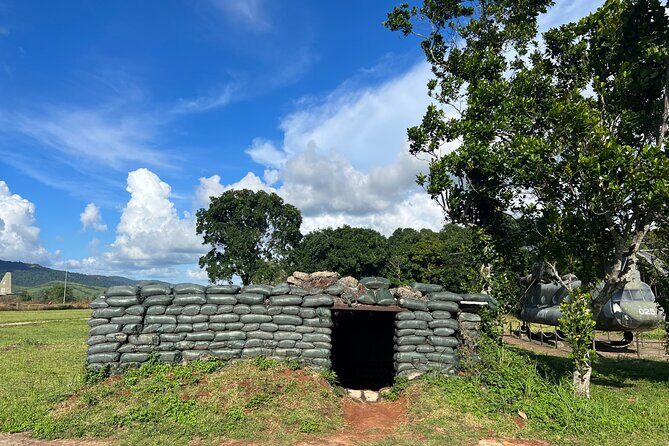
The price is $59.00 per person. For that, you’re paying for more than a vehicle rental. You’re getting:
- Hotel pickup and drop-off
- A private car with driver, including fuel, tolls, parking fees, and bottled water
- A private English-speaking guide
- Entrance fees are included
That combination is where the value usually comes from. In many parts of Vietnam, trying to DIY a DMZ day can turn into expensive taxis plus gaps in language and context. Here, you’re buying a full day package designed for one thing: getting you safely between key sites with explanations that make sense.
What’s not included is also clear, and you should factor it into your budget:
- Food and drinks
- Lunch
- Museum tickets
- Tunnel ticket
So the smart move is to treat this as a history-focused day tour where you handle meals separately. If you hate searching for lunch mid-journey, you’ll want to either eat before pickup or plan your meal after you return.
Who this tour fits best (and who should think twice)
This tour is a great fit if you want a structured DMZ day without the stress of planning. It’s also a strong choice if you care about understanding history with context. The English-speaking guide is what helps the stops connect into one story rather than a checklist of locations.
It’s especially good for:
- First-time visitors to the Hue area who want war-history context beyond the usual sights
- People who like historical locations explained by a real person, not just signs
- Anyone who finds the idea of civilian life under bombardment compelling (Vinh Moc is the main reason)
It might be less ideal if:
- You’re expecting a relaxing, light schedule. This is emotionally heavy, and the day includes multiple significant stops.
- You don’t want to pay extra for museum and tunnel tickets.
- Long car time is your enemy. It’s about 6 hours, and you’ll spend part of that in transit.
Should you book the Half-DMZ tour from Hue?
Book it if you want a DMZ day that’s organized, guided, and built around the major sites you actually came for—especially the Vinh Moc Tunnels. The mix of river border context, wartime sites, and a beach reset keeps the day from being one-note.
Think twice if you’re only looking for quick photos or you want everything fully included without any extra ticket costs. Also, if you’re sensitive to heavy war themes, consider whether you’re in the right frame of mind for places like the Highway of Horror.
If you book, do it with one goal: show up curious and listen closely. This kind of tour works best when you treat it like a story told through places.
FAQ
How long is the Half-DMZ tour from Hue?
It runs for about 6 hours (approx.).
What pickup times are available in Hue?
You can choose 8:00am (suggested), 9:00am, or 10:00am. You’ll need to share your pickup location and desired departure time when booking.
Does the tour include hotel pickup and drop-off?
Yes. Hotel pickup and drop-off are included.
What sites does the tour visit?
The tour includes stops at the Highway of Horror, Long Hung Church, Doc Mieu Base, Ben Hai River – Hien Luong Bridge (DMZ), Cua Tung Beach, and the Vinh Moc Tunnels.
Are entrance fees and tunnel/museum tickets included?
Entrance fees are included, but museum tickets and the tunnel ticket are not included.
Is the tour private and how does cancellation work?
It’s described as private, with only your group participating. There is free cancellation up to 24 hours in advance for a full refund, and the experience requires good weather. If canceled due to poor weather, you’ll be offered another date or a full refund.
You Might Also Enjoy


More Tours in Hue
- Easy Rider private tour via Hai Van pass from Hue – Da Nang – Hoi An (1Way|Loop)
★ 5.0 · 1,542 reviews
More Tour Reviews in Hue
- Easy Rider private tour via Hai Van pass from Hue – Da Nang – Hoi An (1Way|Loop)
★ 5.0 · 1,542 reviews