REVIEW · HUE
Hue Morning Countryside Motorbike Tour
Book on Viator →Operated by Vietland Adventures · Bookable on Viator
Riding through Hue’s countryside on a motorbike beats slow sightseeing. This 8:15 start takes you past rice fields, family temples, and village scenes while you get easy hotel pickup and a small group (max 8). I love the way the route builds in real local stops, not just photo pull-offs, and I especially like the Thanh Toan Covered Bridge stop that feels quietly historic. One thing to consider: this is a motorbike tour for about 4–4.5 hours, so if you’re sensitive to sitting on the bike for long stretches, you’ll want to think twice.
What I also like is the mix of everyday work and major sights. You’ll get hands-on moments like learning how a disabled conical hat maker (Ms. Thuy) makes hats and hearing her Vietnam War stories, then you shift gears to royal and wartime landmarks like a typical King Tomb, French and American bunkers on a hill (Bunker Hill area), and Thien Mu Pagoda. The drawback is simple: you’ll be traveling early, and while there are picture chances all along, the schedule is packed enough that you won’t have long, free time to wander on your own.
In This Review
- Quick Hits: Why This Hue Morning Ride Is Worth Your Time
- Starting at 8:00: Pickup, Safety Brief, and Getting Comfortable
- The Motorbike Ride Through Hue’s Countryside: The Real Point of This Tour
- Thanh Toan Village and Its Covered Bridge: A Quiet Hue Landmark
- Rice Farming, Markets, and Everyday Village Stops
- Traditional Farming Museum: Tools, Not Just Views
- Conical Hats and Ms. Thuy’s Story: Where the Day Gets Human
- King Tomb Visit: Royal Life from 1802 to 1945
- Incense Stick Crafting, Bunker Hill Photos, and Perfume River Panoramas
- Tiger Colosseum Relic and Thien Mu Pagoda: Two Strong Final Acts
- What $45 Buys You: Value, Inclusions, and How to Get the Most
- Group Size, Timing, and Practical Comfort Tips
- Who Should Book This Hue Morning Countryside Tour
- Should You Book This Hue Morning Countryside Tour?
- FAQ
- What time does the Hue morning countryside motorbike tour start?
- How long does the tour take?
- How big is the group?
- Do I get hotel pickup and drop-off?
- What’s included in the tour price?
- What is not included?
- Is there a mobile ticket?
- Is free cancellation available?
Quick Hits: Why This Hue Morning Ride Is Worth Your Time
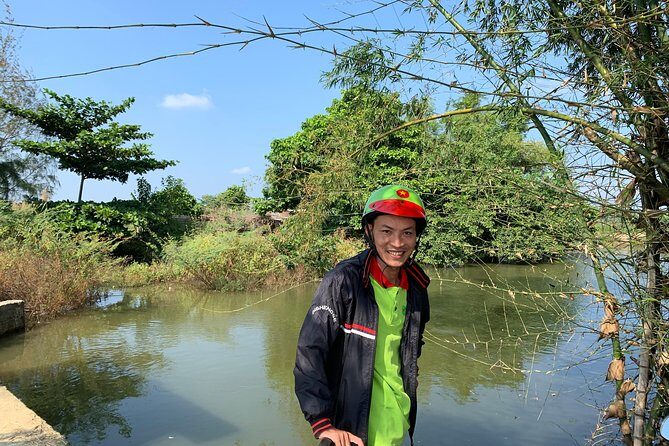
- Max 8 people keeps the ride personal and makes it easier to ask questions during stops.
- Hotel pickup and drop-off means you start and finish right where you’re staying in Hue.
- Covered Bridge at Thanh Toan Village is a standout photo stop tied to old village life.
- Hands-on conical hat making with Ms. Thuy adds a human, not staged, kind of history.
- Incense stick crafting and local markets show daily crafts and local food culture.
- Thien Mu Pagoda plus the Relic Car gives you both a spiritual landmark and a 1963 memorial site.
Starting at 8:00: Pickup, Safety Brief, and Getting Comfortable
The tour begins with an 8:00 am meeting at your hotel in the city center area, where the team helps you get set up. You’ll get a safety briefing first, plus demonstrations on how to sit safely on the motorbikes. Even if you’ve ridden before, it’s worth paying attention—small habits make the whole morning feel calmer.
At 8:15 am, the motorbike portion starts. The early timing matters here: you get moving while the day is still fresh, and you’re more likely to enjoy quieter village roads and countryside views before the city heats up. You’ll also have a helmet and get water, coffee, and wet tissue, which sounds basic, but it helps you stay comfortable without needing to hunt for snacks right away.
Dress is smart casual. That usually means breathable clothes for warm weather and closed-toe shoes that won’t slip. If rain is possible, you’re covered too: there’s a rain poncho provided if needed.
Other motorbike and scooter tours in Hue


The Motorbike Ride Through Hue’s Countryside: The Real Point of This Tour
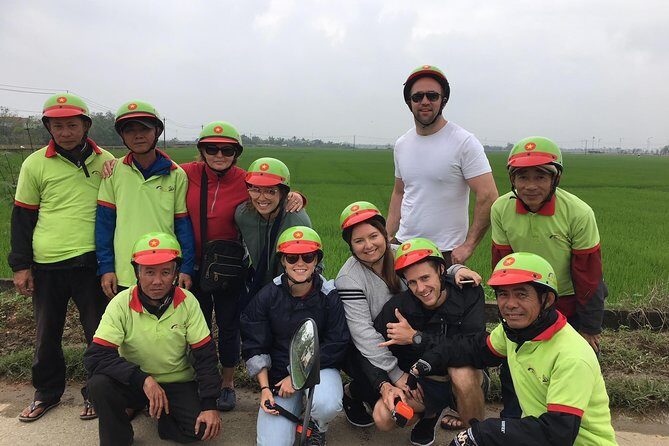
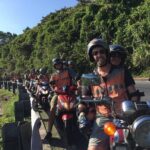
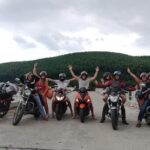
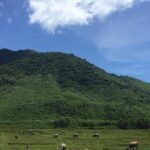
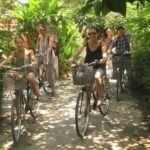
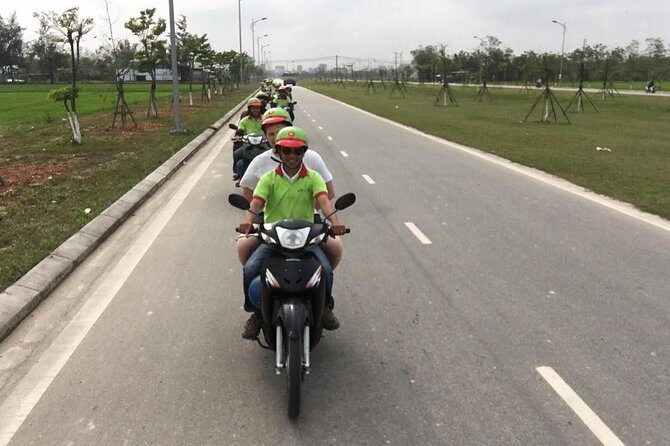
The big idea is simple: you travel by motorbike to avoid heavy city traffic and see Hue from the roads locals actually use. On this kind of route, the countryside doesn’t feel like a distant postcard. It feels close and lived-in—rice fields, farm tools, family temples, and the rhythms of everyday village life.
You’ll have regular picture breaks, including views like farmers working in rice fields and big stacks of rice at local houses. The tour also builds in small moments that add up: buffalos grazing, village structures you’d normally just pass by, and local market scenes that show how people shop and move through the day.
One practical note: this is not a hop-on, hop-off style day. The charm comes from staying in the flow—riding, stopping, learning, and moving on—so keep your expectations matched to a guided schedule.
Thanh Toan Village and Its Covered Bridge: A Quiet Hue Landmark
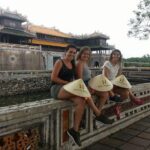
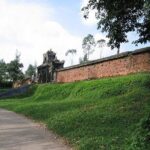
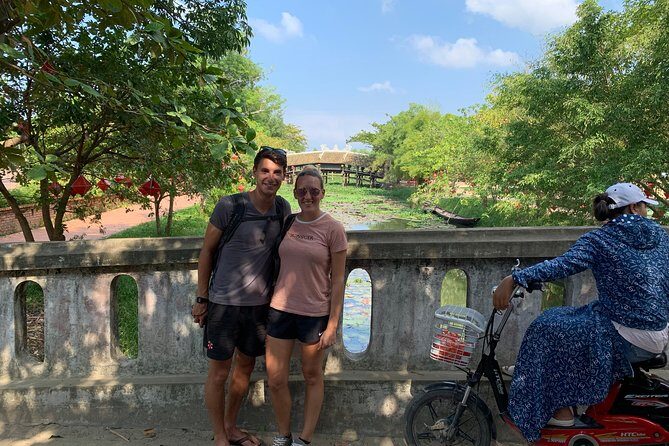
One of your first major stops in the village area is at Thanh Toan Village, where you’ll take pictures of its Covered Bridge. The tour frames it as the oldest covered bridge in the city, and that matters because it helps you see it as more than a pretty shape. It’s a working piece of heritage—something tied to how people moved through village life long ago.
The surrounding area also helps your photos. You’re there early in the morning, which often gives you softer light and less glare for shooting. And since the tour keeps moving after this stop, you don’t end up stuck in a long queue or short, overcrowded photo window.
If you like architecture, you’ll likely enjoy seeing how the covered design supports a practical purpose while still looking distinctive. If you mostly care about people and daily life, this stop still works because it anchors the day with a sense of place.
Rice Farming, Markets, and Everyday Village Stops
After you start riding into the rural stretch, you’ll encounter a mix of scenes that feel like the backbone of Hue’s countryside. The tour specifically calls out photo moments such as:
- farmers in rice fields
- rice stacks at local homes
- family temples along the way
- buffalos
- local market visits
This is exactly where motorbike touring earns its keep. When you’re riding at a human pace (not stuck in a bus lane), you notice details: how far apart homes sit, how fields connect to paths, and how daily life creates its own mini-landmarks.
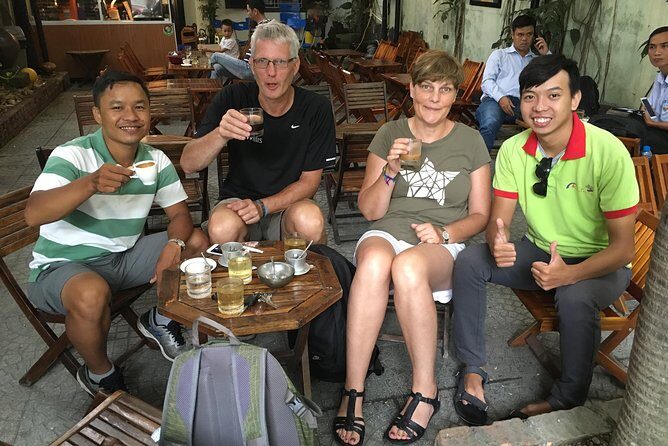
The market component is especially valuable if you’re trying to understand what people actually eat and buy in the morning. You don’t need to be a foodie to enjoy it. Even if you just watch how vendors set up and how locals move through the space, it adds context for the rest of the day’s stops.
Don’t worry—you’re not left standing around without explanation. The tour includes an English guide licensed for guiding, so you can ask what you’re seeing rather than guessing.
Traditional Farming Museum: Tools, Not Just Views
Next comes the Traditional Farming Museum, where you’ll learn more about the traditional tools of rice farmers in Vietnam. This is one of those stops that makes the countryside scenes make more sense. Seeing rice fields is one thing. Understanding the tools and effort behind them is what turns the photos into knowledge.
For practical travelers, this kind of stop also helps you balance the day. You get a break from riding, and you can shift from chasing views to focusing on how people work. It’s also a good moment for slower questions from your guide—because once you get back on the bike, everything speeds up again.
If you enjoy learning-by-looking—especially at objects and everyday technology—this is a strong match for you.
Other countryside and village tours in Hue



Conical Hats and Ms. Thuy’s Story: Where the Day Gets Human
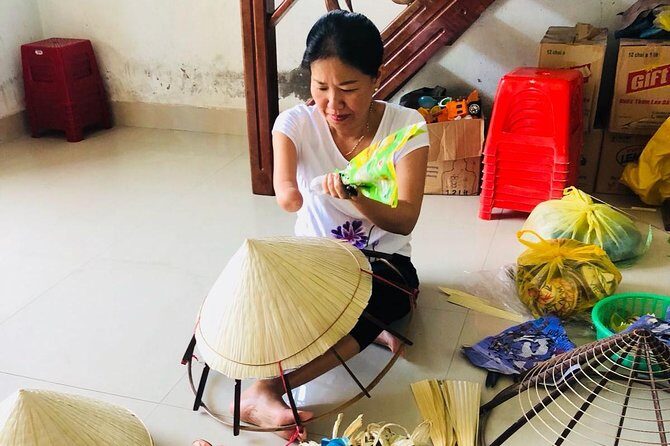
The tour continues to a local family visit and a stop with a conical hat maker, Ms. Thuy. She’s described as a disabled conical hat maker, and she was born during the Vietnam War. On this stop, you’ll learn how to make a Vietnamese conical hat and hear her war-related stories.
This is the kind of experience that can change how you see the rest of the itinerary. Up to this point, you’re gathering scenery and cultural landmarks. Here, you’re meeting someone with lived experience—someone who can connect craft and history in a personal way.
And it’s not just listening. You get a practical learning moment, which makes the hat feel more than a souvenir. Even if your first attempts are clumsy, the value is in being shown the steps and watching how someone adapted her craft through difficult circumstances.
If you’re the type who likes respectful conversation, bring curiosity. The tone here matters. You’re not just collecting facts; you’re learning through a real person.
King Tomb Visit: Royal Life from 1802 to 1945
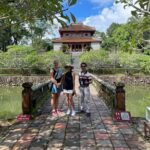
After the village and craft stop, the tour goes to a typical King Tomb, introduced with context about the royal life of the Nguyen Kings from 1802–1945. This isn’t presented as a long history lecture. It’s aimed at giving you a clearer map of why these tombs and monuments matter in Hue.
Why this is worth it: Hue’s royal story isn’t separate from the countryside story. The region’s landscape, traditions, and power centers all connect. Even if you’re not a museum-history person, a guided visit helps you avoid the most common problem—wandering around without knowing what you’re looking at.
This stop also breaks up the day so you’re not only dealing with markets and workshops. After riding and village stops, the tomb gives you a different pace: quieter, more structured, and more about meaning than movement.
Incense Stick Crafting, Bunker Hill Photos, and Perfume River Panoramas
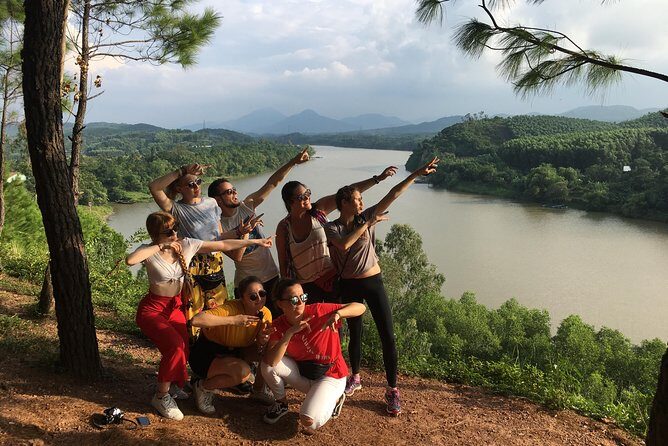
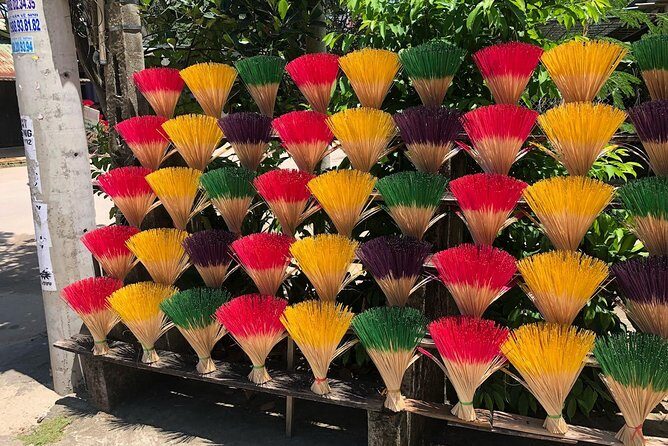
The tour includes stops at multiple favorite attractions along the way, including an incense stick crafting village and photo opportunities at French and American bunkers on a hill—called out as Bunker Hill—and a Perfume River’s Panorama stop.
These three elements work well together:
- Incense crafting shows a craft you can almost smell in your memory, even if you didn’t grow up with it.
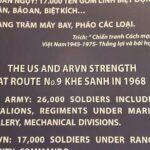
- The bunkers give you a stark sense of the war era in Hue and why certain locations carry strong historical weight.
- The Perfume River panorama acts like a visual reset, bringing you back to the geography that frames a lot of Hue’s identity.
The big advantage here is that you’re not choosing between them. You get a balanced set of culture, craft, war history, and scenery within a single morning ride. That balance is exactly why people book this type of tour instead of piecing it together solo.
A quick photo tip: bunkers and hills can have uneven footing. Wear shoes with grip and take your time getting into position.
Tiger Colosseum Relic and Thien Mu Pagoda: Two Strong Final Acts
Your last major stretch combines a relic site with one of Hue’s most famous spiritual landmarks.
First is a visit to Tiger Colosseum Relic, described as similar to the Rome Colosseum. The comparison helps set expectations: you’re looking at a large, monumental structure tied to history and cultural symbolism. Even if you can’t compare sizes perfectly, the guided context helps you understand what you’re seeing and why it’s significant locally.
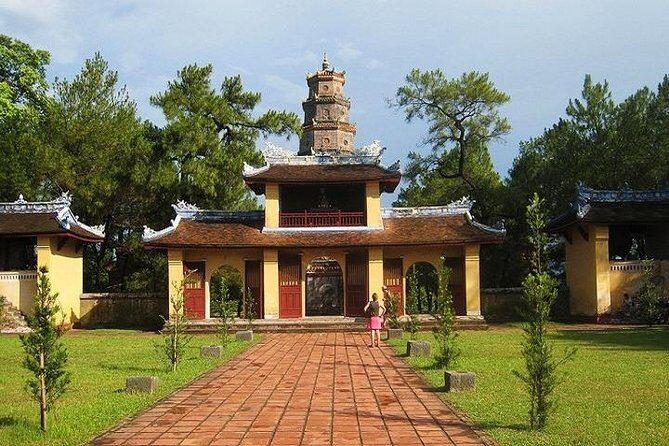
Then you reach Thien Mu Pagoda, plus a Relic Car that honors the monk who burned himself in 1963 to protect against the South Vietnam Government. That memorial detail makes the site heavier than a simple sightseeing stop. It’s also why guidance matters: a good explanation keeps you from turning a serious memorial into just another photo moment.
If you’re planning your day around meaning, this is where the tour closes well. You end with a major landmark that’s both visually memorable and emotionally loaded, and you’ve already spent the morning connecting that feeling to local craft, village life, and Hue’s layered history.
After that, you ride back to the hotel where you started.
What $45 Buys You: Value, Inclusions, and How to Get the Most
The price is $45 per person, and the value here comes from what’s bundled, not just the sightseeing. Your day includes:
- a motorbike with driver and fuel
- a high-quality helmet
- a licensed English tour guide
- accident insurance
- free city pickup and drop-off from your Hue hotel
- bottle of water, coffee, and wet tissue
- a rain poncho if needed
You’re also getting structure: the timing is set (8:00 meeting, 8:15 ride, about 4–4.5 hours total) and the route is tight enough that you won’t waste time figuring out how to connect villages, pagodas, and relic sites.
What’s not included: tipping for the guide and drivers, plus personal expenses. That’s worth budgeting for. In a service setup like this, tipping is part of the real-world cost.
If you want the best experience, arrive at the meeting point ready for a motorbike morning. Eat breakfast before you go, because the included refreshments cover comfort but not a full meal. Also keep your phone charged if you’re doing lots of photos—your “photo breaks” will come fast.
Group Size, Timing, and Practical Comfort Tips
This is a maximum 8 travelers tour, and that matters more than it sounds. Smaller groups usually mean fewer rushed photo moments, more room to ask questions, and less time waiting around when the route changes.
Timing-wise, it’s a morning tour. That’s great if you like starting early and want the rest of your day in Hue free for wandering. It’s not ideal if you hate early starts or if you prefer long, unstructured afternoons. You’ll be done within half a day.
Also, the tour notes that most people can participate. Children must be accompanied by an adult, and service animals are allowed. Dress is smart casual.
If you’re unsure about riding comfort, think about your tolerance for sitting upright and holding on for extended stretches. The tour provides helmets, but it can’t change the basic fact: you’re on a motorbike for much of the day’s distance.
Who Should Book This Hue Morning Countryside Tour
This one fits best if you:
- want a countryside experience without the stress of planning routes
- enjoy photography but also want explanations, not just stops
- like hands-on craft moments and real local stories
- prefer a smaller group for a friendlier pace
It may not be ideal if you:
- strongly dislike motorbikes or get uncomfortable riding for 4–4.5 hours
- need lots of free time for solo wandering during the day
If you’re visiting Hue for only a short stay, this tour can give you a lot of variety quickly: villages, crafts, rural visuals, royal and wartime landmarks, and Thien Mu Pagoda.
Should You Book This Hue Morning Countryside Tour?
Yes, if you want Hue in one morning with pickup, guidance, and a motorbike route designed to skip the worst traffic. The value is strong for the included logistics, and the mix of village life, craft learning with Ms. Thuy, and major sights like Thien Mu Pagoda makes it more than a “pretty ride.”
I’d book it with a clear expectation: it’s guided, timed, and active. If that matches your travel style, it’s the kind of tour that leaves you with both photos and context.
FAQ
What time does the Hue morning countryside motorbike tour start?
The meeting time is 8:00 am, and the motorbike tour begins at 8:15 am.
How long does the tour take?
The duration is approximately 4 hours to 4 hours 30 minutes.
How big is the group?
This is a maximum of 8 travelers.
Do I get hotel pickup and drop-off?
Yes. Free pick up and drop off in the city is included.
What’s included in the tour price?
It includes accident insurance, an English tour guide with license, motorbike with driver and fuel, a high-quality helmet, bottled water, coffee, wet tissue, and a rain poncho if needed.
What is not included?
Tipping for the tour guide and drivers, plus personal spending, is not included.
Is there a mobile ticket?
Yes, a mobile ticket is provided.
Is free cancellation available?
Yes, you can cancel up to 24 hours in advance for a full refund. Cancellation must be at least 24 hours before the experience start time to get a refund.
You Might Also Enjoy

More Tour Reviews in Hue
- Easy Rider private tour via Hai Van pass from Hue – Da Nang – Hoi An (1Way|Loop)
★ 5.0 · 1,542 reviews